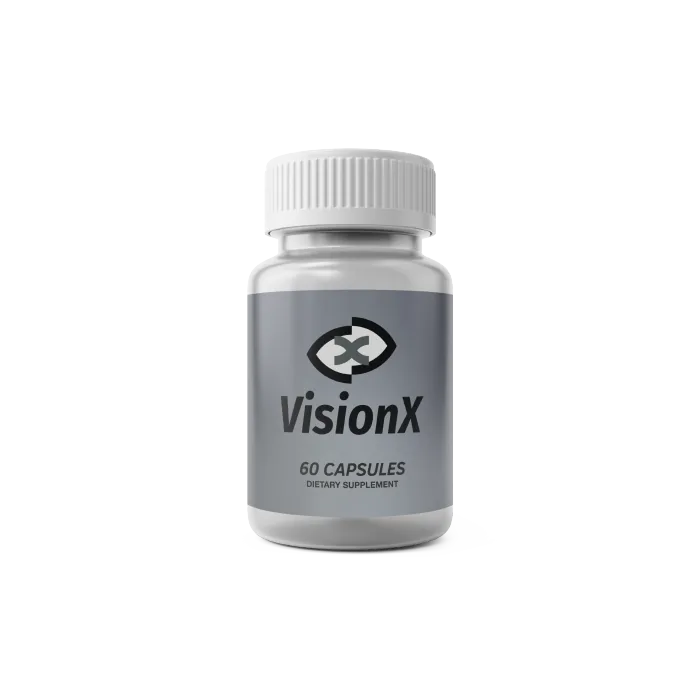
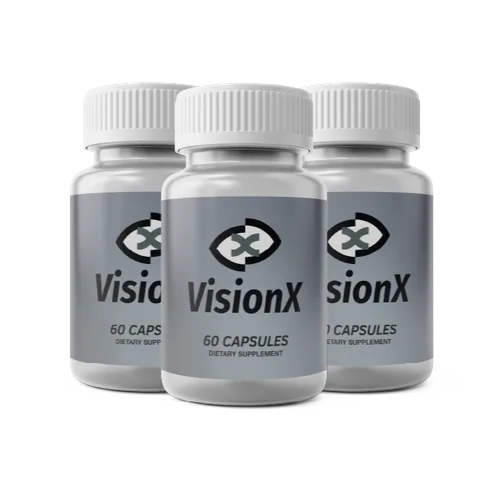
VisionX is built around the right family of nutrients: lutein, zeaxanthin, zinc and the antioxidant vitamins are the same ones used in the National Eye Institute's AREDS2 formula, and the order page adds bilberry and ginkgo. It is simple to take, sold as a one-time payment and backed by a 60-day guarantee. The catch is in the doses: the label on the brand's main page puts vitamins C and E, zinc and copper at about the Daily Value, far below the AREDS2 amounts, and keeps lutein and zeaxanthin inside a blend with no individual amounts. It suits adults who want a daily eye-nutrient routine alongside regular eye exams, not anyone hoping to stop wearing glasses.
What we like
- Ingredients chosen from the best-studied eye nutrients
- One capsule a day, easy routine
- One-time payment, no auto-shipments
- 60-day money-back guarantee with a phone line and returns address
Keep in mind
- Vitamin and zinc doses well below AREDS2; lutein and zeaxanthin amounts not disclosed
- "Clinically proven to boost vision" overstates the evidence
- Beta carotene is a concern for smokers and former smokers
- You pay return shipping on refunds
Check VisionX price on the official site →Opens the brand's official website · money-back guarantee
VisionX is also written as Vision X or Vision-X in searches and on some listings; it is the same product.
VisionX is a daily eye-health capsule marketed to adults who deal with tired eyes, screen strain and the feeling that their vision is not as sharp as it used to be. The official order page names eight nutrients: lutein and zeaxanthin, vitamin A (beta carotene), zinc, vitamin E, vitamin C, selenium, bilberry extract and ginkgo biloba. The FAQ says to take one capsule a day with water. It is sold only through buyvisionx.us, at $49 to $79 per bottle as a one-time payment, with a 60-day money-back guarantee. This review covers what each ingredient is known for, how the formula compares with the research benchmark, the price, the refund fine print and who should check with a doctor first.
First, what an eye supplement can and cannot do
Most blurry vision has nothing to do with nutrition. Nearsightedness, farsightedness, astigmatism and the reading trouble that starts in your 40s (presbyopia) are optical problems: the eye focuses light in the wrong place, and lenses or surgery fix that. No vitamin changes the shape of your eye or the flexibility of your lens.
Where nutrition does matter is the health of the retina, especially the macula, the small central area you use for reading and recognizing faces. Lutein and zeaxanthin collect there as a yellow pigment, and a large government trial showed that a specific vitamin-and-mineral formula slows one serious eye disease, age-related macular degeneration (AMD), in people who already have it at a certain stage. That is the realistic ceiling for a product like VisionX: support for eye tissues over time, not sharper vision next week.
And one rule before anything else: sudden blurry vision, flashes, a curtain over part of your sight, eye pain or a new blind spot are emergencies. See an eye doctor the same day.
What is inside VisionX?
The Supplement Facts label on the brand's main page lists seven vitamins and minerals with amounts per capsule, plus a 351 mg proprietary blend. Here are the label amounts next to what the research actually supports.
| Ingredient | Amount per serving | What research supports |
|---|---|---|
| Vitamin A (as beta carotene) | 450 mcg RAE (50% DV) | Essential for night vision when you are deficient, which is rare in the US. Beta carotene was removed from AREDS2 over lung cancer risk in smokers. |
| Vitamin C (as ascorbic acid) | 90 mg (100% DV) | Part of the AREDS2 formula, which used 500 mg a day. |
| Vitamin E (as DL-alpha tocopheryl acetate) | 15 mg (100% DV) | Part of the AREDS2 formula, which used 400 IU a day; 15 mg of this synthetic form is about 33 IU. |
| Zinc (as zinc oxide) | 11 mg (100% DV) | Part of the AREDS2 formula for intermediate AMD, which used 80 mg a day. |
| Selenium (as selenium AAC) | 20 mcg (100% DV) | An essential trace mineral; no trial shows a vision benefit on its own. |
| Copper (as copper gluconate) | 0.9 mg (100% DV) | Included in AREDS2 (2 mg) to prevent zinc-related copper deficiency. |
| Chromium (as chromium picolinate) | 15 mcg (43% DV) | Not an eye nutrient; we found no eye research for it. |
| Proprietary blend | 351 mg in total | Holds 14 ingredients: taurine, ginkgo, eyebright, grape seed extract, Coleus forskohlii, alpha lipoic acid, rutin, quercetin, bilberry, saffron, lycopene, lutein, zeaxanthin and astaxanthin. Individual amounts are not listed. |
| Lutein and zeaxanthin | Inside the 351 mg blend; amounts not listed | Part of the AREDS2 formula (10 mg lutein and 2 mg zeaxanthin a day); raise macular pigment. The strongest-evidence ingredients here, but the label does not say how much you get. |
| Bilberry extract | Inside the blend; amount not listed | The NCCIH says there is not enough evidence that bilberry helps eye conditions, including night vision. |
| Ginkgo biloba leaf | Inside the blend; amount not listed | Small studies in glaucoma; the NCCIH says evidence for eye conditions is limited. It can raise bleeding risk. |
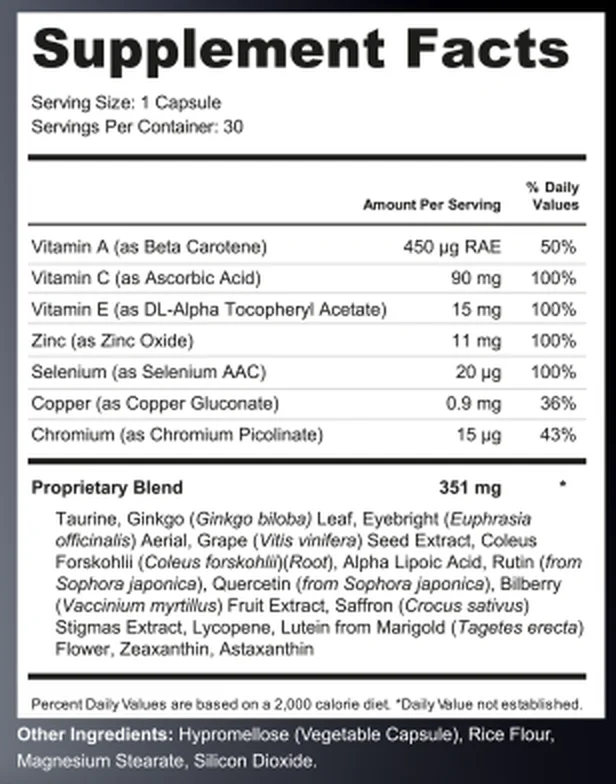
The label settles the dose question. The vitamins and minerals are at about the Daily Value, which is a fraction of the AREDS2 amounts: 90 mg of vitamin C against 500 mg, 11 mg of zinc against 80 mg. Lutein and zeaxanthin, the ingredients with the best eye evidence, sit inside a blend shared by 14 ingredients, so you cannot tell how much of them you get. The label also lists ingredients the order page does not mention, such as copper, chromium, taurine, eyebright, saffron and astaxanthin.
Every ingredient, up close
Here is every active ingredient on the label, what it actually is, and what research does and does not show.

Vitamin A (as beta carotene)
450 mcg RAE (50% DV)Beta carotene is the orange plant pigment the body turns into vitamin A, which the retina needs for night vision (pictured: carrots, a common food source of beta carotene). Deficiency is rare in the US, so extra rarely helps eyesight. It was removed from the AREDS2 formula because beta carotene supplements raise lung cancer risk in current and former smokers.
Photo: domdomegg / CC BY 4.0, via Wikimedia Commons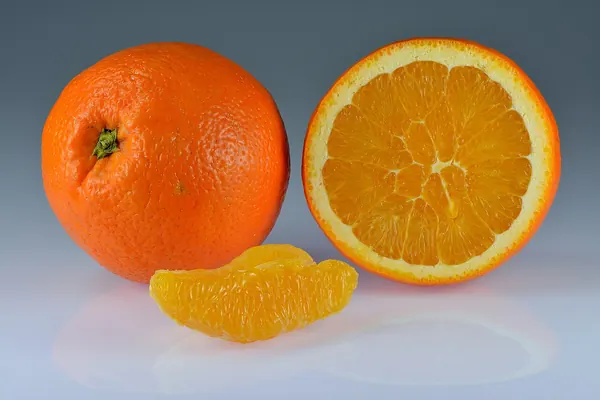
Vitamin C (as ascorbic acid)
90 mg (100% DV)A water-soluble antioxidant found in high amounts in the eye (pictured: oranges, a common food source of vitamin C). It is part of the AREDS2 formula, which used 500 mg a day; this label gives 90 mg, about a fifth of that.
Photo: Ivar Leidus / CC BY-SA 4.0, via Wikimedia Commons
Vitamin E (as DL-alpha tocopheryl acetate)
15 mg (100% DV)A fat-soluble antioxidant that protects cell membranes, including in the retina (pictured: almonds, a common food source of vitamin E). AREDS2 used 400 IU a day; 15 mg of this synthetic form is about 33 IU, a small fraction. Higher doses can add to bleeding risk with blood thinners.
Photo: Ivar Leidus / CC BY-SA 4.0, via Wikimedia Commons
Zinc (as zinc oxide)
11 mg (100% DV)An essential mineral concentrated in the retina and one of the key AREDS ingredients (pictured: pumpkin seeds, a common food source of zinc). The trial formula used 80 mg a day for people with intermediate AMD; this label gives 11 mg, the Daily Value, which is safer for long-term use but far from the studied dose.

Selenium (as selenium AAC)
20 mcg (100% DV)A trace mineral the body uses to make antioxidant enzymes (pictured: Brazil nuts, a common food source of selenium). No trial shows that selenium on its own benefits vision.
Photo: רנדום / CC BY-SA 3.0, via Wikimedia Commons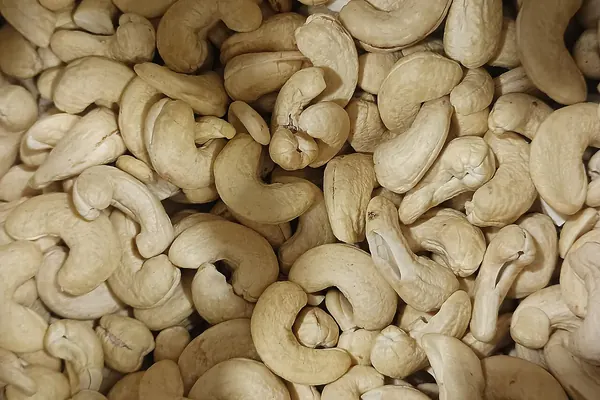
Copper (as copper gluconate)
0.9 mg (100% DV)An essential mineral included in AREDS2 at 2 mg only to prevent the copper deficiency that high-dose zinc can cause (pictured: cashews, a common food source of copper). With zinc at 11 mg, the copper here is a reasonable balance rather than an eye ingredient.
Photo: Ranjithkumar Murugesan / CC0, via Wikimedia Commons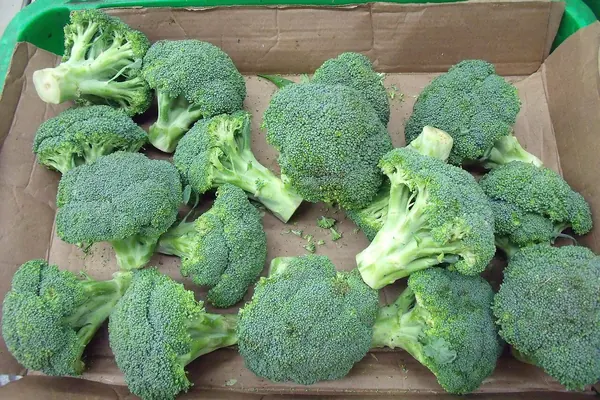
Chromium (as chromium picolinate)
15 mcg (43% DV)A trace mineral linked to blood sugar metabolism (pictured: broccoli, a common food source of chromium). It is not an eye nutrient, and we found no eye research for it.
Photo: David / Public domain, via Wikimedia Commons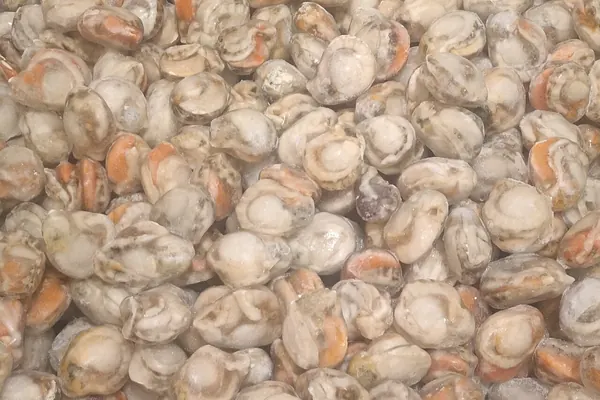
Taurine
In a 351 mg blend of 14 ingredients, amount not disclosedAn amino acid found in high concentrations in the retina, where it helps protect light-sensing cells (pictured: scallops, a common food source of taurine). Research on taurine supplements for vision in people is very limited.
Photo: François Nguyen / CC BY 2.0, via Wikimedia Commons
Ginkgo biloba leaf
In a 351 mg blend of 14 ingredients, amount not disclosedExtract from the leaves of one of the oldest tree species on Earth, studied for blood flow. A few small trials have looked at it in glaucoma, but NCCIH calls the evidence for eye conditions limited. Ginkgo may increase bleeding risk, especially with blood thinners, and should be stopped before surgery.
Photo: böhringer friedrich / CC BY-SA 2.5, via Wikimedia Commons
Eyebright
In a 351 mg blend of 14 ingredients, amount not disclosedA small meadow plant (Euphrasia) used for centuries in folk remedies for eye irritation, mostly as eyewashes. There is almost no human research on taking it by mouth.
Photo: Danny Steven S. / CC BY-SA 3.0, via Wikimedia Commons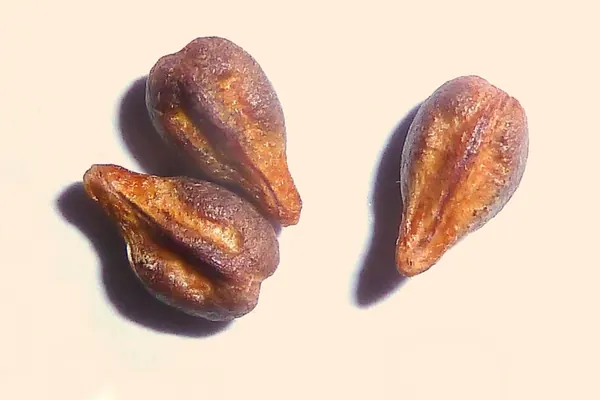
Grape seed extract
In a 351 mg blend of 14 ingredients, amount not disclosedA concentrated source of antioxidant proanthocyanidins. It has been studied for circulation and blood pressure, with small and mixed results; evidence for vision is preliminary.
Photo: Philmarin / CC BY-SA 3.0, via Wikimedia Commons
Coleus forskohlii
In a 351 mg blend of 14 ingredients, amount not disclosedA plant in the mint family whose root contains forskolin (pictured: the leaves; supplements usually use the root). Forskolin eye drops have been studied for eye pressure, but there is little evidence for oral use at an undisclosed dose.
Photo: Krzysztof Ziarnek, Kenraiz / CC BY-SA 4.0, via Wikimedia Commons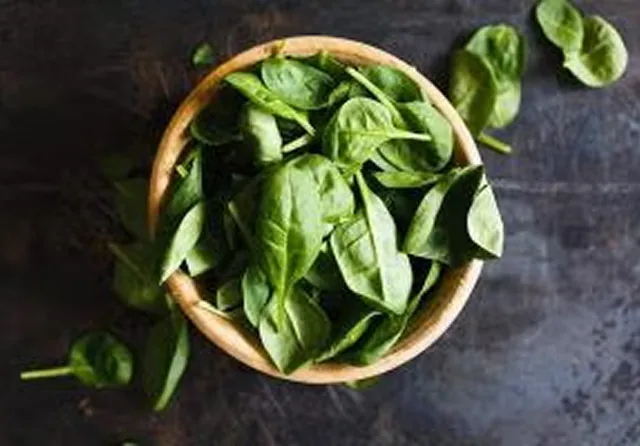
Alpha lipoic acid
In a 351 mg blend of 14 ingredients, amount not disclosedAn antioxidant the body makes in small amounts and that is studied mainly for diabetic nerve pain (pictured: spinach, a natural food source). Eye research in people is limited, and nerve studies typically used hundreds of milligrams, so a share of a 351 mg blend is unlikely to come close.
Rutin
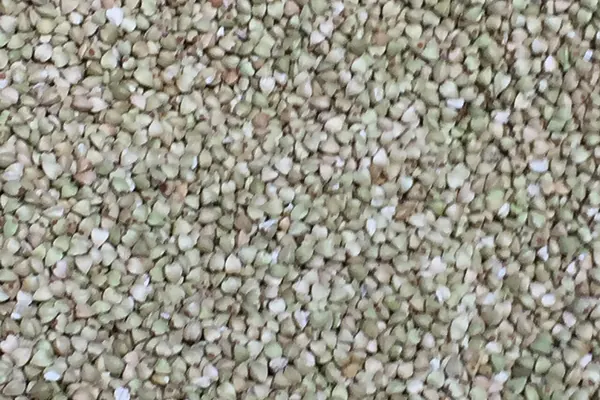
In a 351 mg blend of 14 ingredients, amount not disclosedA plant flavonoid found in buckwheat, citrus and apples, marketed for blood vessel health (pictured: buckwheat, a common food source of rutin). There is no good human evidence for vision.
Photo: François Nguyen / CC BY 2.0, via Wikimedia Commons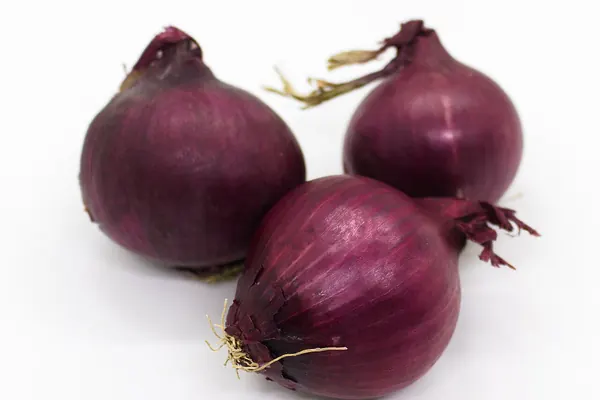
Quercetin
In a 351 mg blend of 14 ingredients, amount not disclosedOne of the most common flavonoids in the diet, with antioxidant effects in the lab (pictured: red onions, a common food source of quercetin). Human evidence for eye health is lacking.
Photo: Anja / CC BY-SA 4.0, via Wikimedia Commons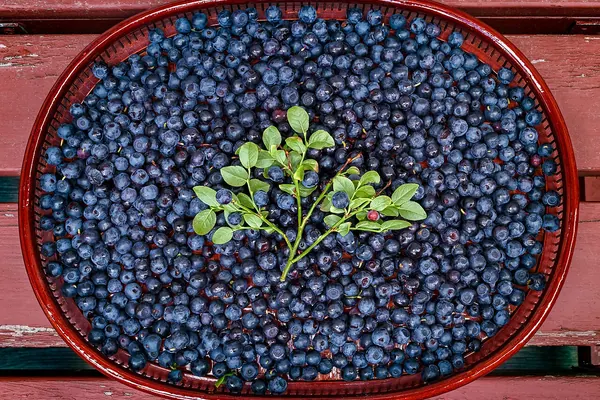
Bilberry extract
In a 351 mg blend of 14 ingredients, amount not disclosedThe European cousin of the blueberry, made famous by stories about World War II pilots and night vision. Controlled studies have not backed that up, and NCCIH says there is not enough evidence that bilberry helps any eye condition. It is generally well tolerated in food amounts.
Photo: W.carter / CC BY-SA 4.0, via Wikimedia Commons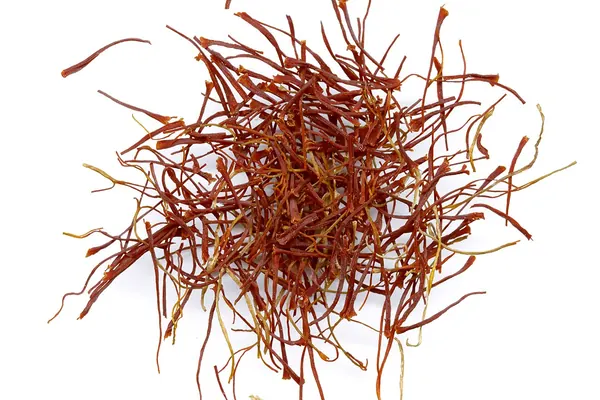
Saffron
In a 351 mg blend of 14 ingredients, amount not disclosedThe dried stigmas of the Crocus sativus flower and the world's most expensive spice. Small trials in people with early AMD have reported modest improvements in retinal function, which makes it one of the more interesting extras, but there is no way to know whether this blend contains a comparable amount.
Photo: Rainer Zenz / Public domain, via Wikimedia Commons
Lycopene
In a 351 mg blend of 14 ingredients, amount not disclosedThe red carotenoid in tomatoes and watermelon (pictured: tomatoes, a common food source of lycopene). Unlike lutein, it does not collect in the macula in meaningful amounts, and there is no good evidence it helps vision.
Photo: George Chernilevsky / CC BY 4.0, via Wikimedia Commons
Lutein
In a 351 mg blend of 14 ingredients, amount not disclosedA yellow carotenoid that builds up in the macula, where it filters blue light; supplements are usually extracted from marigold petals, and kale and spinach are rich food sources (pictured: a marigold flower). It is the strongest-evidence ingredient here, part of the AREDS2 formula at 10 mg a day, but VisionX does not say how much it contains.
Photo: Joydeep / CC BY-SA 3.0, via Wikimedia Commons
Zeaxanthin
In a 351 mg blend of 14 ingredients, amount not disclosedLutein's partner pigment, concentrated in the very center of the macula (pictured: sweet corn, a common food source of zeaxanthin). AREDS2 used 2 mg a day; the VisionX label does not disclose its amount.
Photo: PattayaPatrol / CC BY-SA 4.0, via Wikimedia Commons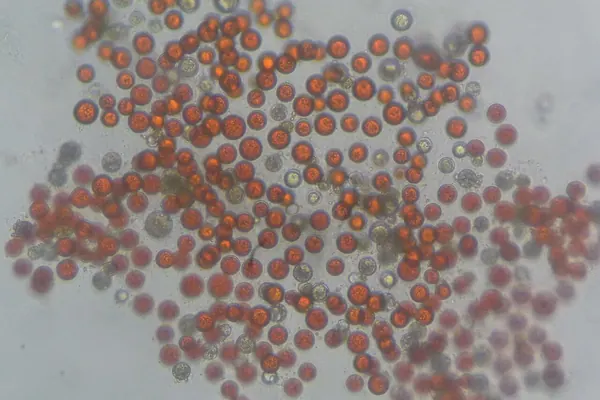
Astaxanthin
In a 351 mg blend of 14 ingredients, amount not disclosedA red carotenoid made by the microalga Haematococcus pluvialis, shown here under a microscope, and the pigment that turns salmon pink. Small studies have looked at it for eye fatigue from screen use, with mixed results; it was not part of AREDS2.
Photo: Lucia Cimarelli / CC BY 4.0, via Wikimedia CommonsThe benchmark: the AREDS2 eye-vitamin formula
The National Eye Institute ran two large trials, AREDS and AREDS2, in people at risk of advanced AMD. The final AREDS2 formula lowered the risk of progressing to advanced AMD by about 25% over five years in people who already had intermediate AMD, or advanced AMD in one eye. These are the daily amounts it used:
| Nutrient | Daily amount used in AREDS2 | VisionX label (per capsule) |
|---|---|---|
| Vitamin C | 500 mg | 90 mg |
| Vitamin E | 400 IU | 15 mg (about 33 IU) |
| Zinc | 80 mg (as zinc oxide) | 11 mg (as zinc oxide) |
| Copper | 2 mg (added to prevent zinc-related copper deficiency) | 0.9 mg |
| Lutein | 10 mg | In the 351 mg blend, amount not listed |
| Zeaxanthin | 2 mg | In the 351 mg blend, amount not listed |
Three findings from those trials are worth knowing before you buy any eye supplement:
- It helped one group. The formula did not prevent AMD in people who did not have it, and it did not slow cataracts.
- It does not improve eyesight. The goal was slowing disease, not sharper vision.
- Beta carotene was taken out. In AREDS2, lutein and zeaxanthin replaced beta carotene because beta carotene raises the risk of lung cancer in current and former smokers. VisionX lists beta carotene, which is why smokers should talk to a doctor first.
VisionX shares five of the six AREDS2 nutrients, which is a good sign about how it was designed. The label shows it does not deliver the same doses: the vitamins, zinc and copper are well below the AREDS2 amounts, and the lutein and zeaxanthin amounts are not disclosed.
Check VisionX price on the official site →Opens the brand's official website · money-back guarantee
How to take VisionX
The brand's FAQ says to take one capsule a day with a glass of water. Taking it with a meal that has some fat is a reasonable habit, because lutein, zeaxanthin, beta carotene and vitamin E are fat-soluble and absorb better with food. Do not exceed the label dose, and do not stack it with another eye vitamin or a high-dose multivitamin without checking the totals for vitamin A and zinc.

How much does VisionX cost?
The official order page sells three packages, each a single charge. The FAQ states there are no auto-shipments, subscriptions or hidden fees.
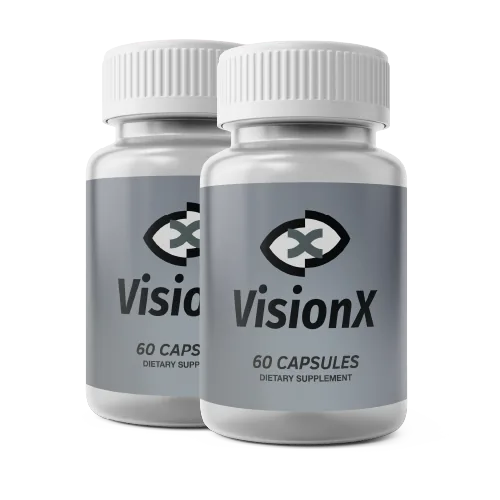 2 bottles60-day supply$79 /bottle$158 · + shippingCheck availability →Best value
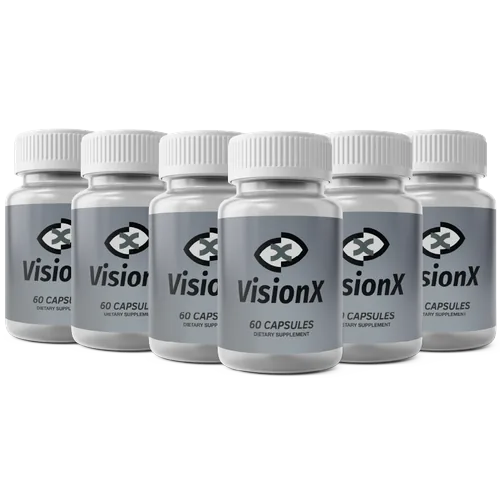 6 bottles180-day supply$49 /bottle$294 · free US shipping + 3 e-booksCheck availability →
 3 bottles90-day supply$69 /bottle$207 · + 3 e-booksCheck availability →
| Package | Supply | Price per bottle | Total | Extras |
|---|---|---|---|---|
| 2 bottles | 60 days | $79 | $158 | + shipping |
| 3 bottles | 90 days | $69 | $207 | 3 bonus e-books |
| 6 bottles | 180 days | $49 | $294 | free US shipping + 3 bonus e-books |
Prices as listed on the official order page when we checked. They change from time to time, so the checkout page is the final word.
About shipping: the support page lists US shipping at $9.99, international at $19.90, and delivery in 5 to 7 working days in the US and 10 to 15 elsewhere. The order page highlights free US shipping on the 6-bottle package. The 3 and 6-bottle packages include three e-books: a Vision Nutrition Guide, an Eye Exercise Protocol and a Digital Eye Defense guide. Check the total on the checkout page before paying; it shows exactly what you will be charged.
How the 60-day guarantee works

Every order from the official VisionX store is covered by a 60-day money-back guarantee, and it is a one-time payment with no subscription or auto-shipment.
You have 60 days from the order date. Call +1 (877) 257-0825 (7 AM to 9 PM, seven days a week) or email support@healthyconsumer.us to request the refund, then ship the bottles to VisionX, 11870 62nd St N, Largo, FL 33773, USA. Three things to know:
- You pay return shipping.
- The paragraph next to the guarantee seal says "60-day" in the heading and "the next 30 days" in the text. The refund policy and FAQ both say 60 days, but do not wait until the last week.
- The FAQ says to return all bottles, even empty ones, while the refund policy mentions unused bottles. Keep every bottle until you decide, and ask support in writing which applies to your order.
Refunds reach credit cards in about 5 to 7 business days and debit cards in 5 to 10, according to the refund policy.
Who should talk to a doctor before taking VisionX?
- Current and former smokers: beta carotene supplements raise lung cancer risk in this group. This is the main reason AREDS2 dropped it.
- Anyone on blood thinners such as warfarin, apixaban or daily aspirin: ginkgo and vitamin E can add to bleeding risk.
- Anyone with surgery coming up, including eye surgery: stop ginkgo ahead of time and tell your surgeon.
- People already taking a multivitamin or another eye vitamin: add up vitamin A and zinc so you do not overshoot.
- Anyone with a diagnosed eye disease such as AMD, glaucoma or diabetic retinopathy: keep your treatment plan, and ask your eye doctor whether a supplement fits into it.
- Pregnant or nursing women and people under 18: the brand advises asking a physician first.
What to realistically expect
Eye nutrients work slowly. Macular pigment builds up over months, which is why the brand itself suggests three to six months. You should not expect sharper vision, and you should not judge it by whether you can drop your reading glasses. A fair way to approach it is to book an eye exam if you have not had one in the last year or two, take the capsule daily with a meal, and ask your eye doctor at the next visit how your macula looks. If you feel no difference in comfort and decide it is not for you, the 60-day window gives you time to return it, but remember that return postage is on you.
Our verdict
VisionX picks its ingredients from the right shelf. Lutein, zeaxanthin, zinc and vitamins C and E are the nutrients with real trial evidence for eye health, and the price per bottle is in line with the category. What holds it back is dosing and transparency: the label puts the vitamins and zinc far below the AREDS2 amounts and hides lutein and zeaxanthin inside a blend, the marketing promises more than the research supports, and the beta carotene makes it a poor fit for smokers. If you want a simple daily eye-nutrient capsule, you keep up with eye exams and you confirm the label amounts, it is worth considering from the official site.
Check VisionX price on the official site →Opens the brand's official website · money-back guarantee
Your doubts, answered honestly
Is this a scam?
VisionX is a real product with a published Supplement Facts label, a phone line (+1 (877) 257-0825, seven days a week), a support email, a returns address in Largo, Florida, and a written 60-day refund policy. What does not hold up is the marketing: "clinically proven to boost vision" overstates the evidence, there is no trial of VisionX itself, and the order page shows a different label image from the brand's main page. Check the label on the bottle you receive.
Why does it cost $49 to $79 a bottle?
A bottle lasts 30 days, so you pay about a dollar and sixty cents to about two dollars and sixty cents a day, depending on the package. For comparison, standard AREDS2-style eye vitamins, which disclose their lutein and zeaxanthin doses, are usually much cheaper in drugstores. With VisionX you pay for the long botanical blend and the guarantee, not for higher doses of the proven nutrients.
Will it improve my eyesight?
No supplement will sharpen vision blurred by nearsightedness, farsightedness, astigmatism or age-related reading trouble; glasses, contacts or surgery fix those. The best evidence for eye nutrients is about slowing intermediate AMD over about five years, and that came from much higher doses than this label shows. People with healthy eyes are unlikely to notice anything. The brand itself suggests three to six months.
Is it safe? Can I take it with my medication?
Current and former smokers should talk to a doctor because of the beta carotene. Ginkgo and vitamin E can add to bleeding risk, so check first if you take warfarin, apixaban or daily aspirin, and stop ginkgo before any surgery. If you already take a multivitamin or another eye vitamin, add up the vitamin A and zinc. Pregnant or nursing women and anyone under 18 should ask a physician first.
What if it does not work for me?
You have 60 days from the order date. Call or email support, then ship the bottles to the Largo, Florida address. You pay return shipping. The FAQ says to return all bottles, even empty ones, while the refund policy mentions unused bottles, so keep every bottle and ask support in writing which applies. Refunds take about 5 to 7 business days on credit cards and 5 to 10 on debit cards.
Why not just buy it on Amazon?
The brand says VisionX is sold only through buyvisionx.us. Listings elsewhere are not covered by the guarantee described here, and we cannot vouch for what they ship.
Do you get paid if I buy?
Yes. We may earn a commission when you order through our buttons, at no extra cost to you. It does not change our verdict, and the buttons go straight to the official order page.
Frequently asked questions
What are the ingredients in VisionX?
The official order page lists eight: lutein and zeaxanthin, vitamin A (as beta carotene), zinc, vitamin E, vitamin C, selenium, bilberry extract and ginkgo biloba. The Supplement Facts label on the brand's main page gives amounts for the vitamins and minerals (for example 90 mg of vitamin C and 11 mg of zinc), while lutein, zeaxanthin, bilberry and ginkgo sit inside a 351 mg proprietary blend with no individual amounts. The order page shows a different label image, so check the bottle you receive.
How do you take VisionX?
The brand FAQ says one capsule a day with a glass of water.
How much does VisionX cost?
2 bottles for $158 ($79 each), 3 bottles for $207 ($69 each) or 6 bottles for $294 ($49 each, free US shipping). Each package is a one-time payment.
Can VisionX fix blurry vision?
No. Blurry vision from nearsightedness, farsightedness, astigmatism or age-related reading problems is corrected with glasses, contacts or surgery, not with vitamins. New or sudden blurry vision needs an eye exam.
Is VisionX a subscription?
No. The order page and FAQ say it is a one-time payment with no auto-shipments, subscriptions or hidden fees.
Who pays return shipping on VisionX?
The customer. The refund policy says you pay return shipping to send the bottles back to the Largo, Florida returns address.
Related reading
 Review
Memo Matrix review
Memo Matrix is a two-capsule memory and focus supplement. Its own web pages describe three different formulas, so we went back to the Supplement Facts label on the order page and built this review from it.
Read more → Review
Glycovit review
Glycovit is a liquid dropper supplement marketed for blood sugar balance, metabolism and energy. We read the label, the order page and the refund policy so you know what you are buying before you pay.
Read more → Review
NerveCell review
NerveCell is a two-capsule botanical formula marketed for nerve comfort in the hands and feet. We read the label, the order page and the refund policy, and we explain why its sedating herbs deserve a conversation with your doctor.
Read more →
Buy it from the official store so the guarantee applies, and keep your order email until you decide.
Check VisionX price on the official site →Opens the brand's official website · money-back guaranteeSources
- VisionX official sales and order pages (buyvisionx.us/funnelb3/), support page, refund policy and terms, accessed October 2026
- National Eye Institute: AREDS and AREDS2. nei.nih.gov
- AREDS2 Research Group. Lutein + zeaxanthin and omega-3 fatty acids for age-related macular degeneration. JAMA, 2013 (PubMed). pubmed.ncbi.nlm.nih.gov/23644932
- NCCIH: Bilberry. nccih.nih.gov/health/bilberry
- NCCIH: Ginkgo. nccih.nih.gov/health/ginkgo
- NIH Office of Dietary Supplements: Vitamin A and Carotenoids, Health Professional Fact Sheet. ods.od.nih.gov