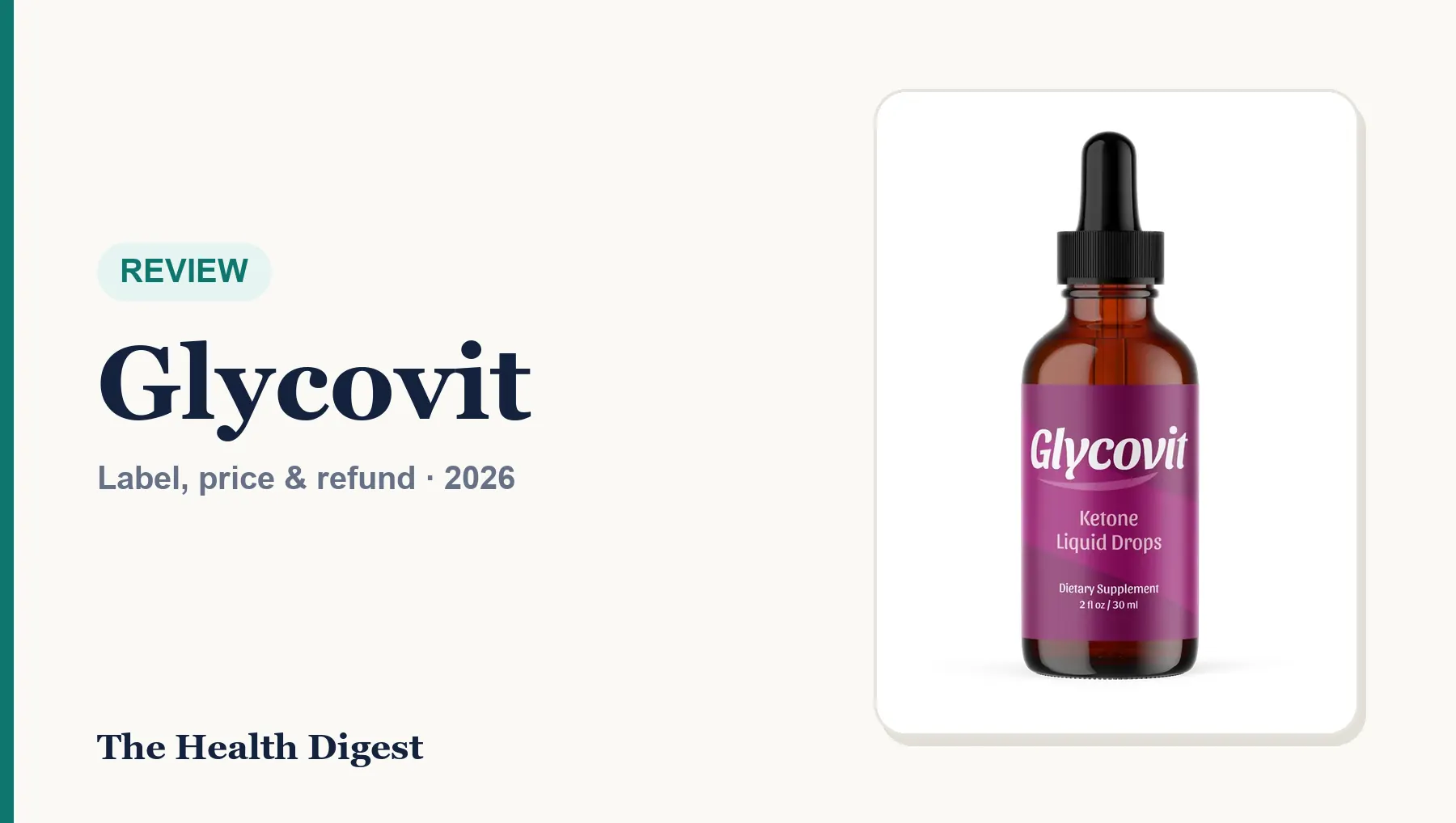
Glycovit is a convenient liquid format with a broad botanical and amino acid blend, sold with a one-time payment and a 60-day guarantee from a company that publishes its address and support line. It suits adults who want an easy daily dropper routine alongside healthy eating and activity. Go in with clear expectations: it is a supplement, not a blood sugar treatment, it contains caffeine sources despite 'no stimulants' wording on one page, and anyone on diabetes medication should talk to a doctor first.
What we like
- Liquid drops: no capsules to swallow
- Full ingredient list printed on the label
- One-time payment, no subscription according to the brand's FAQ
- 60-day money-back guarantee with a published returns address
Keep in mind
- Proprietary blend: the 22 individual amounts are not disclosed
- Contains guarana and green tea (caffeine sources), despite 'No Stimulants' copy
- Customer pays return shipping, and the refund pages disagree on details
Check Glycovit price on the official site →Opens the brand's official website · money-back guarantee
Glycovit is a liquid drop supplement sold on glycovit.com and marketed for healthy blood sugar, daily metabolism and energy. One bottle holds 30 ml, the label serving is 1 ml, and the Supplement Facts panel lists 0.7 mcg of chromium plus a 200 mg proprietary blend of 22 ingredients, from maca and African mango to green tea, guarana and several amino acids. Prices run from $49 to $79 per bottle as a one-time payment, backed by a 60-day money-back guarantee. This review covers the label, the marketing, the price and the refund, and ends with the safety points anyone watching their blood sugar should read.
What is Glycovit, exactly?
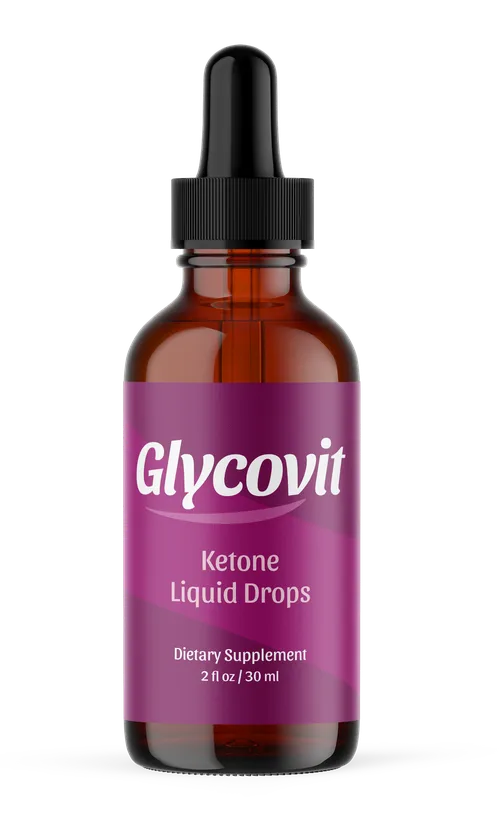
Glycovit comes in a 2 fl oz (30 ml) dropper bottle that the order page calls "Ketone Liquid Drops". You shake the bottle, fill the dropper, place the liquid in your mouth and swallow. There is nothing to chew and no capsule to get down, which is the main practical reason people choose a drop format.
What the product is for depends on which page you read. The direct order page talks about supporting "daily metabolism and energy" with "ketone-support ingredients". The brand's main site leans on "glucose balance" and "healthy blood sugar", and in other places uses fat-burning language. The bonus e-books, "The 21-Day Sugar Reset" and "The Steady Plate", point toward blood sugar and eating habits. The fairest way to describe Glycovit is a blood sugar and metabolism support supplement whose marketing mixes both themes. It is not a medicine, and it is not a substitute for anything your doctor has prescribed.
What does the Glycovit label list?
We worked from the Supplement Facts image on the official order page (label revision REV 07/25). The same label appears on the brand's main site.
| Label line | What it says |
|---|---|
| Serving size | 1 ml |
| Servings per container | 30 (30 ml bottle) |
| Chromium (as chromium picolinate) | 0.7 mcg, 2% of the Daily Value |
| Proprietary blend | 200 mg, individual amounts not listed |
The blend contains, in label order: maca root, grape seed, guarana seed, African mango (Irvingia gabonensis) seed, eleuthero (Eleutherococcus senticosus) root, astragalus root, green tea leaf, gymnema leaf, Coleus forskohlii root, capsicum fruit, grapefruit fruit and Panax ginseng extracts, then raspberry ketones, L-glutamine, L-tyrosine, L-arginine, beta-alanine, monoammonium glycyrrhizinate (from licorice), GABA, L-ornithine, L-tryptophan and L-carnitine.
| Ingredient | Amount per serving | What research supports |
|---|---|---|
| Chromium (as chromium picolinate) | 0.7 mcg (2% DV) | NCCIH cites a 2022 review of 16 studies suggesting possible improvements in HbA1c and fasting glucose in type 2 diabetes, but calls the evidence weak. 0.7 mcg is 2% of the Daily Value. |
| Proprietary blend (22 ingredients) | 200 mg in total; individual amounts not listed | With 22 ingredients sharing 200 mg, the average is about 9 mg each. |
| Green tea leaf extract | Inside the blend; amount not listed | Catechins plus caffeine may have a modest effect on body weight, according to NCCIH, which calls the evidence for most uses inconclusive. |
| Panax ginseng extract | Inside the blend; amount not listed | A 2022 review reported some cardiometabolic improvements; NCCIH calls the blood sugar evidence inconclusive and conflicting. |
| Raspberry ketones, African mango, gymnema | Inside the blend; amounts not listed | Popular in metabolism products, but good human evidence is lacking. |
| Maca, grape seed, guarana, eleuthero, astragalus, Coleus forskohlii, capsicum, grapefruit, L-glutamine, L-tyrosine, L-arginine, beta-alanine, glycyrrhizinate, GABA, L-ornithine, L-tryptophan, L-carnitine | Inside the blend; amounts not listed | Not studied as a combination; without amounts, their contribution cannot be judged. |
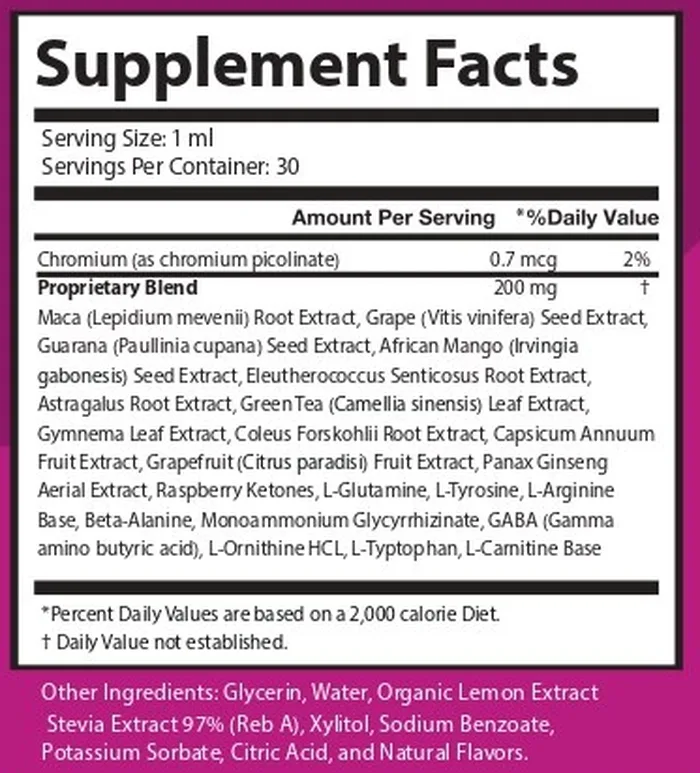
The other ingredients make up the liquid base and flavor: glycerin, water, organic lemon extract, stevia extract, xylitol, sodium benzoate and potassium sorbate (preservatives), citric acid and natural flavors. There is no sugar listed among them; the sweetness comes from stevia and xylitol.
Two details are worth knowing before you order. First, because the 200 mg blend is a proprietary blend, the label does not tell you how much of each of the 22 ingredients you get. Second, some press releases describe a "3,000 mg" formula. That number does not appear on the label, which says 200 mg. When the two disagree, go by the bottle.
Every ingredient, up close
Here is every active ingredient on the label, what it actually is, and what research does and does not show.
Chromium (as chromium picolinate)
0.7 mcg (2% DV)An essential trace mineral, here in its picolinate form (pictured: broccoli, a common food source of chromium). NCCIH cites a 2022 review of 16 studies suggesting possible improvements in HbA1c and fasting glucose in type 2 diabetes, but calls the evidence weak. Chromium trials generally used hundreds of micrograms a day; this label gives 0.7 mcg, 2% of the Daily Value, which is less than many ordinary multivitamins.
Photo: David / Public domain, via Wikimedia Commons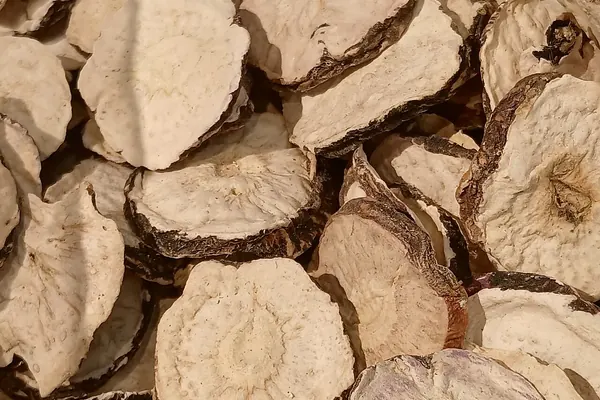
Maca root
In a 200 mg blend of 22 ingredients, amount not disclosedA root vegetable grown high in the Peruvian Andes and traditionally eaten dried or ground into flour. Small human studies have looked at energy, mood and libido, usually at grams a day; nothing solid links maca to blood sugar, and its share of the 200 mg blend is not disclosed.
Photo: Fumikas Sagisavas / CC0, via Wikimedia Commons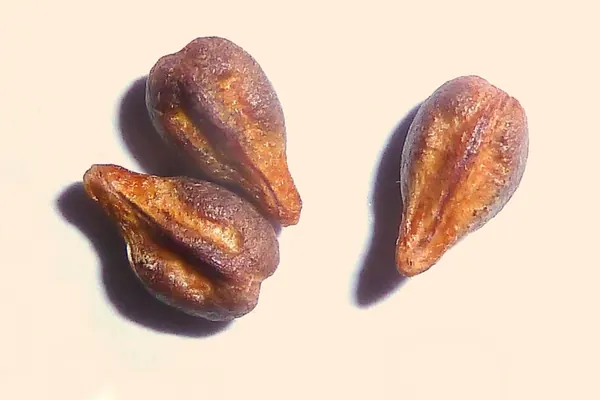
Grape seed
In a 200 mg blend of 22 ingredients, amount not disclosedGrape seed extract is a concentrated source of plant compounds called proanthocyanidins. Human research has focused mostly on blood pressure and circulation, with modest and inconsistent results; it is not an established blood sugar ingredient.
Photo: Philmarin / CC BY-SA 3.0, via Wikimedia Commons
Guarana seed
In a 200 mg blend of 22 ingredients, amount not disclosedAn Amazonian vine whose seeds hold more caffeine by weight than coffee beans, which is why we count it as a stimulant despite the "No Stimulants" wording on the main site. Any energy lift comes mainly from that caffeine, and the amount here is not stated.
Photo: Geoff Gallice from Gainesville, FL, USA / CC BY 2.0, via Wikimedia Commons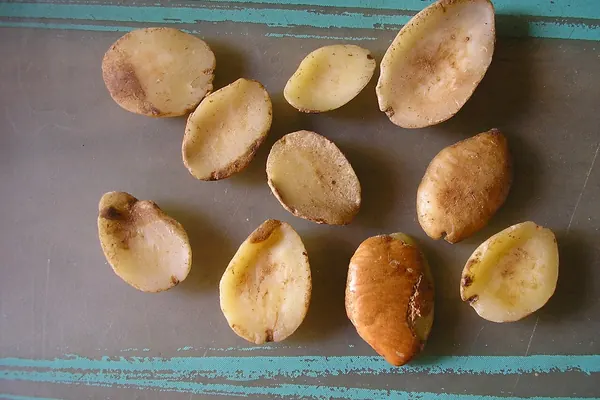
African mango (Irvingia gabonensis) seed
In a 200 mg blend of 22 ingredients, amount not disclosedThe seed of a West African fruit tree, sold in markets as ogbono for cooking. The 2009 trial most brands cite used 150 mg twice a day for 10 weeks, and independent confirmation is limited. That is 300 mg a day, more than this entire 200 mg blend weighs.
Photo: Zz411 at English Wikipedia / CC BY-SA 3.0, via Wikimedia Commons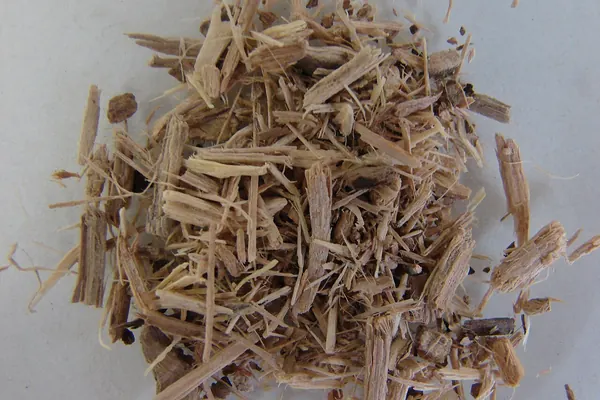
Eleuthero (Eleutherococcus senticosus) root
In a 200 mg blend of 22 ingredients, amount not disclosedOften called Siberian ginseng, though it is a different plant from true ginseng; the root is a traditional "adaptogen" from northeast Asia. Studies on fatigue and stress are mixed, and there is no solid blood sugar evidence in people.
Photo: Maša Sinreih in Valentina Vivod / CC BY-SA 3.0, via Wikimedia Commons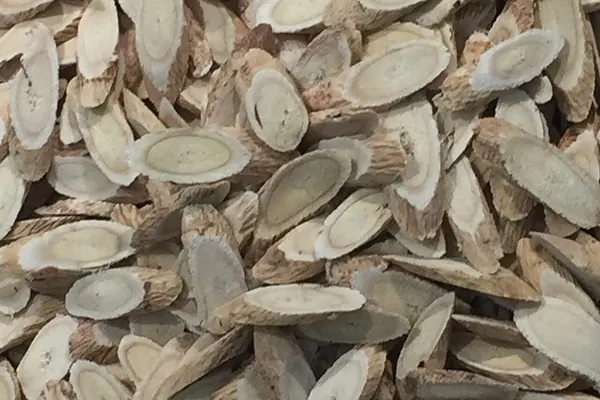
Astragalus root
In a 200 mg blend of 22 ingredients, amount not disclosedAstragalus root (huang qi) is a staple of traditional Chinese medicine. NCCIH notes that high-quality research in people is scarce for any use, so its role here is hard to judge.
Photo: Fumikas Sagisavas / CC0, via Wikimedia Commons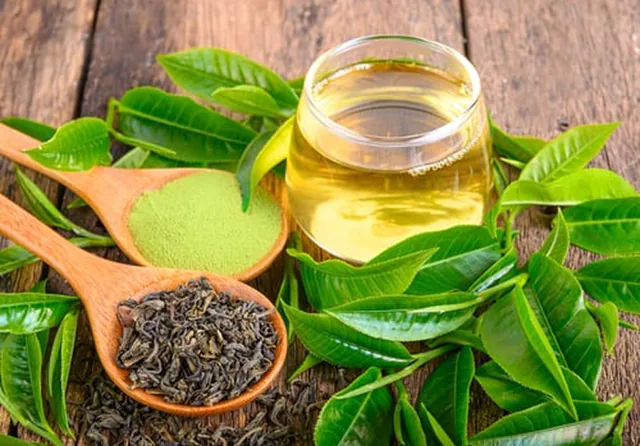
Green tea leaf
In a 200 mg blend of 22 ingredients, amount not disclosedLeaves of Camellia sinensis, which supply catechins such as EGCG plus some caffeine. NCCIH says catechins with caffeine may have a modest effect on body weight but calls the evidence for most uses inconclusive, and concentrated extracts have rare reports of liver injury.
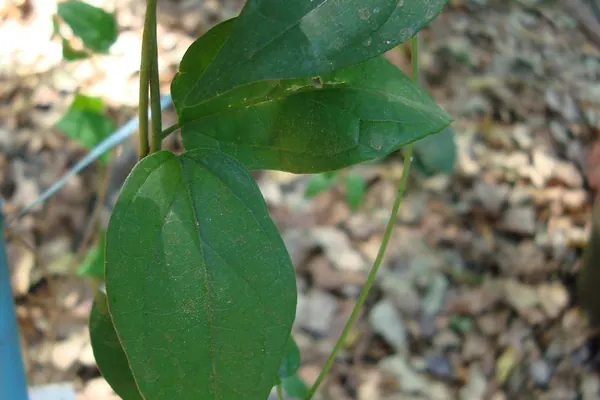
Gymnema leaf
In a 200 mg blend of 22 ingredients, amount not disclosedA climbing plant from India whose Hindi name, gurmar, means "sugar destroyer"; chewing the leaf briefly dulls sweet taste. Small studies on blood sugar mostly used around 400 mg of extract a day, double this whole blend, and good large trials are lacking.
Photo: Satheesan.vn / CC BY-SA 3.0, via Wikimedia Commons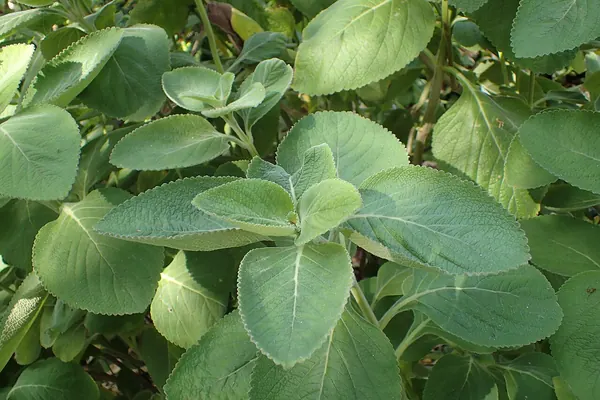
Coleus forskohlii root
In a 200 mg blend of 22 ingredients, amount not disclosedA mint-family plant from India whose root supplies forskolin (pictured: the leaves; the supplement uses the root). Small weight trials have given mixed results, and it is traditionally linked to lower blood pressure.
Photo: Krzysztof Ziarnek, Kenraiz / CC BY-SA 4.0, via Wikimedia Commons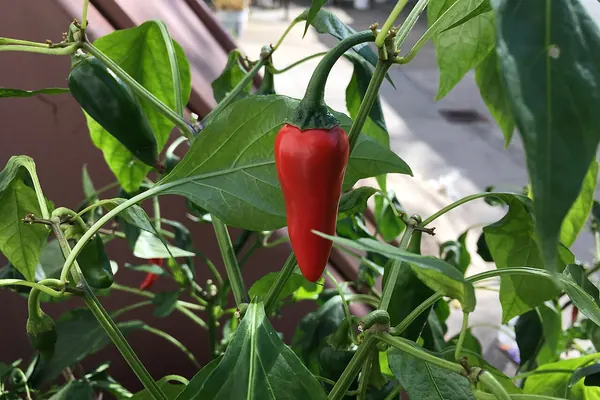
Capsicum fruit
In a 200 mg blend of 22 ingredients, amount not disclosedCapsicum peppers get their heat from capsaicin, which slightly increases energy use in short studies. The effect on weight is small, and in a 22-way blend the amount is likely tiny.
Photo: Ashoka Jegroo / CC BY-SA 4.0, via Wikimedia Commons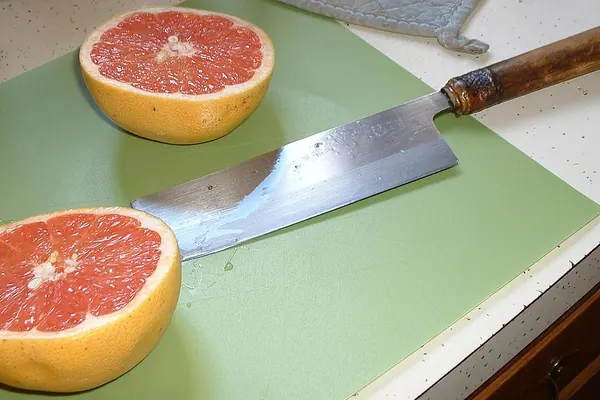
Grapefruit fruit
In a 200 mg blend of 22 ingredients, amount not disclosedA citrus fruit; studies of whole grapefruit and weight are small and inconsistent. Grapefruit is known for interacting with many prescription drugs, and whether this extract does so at label amounts is unknown.
Photo: tracy from north brookfield,Massachusetts, usa / CC BY 2.0, via Wikimedia Commons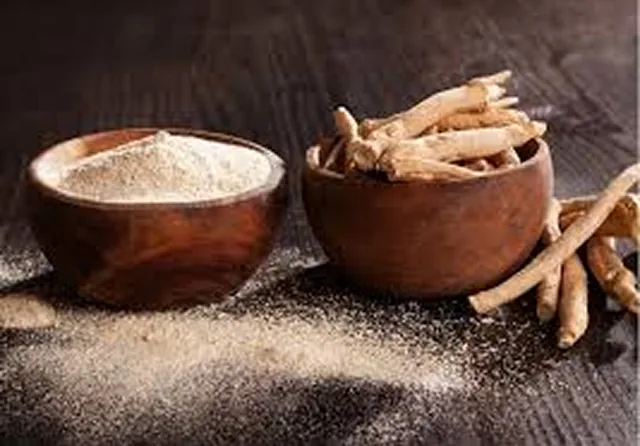
Panax ginseng extract
In a 200 mg blend of 22 ingredients, amount not disclosedAsian ginseng root, used for centuries in Korea and China. A 2022 review reported some cardiometabolic improvements, but NCCIH calls the blood sugar evidence "inconclusive and conflicting", and it may add to the effect of glucose-lowering drugs.
Raspberry ketones
In a 200 mg blend of 22 ingredients, amount not disclosedThe compound behind the smell of red raspberries, usually made in a lab for supplements. There are no published human trials of raspberry ketone on its own for weight; the claims rest on animal studies and multi-ingredient products.
L-glutamine
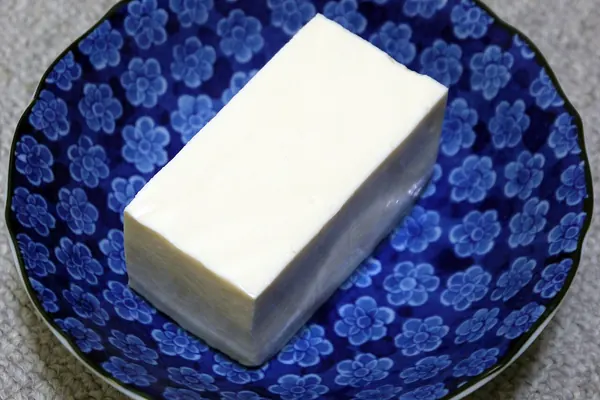
In a 200 mg blend of 22 ingredients, amount not disclosedAn amino acid the body makes and also gets from protein foods (pictured: tofu, a common food source of glutamine). Used in sports and gut-health products; human evidence for blood sugar or metabolism is thin.
Photo: DryPot / CC BY-SA 3.0, via Wikimedia Commons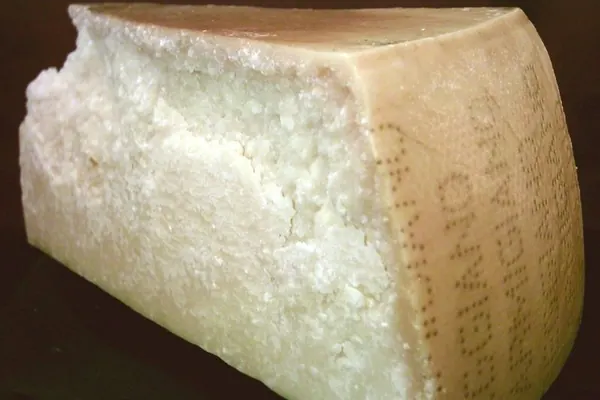
L-tyrosine
In a 200 mg blend of 22 ingredients, amount not disclosedAn amino acid the body uses to make dopamine and adrenaline (pictured: parmesan cheese, a common food source of tyrosine). Studies looked at mental performance under stress, not blood sugar.
Photo: Unknown author / CC BY-SA 3.0, via Wikimedia Commons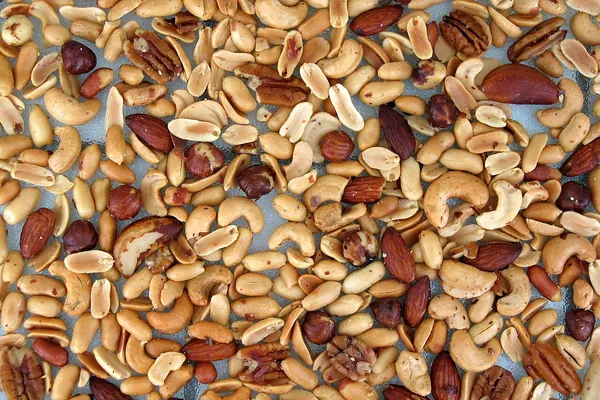
L-arginine
In a 200 mg blend of 22 ingredients, amount not disclosedAn amino acid the body turns into nitric oxide (pictured: mixed nuts, a common food source of arginine). It is studied for circulation at grams a day, so a share of a 200 mg blend is unlikely to matter.
Photo: User:Melchoir / CC BY-SA 3.0, via Wikimedia Commons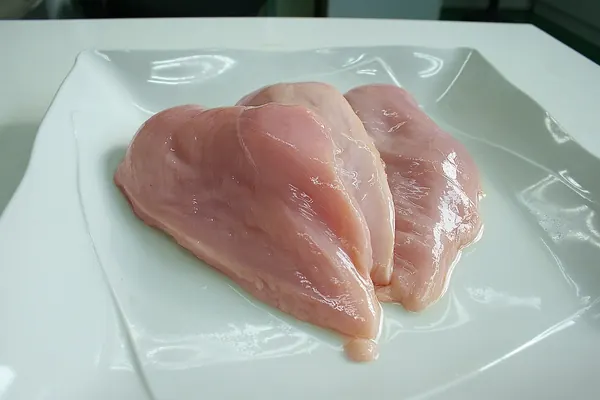
Beta-alanine
In a 200 mg blend of 22 ingredients, amount not disclosedAn amino acid that raises carnosine in muscle and is studied for high-intensity exercise at grams a day (pictured: chicken breast, a common food source). It has no established role in blood sugar.
Photo: kakyusei / CC0, via Wikimedia Commons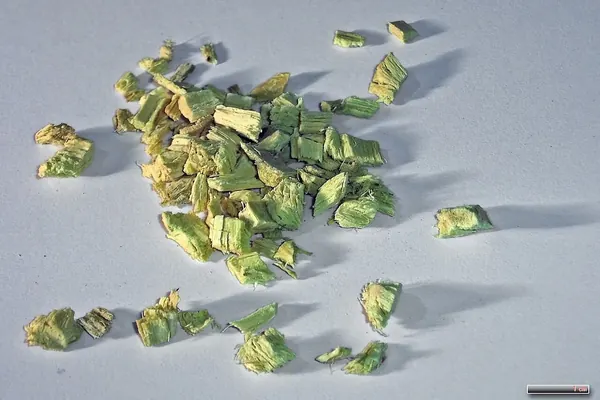
Monoammonium glycyrrhizinate (from licorice)
In a 200 mg blend of 22 ingredients, amount not disclosedA sweet compound extracted from licorice root (pictured: dried licorice root, its source), likely helping with taste here. In large amounts glycyrrhizin can raise blood pressure and lower potassium; the amount in this blend is not disclosed.
Photo: Rillke / CC BY-SA 3.0 de, via Wikimedia CommonsGABA
In a 200 mg blend of 22 ingredients, amount not disclosedA calming messenger chemical in the brain, sold for relaxation and sleep. Whether swallowed GABA reaches the brain in meaningful amounts is debated, and it has no established blood sugar role.
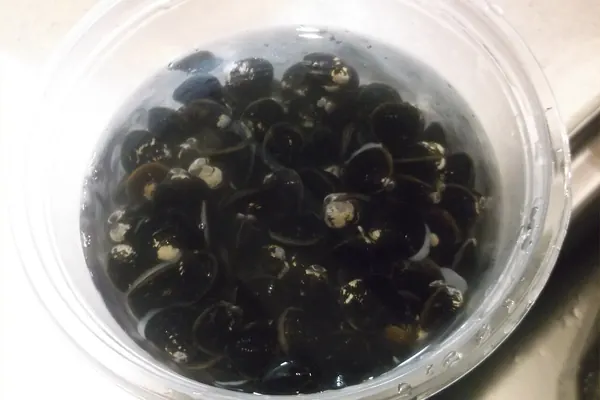
L-ornithine
In a 200 mg blend of 22 ingredients, amount not disclosedAn amino acid involved in clearing ammonia from the body (pictured: shijimi clams, a traditional Japanese source of ornithine). Small studies looked at fatigue; nothing ties it to blood sugar.
Photo: Kentin / CC BY-SA 4.0, via Wikimedia Commons
L-tryptophan
In a 200 mg blend of 22 ingredients, amount not disclosedAn amino acid the body uses to make serotonin and melatonin (pictured: roast turkey, a common food source of tryptophan). Worth mentioning to your pharmacist if you take an antidepressant.
Photo: Mark Miller / CC BY-SA 4.0, via Wikimedia Commons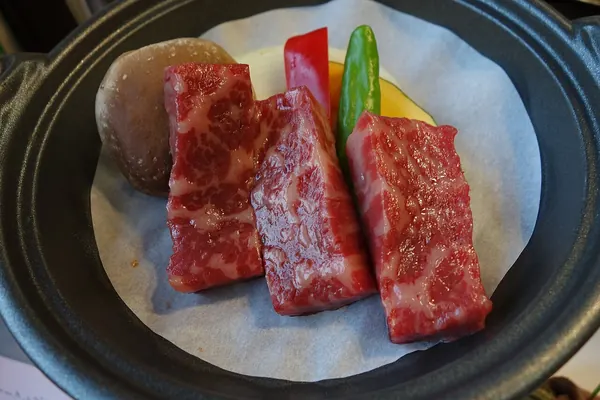
L-carnitine
In a 200 mg blend of 22 ingredients, amount not disclosedA nutrient that helps move fatty acids into cells to be burned (pictured: beef, one of the richest food sources). Reviews of trials using grams a day found modest weight effects at most, far above what a 22-way, 200 mg blend can hold.
Photo: pelican from Tokyo, Japan / CC BY-SA 2.0, via Wikimedia CommonsHow do you take Glycovit?
The label says to shake well and take one or two droppers full daily, placing the liquid in the mouth and swallowing. The printed serving size is 1 ml, and at 1 ml a day the 30 ml bottle is a 30-day supply. The label does not state how much one dropper holds, so if you take two droppers a day, expect the bottle to run out sooner. Most people find it easiest to tie the drops to something they already do every day, such as breakfast.
Check Glycovit price on the official site →Opens the brand's official website · money-back guarantee
How much does Glycovit cost?
The direct order page offers three packages, each charged once. The brand's FAQ says there are no recurring charges or subscription fees.
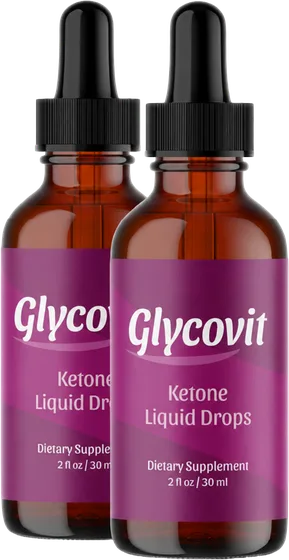 2 bottles60-day supply$79 /bottle$158 · + shippingCheck availability →Best value
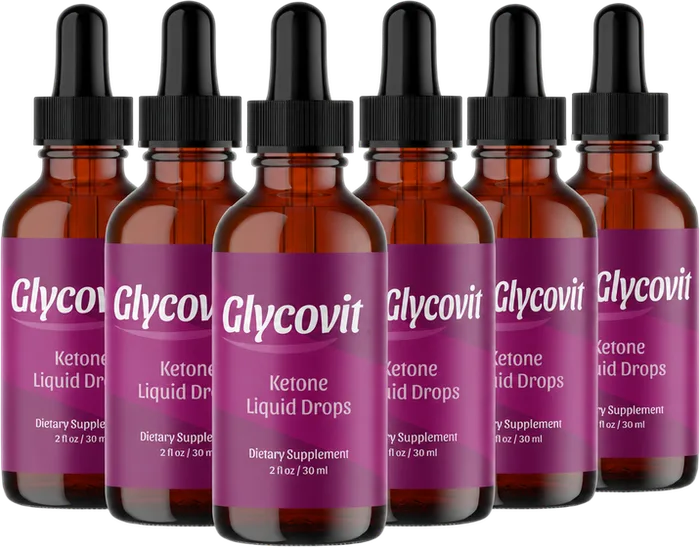 6 bottles180-day supply$49 /bottle$294 · free shipping + bonusesCheck availability →
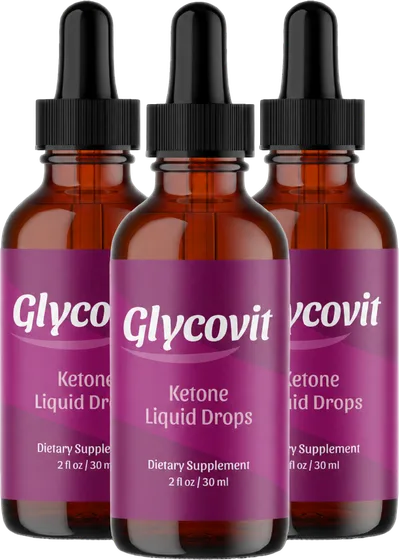 3 bottles90-day supply$69 /bottle$207 · free US shippingCheck availability →
| Package | Supply | Price per bottle | Total | Shipping |
|---|---|---|---|---|
| 2 bottles | 60 days | $79 | $158 | + shipping |
| 3 bottles | 90 days | $69 | $207 | free US shipping |
| 6 bottles | 180 days | $49 | $294 | free shipping + bonuses |
Prices as listed on the official order page when we checked. They change from time to time, so the order page is the final word.
About shipping: the order page shows +$9.99 on the 2-bottle package and free shipping on 3 and 6 bottles. The support page, however, says only 6-bottle orders ship free (international shipping is listed at $19.90). Because of that conflict, check the final total on the checkout page before you confirm payment. The brand's main site also runs a different offer (1 bottle for $89, 3 for $177, 6 for $294); the prices in our table are from the direct order page.
How does the 60-day guarantee work?

Every order from the official Glycovit store is covered by a 60-day money-back guarantee, and it is a one-time payment with no subscription.
The official policy is 60 days from your order date. We noticed that the guarantee box on the main site says "60-day" and then "at any time in the next 30 Days" in the same paragraph. The support policy states 60 days, but since the brand contradicts itself, confirm the window with support when you order, and do not wait until the last week to ask for a refund.
There is a second wrinkle. One section of the support page says to return all bottles, "empty, full or partially full". Another says to return only unused bottles in perfect condition for a refund of the unused items, and the main site FAQ mentions a full refund for "unopened and complete bottles". You pay return shipping, and original shipping and handling are not refunded. Refunds are processed within 5 to 10 business days after the return arrives.
To start a return, contact support@healthyconsumer.us or +1 (877) 257-0825, ask which rule applies to your order, keep their answer in writing, and ship to Glycovit, 11870 62nd St N, Largo, FL 33773, USA. Keep every bottle until the matter is settled.
Is Glycovit safe? Points to raise with your doctor
The label asks pregnant or nursing women, anyone under 18 and anyone with a medical condition to consult a physician, and not to exceed the suggested dose. Looking at the ingredient list, we would add:
- Diabetes medication: ginseng and chromium may lower blood sugar. Taken with insulin or other glucose-lowering drugs, this could add to their effect and raise the risk of low blood sugar (hypoglycemia). Talk to your doctor before starting, and never stop or reduce a prescribed treatment on your own.
- Caffeine sensitivity: guarana and green tea are caffeine sources, even though the main site says "No Stimulants". Count them if you limit caffeine, have heart rhythm concerns or sleep poorly.
- Other medications: green tea extract has rare reports of liver injury and known interactions with nadolol, atorvastatin and raloxifene. Grapefruit interacts with many drugs; whether this extract does at label amounts is not known. Licorice-derived glycyrrhizinate can raise blood pressure in large amounts, and the amount here is not disclosed.
Diabetes and prediabetes need medical care. If you have high blood sugar readings, frequent thirst or urination, or unexplained weight changes, see a doctor first. A supplement does not replace prescribed treatment.
Who is Glycovit for?
Glycovit fits adults who want a simple liquid routine to go with the habits that matter most for metabolism: balanced meals, regular movement and good sleep. It is a poor fit for anyone avoiding caffeine completely, for pregnant or nursing women, and for anyone who hopes it will replace diabetes care.

Our verdict on Glycovit
Glycovit delivers a broad blend in an easy dropper format, with a clearly printed ingredient list, a one-time price and a 60-day guarantee from a company with a real address and phone line. The honest caveats are the undisclosed blend amounts, caffeine sources that the "no stimulants" copy ignores, return shipping at your cost and refund wording that needs confirming. If those trade-offs are fine for you and your doctor is on board, it is worth trying from the official store.
Check Glycovit price on the official site →Opens the brand's official website · money-back guarantee
Your doubts, answered honestly
Is Glycovit a scam?
Here is what we could verify: a full Supplement Facts label (revision REV 07/25) published on the order page and the main site, a returns address in Largo, Florida, a support email and phone line, a one-time payment with no subscription according to the FAQ, and a written 60-day guarantee. What we could not verify: who manufactures it, whether 22 ingredients sharing 200 mg add up to anything meaningful, and the "3,000 mg" figure in some press releases, which the label contradicts. It is a real product with a real refund process; the marketing is looser than the bottle.
Why does it cost $49 to $79 a bottle?
One bottle lasts 30 days at the label serving, so you pay about $1.63 a day on the 6-bottle package and about $2.63 a day on the 2-bottle package, before any shipping. You are paying for the blend and the dropper format, not for large doses: chromium is listed at 0.7 mcg, and single-ingredient chromium or green tea supplements are usually much cheaper. If one ingredient is what you really want, buying it on its own will cost less and tell you exactly how much you get.
Will Glycovit work for me?
No clinical trial of Glycovit exists, and the ingredient studies we describe above used far larger amounts than a 200 mg blend split 22 ways can hold. The honest expectation is an easy daily routine, not a measurable drop in your glucose readings. If you have diabetes or prediabetes and hope to see lower numbers on your meter, you will most likely be disappointed; food, activity, sleep and prescribed care do that job.
Is it safe? Can I take it with my medication?
Ask your doctor first if you take insulin or other glucose-lowering drugs, because ginseng and chromium may add to their effect. Guarana and green tea are caffeine sources, green tea extract has known interactions with nadolol, atorvastatin and raloxifene, grapefruit interacts with many drugs, and licorice-derived glycyrrhizinate can raise blood pressure in large amounts. The label says it is not for pregnant or nursing women or anyone under 18.
What if it doesn't work for me?
The support policy gives you 60 days from the order date, although one box on the main site also mentions 30 days, so confirm the window when you order. The pages also disagree on whether you must return every bottle or only unused ones. You pay return shipping, original shipping is not refunded, and refunds take 5 to 10 business days after the return arrives. Contact support@healthyconsumer.us or +1 (877) 257-0825 and keep their answer in writing.
Why not just buy it on Amazon?
Amazon is not listed by the brand as an authorized seller, and the 60-day guarantee described here applies to orders from the official store. A listing elsewhere may or may not be the same product; we simply cannot vouch for it, and the refund terms would not be the brand's.
Do you get paid if I buy?
Yes. If you order through our buttons, we may earn a commission. It does not change your price, and it does not change what we write, which is why this page lists the caffeine sources, the tiny chromium dose and the refund contradictions. Our buttons take you to the brand's official site.
Frequently asked questions
Is Glycovit a pill or a liquid?
It is a liquid. Glycovit comes in a 30 ml dropper bottle, and the label serving is 1 ml, taken by mouth once a day (the label says one or two droppers full).
Does Glycovit contain caffeine?
The label does not list caffeine as a separate line, but the blend includes guarana seed and green tea leaf extracts, which are natural caffeine sources.
Can Glycovit replace my diabetes medication?
No. Glycovit is a supplement, not a treatment for diabetes. Keep taking what your doctor prescribed and ask them before adding Glycovit, because ginseng and chromium may add to the effect of glucose-lowering drugs.
How long does one bottle of Glycovit last?
At the label serving of 1 ml a day, one 30 ml bottle lasts 30 days. Taking two droppers a day will empty it sooner.
Is Glycovit a subscription?
No. The brand's FAQ says each order is a single one-time payment with no recurring charges.
How long is the Glycovit refund window?
The official policy is 60 days from the order date, though one box on the main site also mentions 30 days. Confirm with support, and note that you pay return shipping.
Related reading
 Ingredients
Prostabliss ingredients, line by line
A close reading of the Prostabliss Supplement Facts panel: what each line means, how the 276 mg proprietary blend works, and the ingredients that other sites list but the bottle does not.
Read more → Review
Memo Matrix review
Memo Matrix is a two-capsule memory and focus supplement. Its own web pages describe three different formulas, so we went back to the Supplement Facts label on the order page and built this review from it.
Read more → Safety
Vigortrix side effects
A label-first safety check: how each of the seven ingredients is usually tolerated, which medications deserve a conversation with your doctor, and what to do if it does not agree with you.
Read more →
Buy it from the official store so the guarantee applies, and keep your order email until you decide.
Check Glycovit price on the official site →Opens the brand's official website · money-back guaranteeSources
- Glycovit official order page and Supplement Facts label (REV 07/25), main site, support page and refund policy (glycovit.com), accessed September 2026
- NCCIH: Diabetes and Dietary Supplements. nccih.nih.gov/health/diabetes-and-dietary-supplements
- NCCIH: Green Tea. nccih.nih.gov/health/green-tea
- NCCIH: Asian Ginseng. nccih.nih.gov/health/asian-ginseng