The Prostabliss label is short and readable: two minerals with exact amounts and an eight-ingredient blend built around antioxidant and metabolic-support botanicals. It is a genuinely different design from the saw palmetto formulas that dominate the prostate aisle, and the standardized extracts (98% polyphenols, 80% silymarin, 8% ginsenosides) show care in sourcing. The trade-off is the proprietary blend, which hides individual amounts. Read the label yourself before you buy, and ignore pages that describe a different product.
What we like
- Exact amounts for zinc and chromium
- Standardized extracts named on the label
- Vegetable capsule, one per day
- Distinct approach from saw palmetto formulas
Keep in mind
- Blend amounts per ingredient are not disclosed
- Berberine, banaba and ginseng carry medication interactions
- Chromium %DV on the label uses the old reference value
Check Prostabliss price on the official site →Opens the brand's official website · money-back guarantee
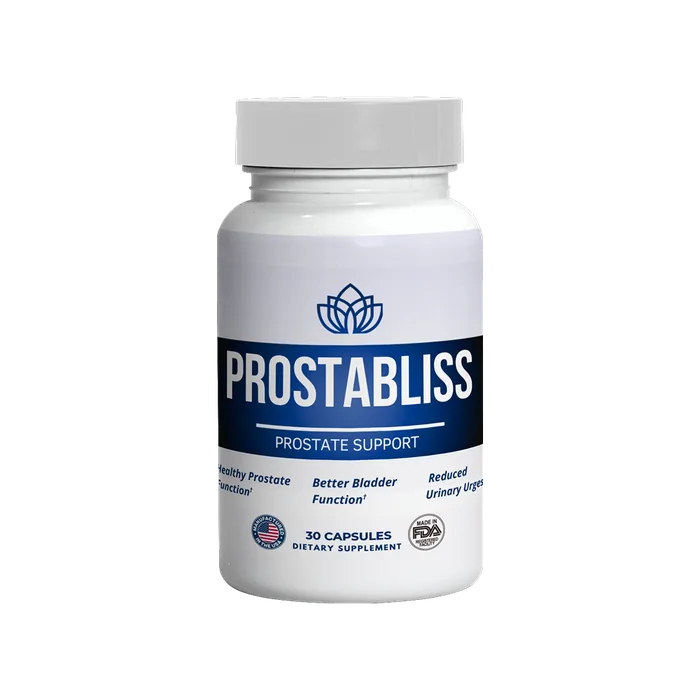
The Prostabliss label lists ten active ingredients in one vegetable capsule: zinc 5.5 mg, chromium 50 mcg, and a 276 mg proprietary blend of alpha lipoic acid, green tea leaf extract, milk thistle seed extract, berberine HCl, resveratrol, cayenne, Panax ginseng and banaba leaf. One capsule is one serving, and each bottle holds 30 servings. Below, we read the panel line by line, explain what a proprietary blend does and does not tell you, and correct the ingredient lists circulating online.
What does the Prostabliss Supplement Facts label say?
This is the panel published on the official website. Click it to see it full size.
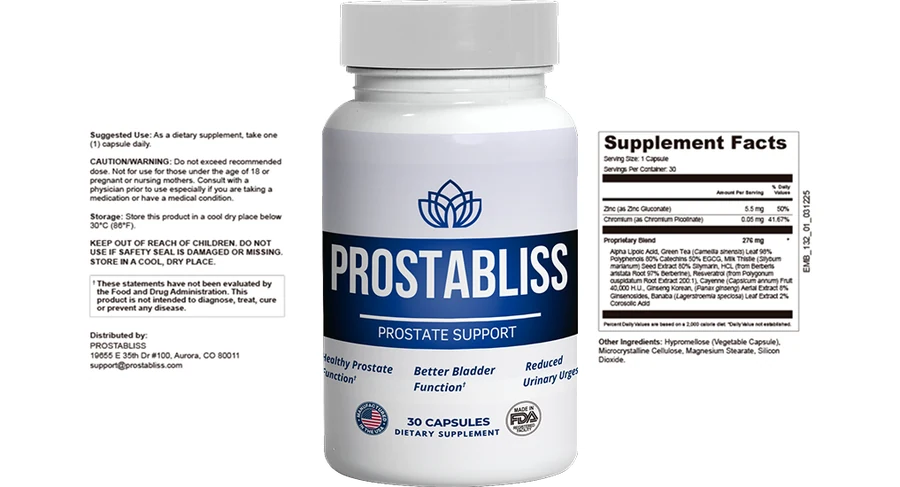
| Line on the label | Amount per capsule | What the fine print adds |
|---|---|---|
| Zinc (as zinc gluconate) | 5.5 mg | 50% of the Daily Value |
| Chromium (as chromium picolinate) | 50 mcg | Label shows 41.67% DV (see the note below) |
| Proprietary blend | 276 mg | Eight ingredients, individual amounts not listed |
| Other ingredients | n/a | Hypromellose, microcrystalline cellulose, magnesium stearate, silicon dioxide |
The label is signed "Distributed by PROSTABLISS, 19655 E 35th Dr #100, Aurora CO 80011." That address and the ingredient list are the reference we use. Anything that disagrees with this panel describes some other product.
The two minerals with exact amounts
Zinc gluconate, 5.5 mg
Zinc is an essential mineral: the body cannot store much of it and needs a steady supply from food. The NIH Office of Dietary Supplements (ODS) lists a Daily Value of 11 mg, which is why 5.5 mg appears as 50% DV. The same fact sheet sets the adult upper limit at 40 mg a day from all sources, so one capsule sits comfortably below it even for someone who eats plenty of zinc-rich food such as meat, shellfish and beans. Gluconate is one of the common, well-absorbed salt forms used in supplements.
Being fair about the research: ODS notes that zinc is vital for normal body function, but good evidence that zinc supplements help an enlarged prostate is lacking. Zinc is on this label as a foundational mineral, not as a treatment.
Chromium picolinate, 50 mcg, and the %DV puzzle
Chromium is a trace mineral involved in how the body handles carbohydrates, and research on chromium supplements and blood sugar is mixed, according to ODS. Here is a detail almost no other page mentions: the label shows chromium at 41.67% DV. That number comes from the old Daily Value of 120 mcg (50 divided by 120). The FDA updated the chromium Daily Value to 35 mcg, which ODS uses today. Against the current value, 50 mcg is roughly 143% DV. Nothing about the capsule changed; only the reference number did. It is a small labeling quirk, and it is useful to know if you add up chromium from a multivitamin too.
How the 276 mg proprietary blend works
A proprietary blend lists its ingredients and the total weight, but not the amount of each one. US labeling rules allow this, and many supplement brands use it. What you can read from it:
- The total: all eight botanicals together weigh 276 mg per capsule.
- The standardization: several extracts state their active compound percentage, which tells you the extract quality.
- What you cannot read: how the 276 mg is split between the eight ingredients.
Here is each blend ingredient with the standardization printed on the label:
| Blend ingredient | Standardization on the label |
|---|---|
| Alpha lipoic acid | n/a |
| Green tea leaf extract | 98% polyphenols, 80% catechins, 50% EGCG |
| Milk thistle seed extract | 80% silymarin |
| Berberine HCl | Berberis aristata, 97% |
| Resveratrol | Polygonum cuspidatum, 200:1 |
| Cayenne | 40,000 heat units (HU) |
| Panax ginseng aerial extract | 8% ginsenosides |
| Banaba leaf extract | 2% corosolic acid |
Standardized percentages are a quality signal: they mean the maker specifies how much of the characteristic compound each extract must carry, rather than using a plain ground herb.
What each ingredient is known for
Zinc
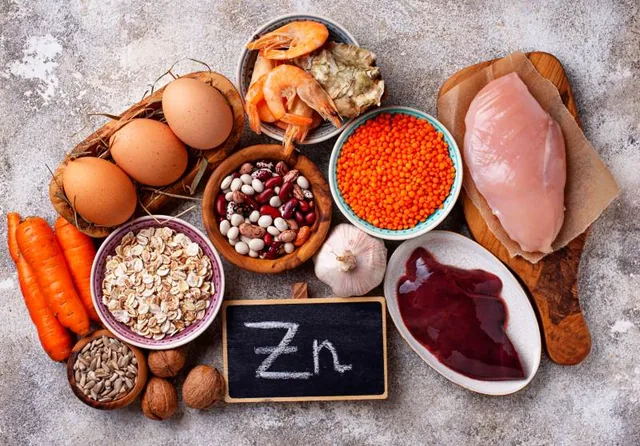
5.5 mg (50% DV)An essential mineral, and the healthy prostate holds some of the highest concentrations of zinc in the body. At 5.5 mg, Prostabliss provides half of the daily value, well below the 40 mg daily upper limit set by the NIH.
Green Tea Extract
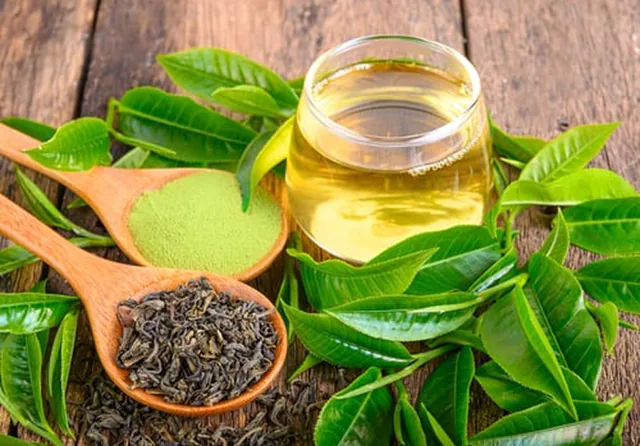
98% polyphenols, 50% EGCGRich in catechins, especially EGCG, which have been widely studied in men's health research. Results in people are still considered preliminary.
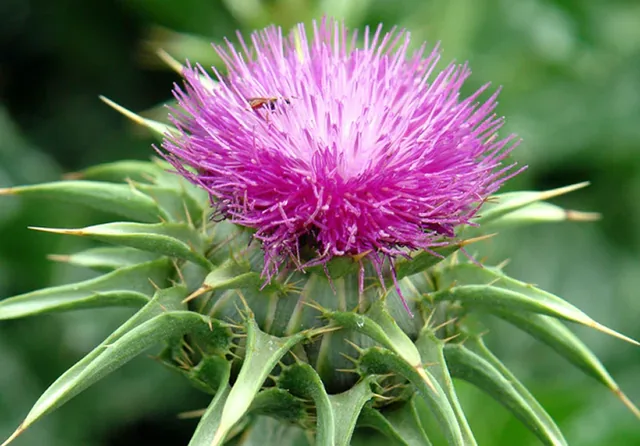
Milk Thistle
80% silymarinTraditionally used to support the liver; its active complex is silymarin.
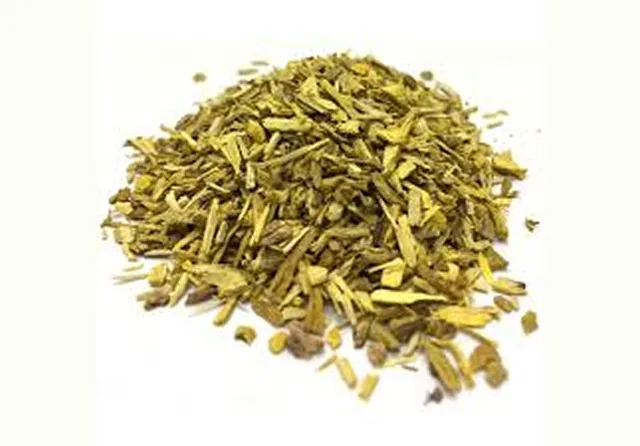
Berberine
Berberis aristata, 97%A plant compound with human research behind it for modest effects on healthy glucose metabolism. Together with banaba and chromium, it gives the formula its metabolic-support angle.
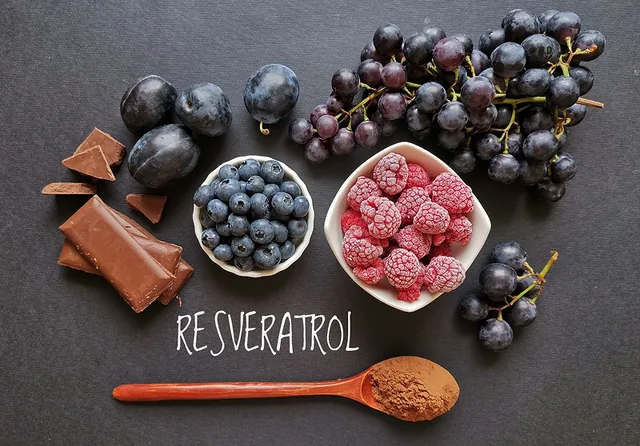
Resveratrol
Polygonum cuspidatum 200:1The polyphenol best known from grapes and red wine, valued for its antioxidant activity.
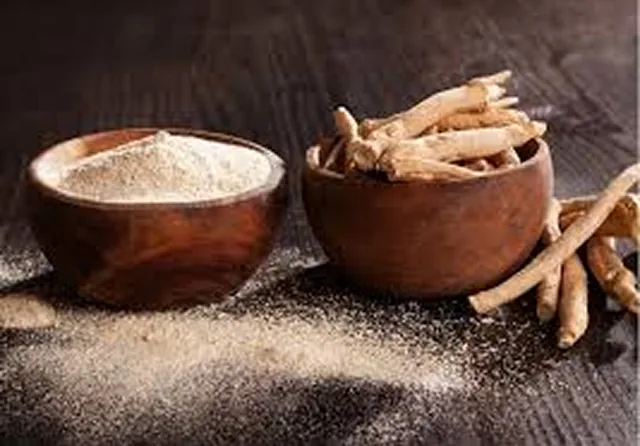
Panax Ginseng
8% ginsenosidesOne of the best-known traditional tonics for energy and vitality. The blend also includes cayenne (40,000 HU) and banaba leaf.
Alpha Lipoic Acid
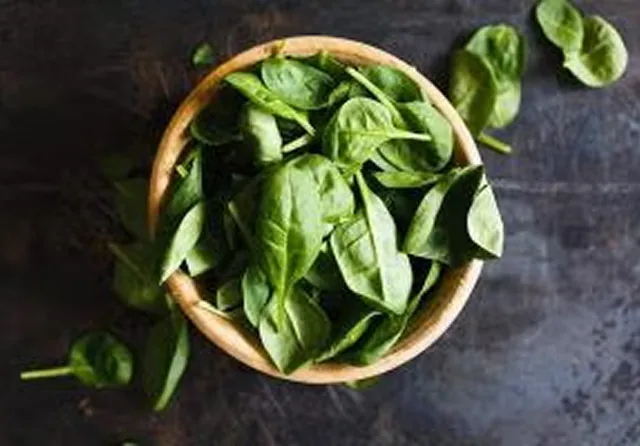
Part of 276 mg blendAn antioxidant the body also makes in small amounts, found in foods such as spinach and broccoli.
Two blend ingredients do not have cards above. Cayenne, rated at 40,000 heat units, is the pepper that gives capsaicin its warmth. Banaba leaf, standardized to 2% corosolic acid, is a traditional botanical from Southeast Asia that research has looked at for glucose metabolism. With berberine and chromium, banaba forms the formula's metabolic-support group.
Read as a whole, the label groups neatly into three families: minerals (zinc, chromium), antioxidants (green tea, resveratrol, alpha lipoic acid, milk thistle) and metabolic-support botanicals (berberine, banaba, chromium again), with ginseng and cayenne as traditional tonics.
Check Prostabliss price on the official site →Opens the brand's official website · money-back guarantee
What is NOT in Prostabliss, and why so many sites get it wrong
Search "Prostabliss ingredients" and a large share of results describe a classic prostate stack: saw palmetto, pygeum, pumpkin seed, beta-sitosterol, lycopene and stinging nettle. None of these appear on the official label.
How does that happen? Three reasons we found while checking:
- Template writing. Many "review" pages are generated from a generic prostate-supplement template. When the writer never opens the real label, the template's saw palmetto list survives.
- Spam copies. Search results for this product are crowded with parasite pages hosted on university subdomains and cloud storage buckets. They copy each other, so one wrong list spreads to dozens of pages.
- A mismatched references page. The official site's "Scientific References" page cites research on shilajit, kelp, neem and pomegranate, none of which are in the capsule. It looks like a leftover template, and some writers picked ingredients from it.
The rule is simple: the Supplement Facts panel on the bottle is the only ingredient list that counts.
How to read any supplement label in two minutes
The same method we used here works for any bottle you are considering, and it protects you from the copy-paste reviews described above:
- Find the serving size first. Prostabliss is one capsule. Some formulas list amounts for two or four capsules, which changes the daily picture.
- Separate disclosed amounts from blends. Here, zinc and chromium have exact amounts; everything else sits inside the 276 mg blend.
- Look for standardization. Percentages like "80% silymarin" or "8% ginsenosides" describe extract quality.
- Check the %DV against current values. As the chromium line shows, labels can lag behind updated reference numbers.
- Read the other ingredients. They tell you the capsule type and whether there is anything you prefer to avoid.
- Cross-check your other supplements. If your multivitamin also has zinc and chromium, add the numbers together.
What about the "other ingredients"?
These are standard capsule components, not actives:
- Hypromellose: a plant-cellulose capsule shell, which is why the label says veg capsules.
- Microcrystalline cellulose: a filler that keeps the capsule weight consistent.
- Magnesium stearate and silicon dioxide: flow agents that help the powder move through capsule machines.
Ingredient safety notes worth reading
Every active on this label is familiar, but a few carry interactions that matter:
- Berberine, banaba and chromium can add to the effect of diabetes medication and push blood sugar too low.
- Panax ginseng may interact with warfarin, according to NCCIH.
- Berberine can change how cyclosporine and other drugs processed by liver enzymes are handled.
- Concentrated green tea extract has been linked to rare cases of liver injury, so people with liver disease should ask a doctor first.
And no ingredient list replaces a check-up: new urinary symptoms deserve a doctor's exam and, often, a PSA test. For price, guarantee and our overall take, see the full Prostabliss review.
Check Prostabliss price on the official site →Opens the brand's official website · money-back guarantee
Frequently asked questions
Does Prostabliss have saw palmetto?
No. The official Supplement Facts panel does not list saw palmetto, pygeum, pumpkin seed, beta-sitosterol, lycopene or nettle.
How much zinc is in Prostabliss?
5.5 mg of zinc as zinc gluconate per capsule, which is 50% of the Daily Value and well below the NIH upper limit of 40 mg a day.
Why does the label say chromium is 41.67% DV?
The label uses the old chromium Daily Value of 120 mcg. Against the current value of 35 mcg used by the NIH, 50 mcg is about 143% DV.
What is in the Prostabliss proprietary blend?
276 mg of alpha lipoic acid, green tea extract, milk thistle, berberine HCl, resveratrol, cayenne, Panax ginseng and banaba leaf. The amount of each is not disclosed.
Is the Prostabliss capsule vegetarian?
The capsule shell is hypromellose, a plant-based cellulose, and the label describes the product as veg capsules.
Related reading
 Prostate & men's health
Prostabliss review
Many review sites list the wrong ingredients. Here is the actual Prostabliss label, what it is designed for, what it costs and how to buy it safely.
Read more → Legit or scam?
Is Prostabliss a scam or legit?
Prostabliss itself is easy to verify. What is hard is everything around it: spam pages with the wrong ingredients, ads reported as deepfakes, two addresses and a guarantee quoted as 90 days. Here is how to separate them.
Read more → Review
Memo Matrix review
Memo Matrix is a two-capsule memory and focus supplement. Its own web pages describe three different formulas, so we went back to the Supplement Facts label on the order page and built this review from it.
Read more →
Buy it from the official store so the guarantee applies, and keep your order email until you decide.
Check Prostabliss price on the official site →Opens the brand's official website · money-back guaranteeSources
- Prostabliss official website and Supplement Facts label (prostabliss.com), accessed September 2026
- NIH Office of Dietary Supplements: Zinc fact sheet. ods.od.nih.gov/factsheets/Zinc-HealthProfessional
- NIH Office of Dietary Supplements: Chromium fact sheet. ods.od.nih.gov/factsheets/Chromium-HealthProfessional
- NCCIH: Green Tea. nccih.nih.gov/health/green-tea
- NCCIH: Milk Thistle. nccih.nih.gov/health/milk-thistle
- NCCIH: Asian Ginseng. nccih.nih.gov/health/asian-ginseng
- FDA: Daily Value on the Nutrition and Supplement Facts Labels. fda.gov