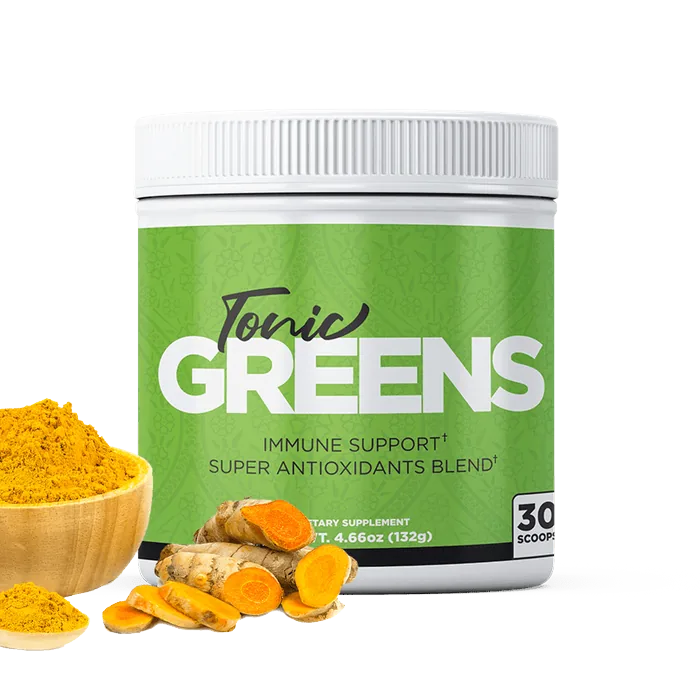
Tonic Greens is an ordinary greens powder: dried fruits and vegetables, mushrooms, a few herbs and a small probiotic blend, sweetened with stevia. Judged as a greens drink, it is easy to use and priced like many others in the category. The problem is how it is sold. The sales video promises to "activate the herpes kill switch", and a testimonial says the virus is gone. No supplement can do that, and believing it can may lead someone to skip treatment that works or to expose a partner. If you want a greens powder, it is one option; if you have herpes, see a doctor.
What we like
- Full label published on the contact page
- Simple: one scoop in water or a smoothie
- Vegan, dairy-free, soy-free, gluten-free label
- 60-day money-back guarantee
Keep in mind
- Herpes claims are misleading and unproven
- Proprietary blends hide most amounts
- "57 ingredients" on the page; fewer on the label
- Email-only support; you pay return shipping
Check Tonic Greens price on the official site →Opens the brand's official website · 60-day money-back guarantee
The jar says Tonic Greens ("immune support, super antioxidants blend"); the site sometimes writes it as TonicGreens. It is sold on phytogreens.net and distributed by PhytoThrive Labs.
Tonic Greens is a greens powder that you mix into water or a smoothie. Each 30-scoop jar contains a superfood blend of fruit and vegetable powders, three medicinal mushrooms, a herb blend with turmeric, green tea, eleuthero and ashwagandha, apple fiber and three probiotic strains. It is sold through tonic.phytogreens.net at $49 to $79 per jar, with a 60-day money-back guarantee. What makes it unusual is the marketing: the order page is built around herpes. This review explains what the powder is, what it can reasonably do, and why the herpes promise does not hold up.
First, a word about herpes
Herpes is caused by the herpes simplex virus (HSV-1 or HSV-2). After the first infection, the virus settles in nerve cells and stays in the body for life, sometimes waking up to cause sores and often causing no symptoms at all. There is no cure for herpes, and no supplement has been shown to remove the virus.
What does work is prescription antiviral medicine. Taken during an outbreak it shortens it, and taken every day it can make outbreaks rarer and lowers the chance of passing the virus to a partner. If you have sores, think you were exposed, or have a new diagnosis, a doctor or sexual health clinic can test you and prescribe treatment. Tonic Greens is a greens powder, a dietary supplement, not a herpes treatment.
What is inside Tonic Greens?
The contact page shows the Supplement Facts label. A scoop is 4.4 grams with 5 calories. Here is what it contains, next to what research supports.
| Ingredient (label) | What the brand says | What research supports |
|---|---|---|
| Superfood, antioxidant and mushroom blend, 3,000 mg (alfalfa, carrot, asparagus, beet, berries, broccoli, kale, spinach, spirulina, wheat grass, tomato, camu camu, tart cherry and more) | Quercetin, resveratrol and antioxidant sources that "cleanse" and support immunity | Dried fruit and vegetable powders add small amounts of plant compounds. Three grams spread across about 28 foods is far less than a serving of real vegetables. No antiviral effect shown. |
| Reishi, shiitake and maitake mushrooms (in the same blend) | "Supercharge the immune system" | Lab and early human studies on immune markers; no trials showing they prevent or clear viral infections. |
| Herbs and extracts blend, 1,000 mg (turmeric extract, green tea, eleuthero, ashwagandha, cinnamon, mangosteen, acacia gum, stevia) | Curcumin for a healthy inflammatory response | Turmeric and green tea are widely studied for other uses with mixed results; amounts here are not disclosed. Nothing shows an effect on herpes. |
| Apple fiber, 350 mg | Digestive support | A small amount of fiber, well below a single apple. |
| Probiotic blend, 22.5 mg (L. reuteri, B. coagulans, L. acidophilus) | Healthy digestion and absorption | Strain counts (CFU) are not listed. Probiotic benefits depend on the strain and dose; none is shown to affect herpes. |
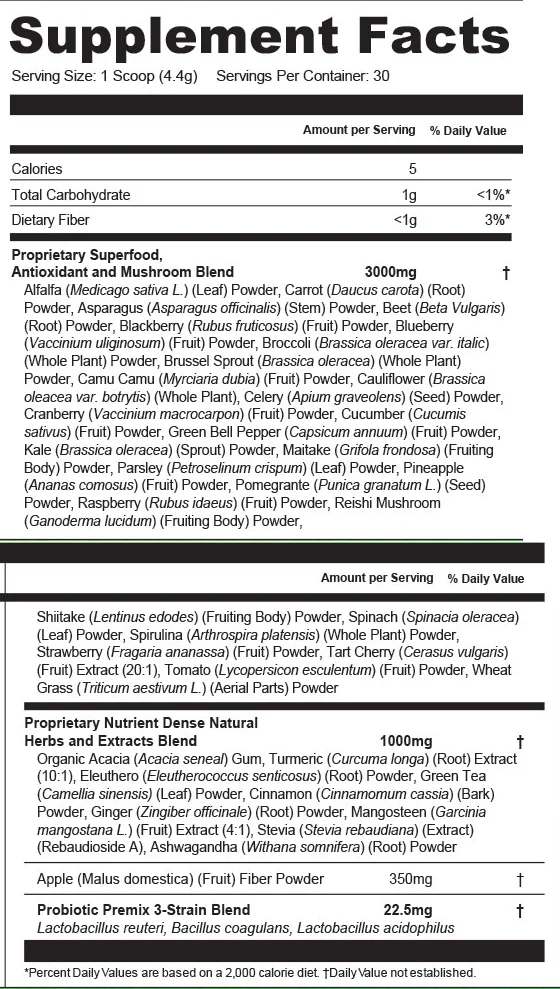
Two things stand out. First, most of the formula sits in proprietary blends, so you know the total weight of each blend but not how much turmeric, ashwagandha or green tea you get. Second, the home page promises "over 57" ingredients and names foods such as banana, coconut, orange, acerola cherry, concord grapes, apricot and Korean ginseng. We did not find those on the label; we counted around 40 ingredients. Trust the label on your jar over the sales page.
The contact page also shows a second label, for a capsule called Tonic Boost with banaba, bitter melon, gymnema, chromium and other blood-sugar herbs. That is a different product, likely offered after checkout, and it is not part of Tonic Greens.
Every ingredient, up close
Here is every active ingredient on the label, what it actually is, and what research does and does not show.

Alfalfa
In a 3,000 mg superfood, antioxidant and mushroom blend, amount not disclosedThe leaves and sprouts of a legume grown mostly as animal feed. Alfalfa supplies vitamin K, which matters if you take warfarin, and it is usually discouraged for people with lupus or other autoimmune conditions. There is no good human research on alfalfa for immunity or viral infections.
Photo: Hans B. / Public domain, via Wikimedia Commons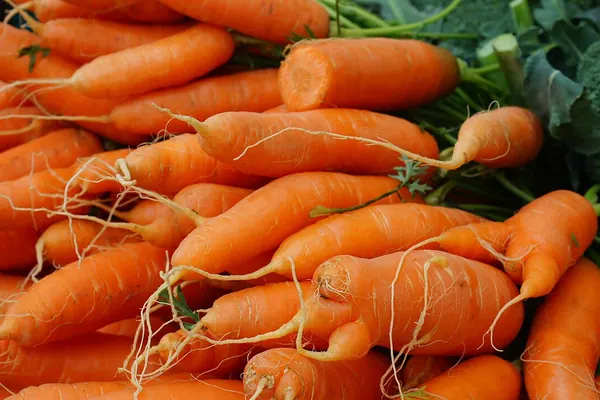
Carrot
In a 3,000 mg superfood, antioxidant and mushroom blend, amount not disclosedDried carrot powder adds beta-carotene and color. A fraction of a 3,000 mg blend is a tiny amount next to one real carrot.
Photo: domdomegg / CC BY 4.0, via Wikimedia Commons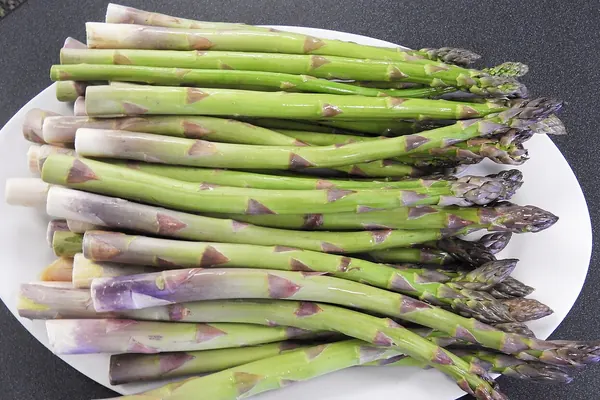
Asparagus
In a 3,000 mg superfood, antioxidant and mushroom blend, amount not disclosedA vegetable that contributes some folate and fiber. In powdered form and in an undisclosed share of the blend, expect a token amount.
Photo: Nutrition, Food Safety & Health / CC0, via Wikimedia Commons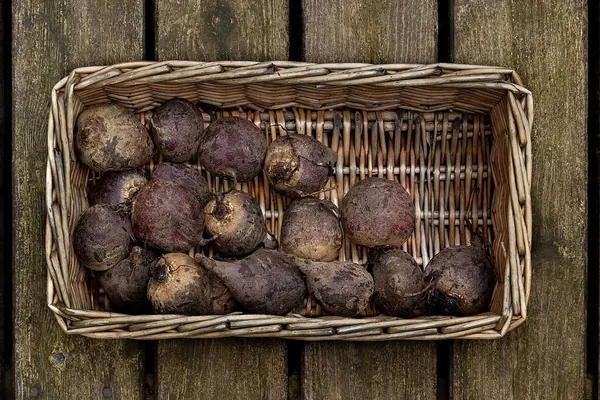
Beet
In a 3,000 mg superfood, antioxidant and mushroom blend, amount not disclosedBeets are a source of dietary nitrate, which has been studied for blood pressure and exercise when people drink a full glass of beet juice. A small share of a mixed powder is nowhere near that.
Photo: W.carter / CC BY-SA 4.0, via Wikimedia Commons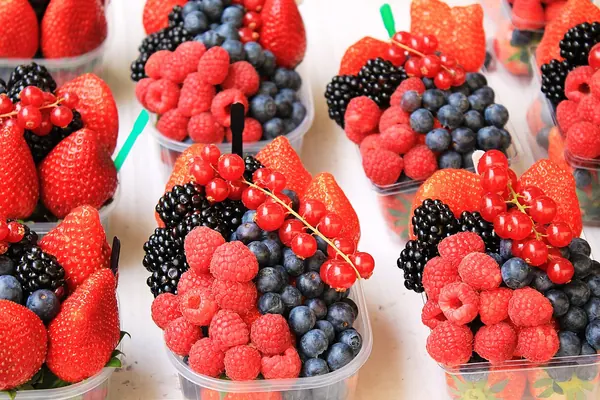
Berries
In a 3,000 mg superfood, antioxidant and mushroom blend, amount not disclosedThe label just says berries, without naming which ones. Berries are rich in anthocyanin pigments, but no amount is given, so the contribution is impossible to judge.
Photo: Øyvind Holmstad / CC BY-SA 3.0, via Wikimedia Commons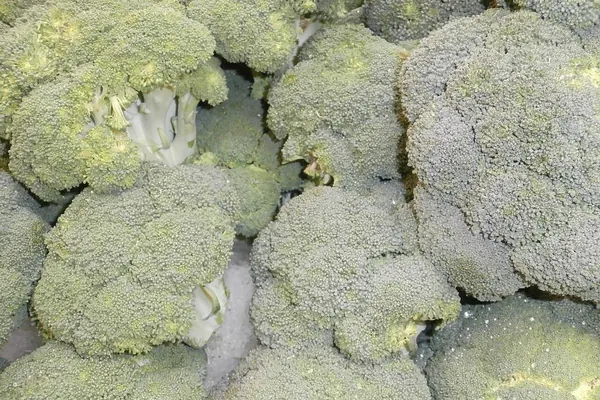
Broccoli
In a 3,000 mg superfood, antioxidant and mushroom blend, amount not disclosedBroccoli contains glucoraphanin, the precursor of sulforaphane, which is studied mostly in the lab and in early human trials. Drying and blending can reduce it, and the dose here is unknown.
Photo: Jeffery Martin / CC0, via Wikimedia Commons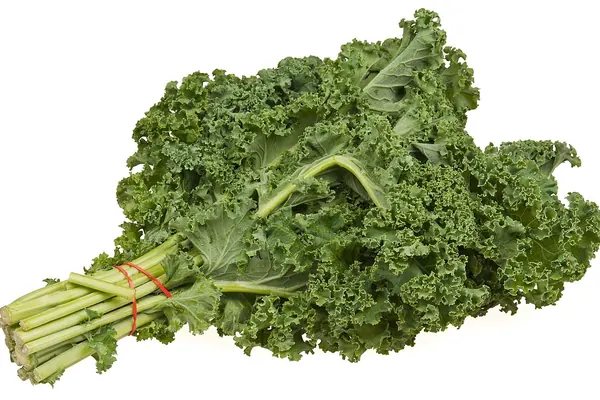
Kale
In a 3,000 mg superfood, antioxidant and mushroom blend, amount not disclosedA leafy green high in vitamin K and lutein. People on warfarin need steady vitamin K intake, so count greens powders as part of it.
Photo: Evan-Amos / CC0, via Wikimedia Commons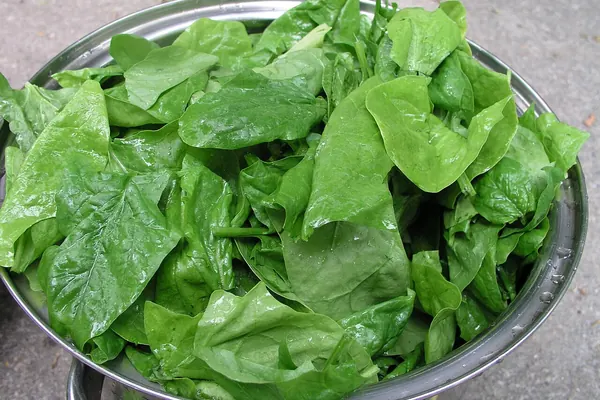
Spinach
In a 3,000 mg superfood, antioxidant and mushroom blend, amount not disclosedAnother vitamin K-rich leafy green, with some nitrate and oxalate. In a blend of this size, it mainly adds color and a little nutrition.
Photo: Nillerdk / CC BY 3.0, via Wikimedia Commons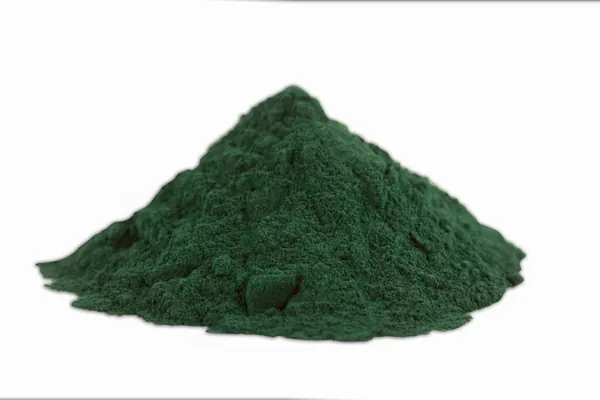
Spirulina
In a 3,000 mg superfood, antioxidant and mushroom blend, amount not disclosedA blue-green alga (cyanobacterium) sold as a protein-rich powder. NCCIH notes that blue-green algae products can be contaminated with toxins or heavy metals if not tested, and spirulina may stimulate the immune system, which is a caution in autoimmune disease. Evidence for immune benefits in people is limited.
Photo: Music4thekids / CC BY-SA 3.0, via Wikimedia Commons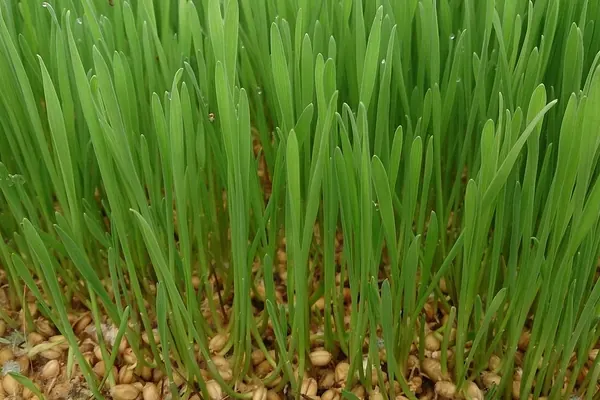
Wheat grass
In a 3,000 mg superfood, antioxidant and mushroom blend, amount not disclosedThe young shoots of the wheat plant. Popular in juice bars, but there is very little human research behind the health claims made for it.
Photo: Mokkie / CC BY-SA 3.0, via Wikimedia Commons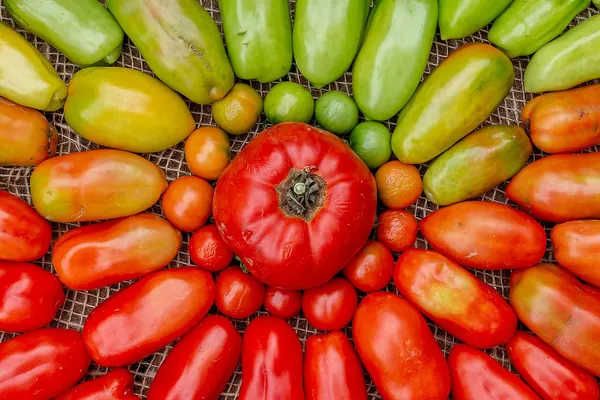
Tomato
In a 3,000 mg superfood, antioxidant and mushroom blend, amount not disclosedTomato is the best-known food source of lycopene. Research on lycopene mostly comes from diet studies of whole tomato products, not a pinch of powder.
Photo: Michal Klajban / CC BY-SA 4.0, via Wikimedia Commons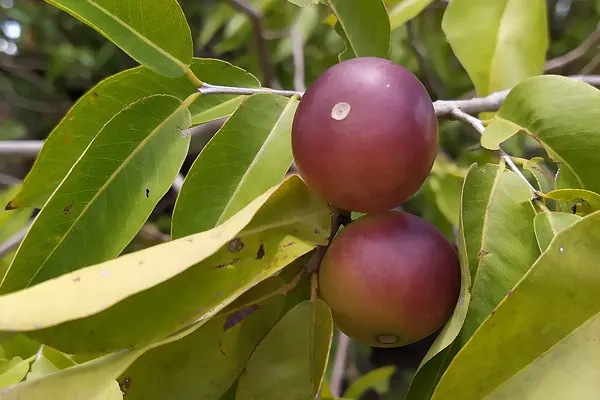
Camu camu
In a 3,000 mg superfood, antioxidant and mushroom blend, amount not disclosedAn Amazonian fruit known for very high vitamin C content. The label does not say how much vitamin C a scoop provides, and most people already get enough from food.
Photo: Túllio F / CC BY-SA 4.0, via Wikimedia Commons
Tart cherry
In a 3,000 mg superfood, antioxidant and mushroom blend, amount not disclosedTart cherry juice and concentrate have small studies on muscle soreness after exercise and on sleep. Those used full servings of juice; a share of a mixed powder is far less.
Photo: böhringer friedrich / CC BY-SA 2.5, via Wikimedia Commons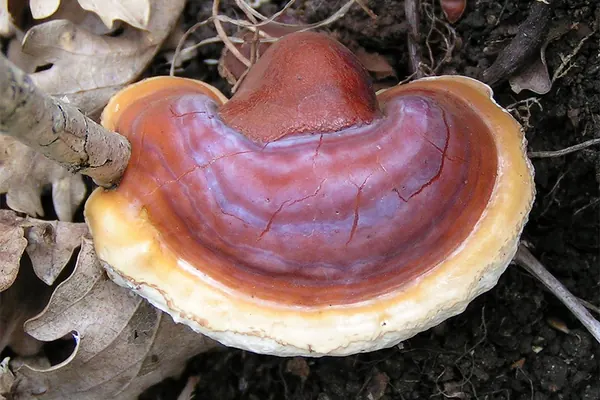
Reishi mushroom
In a 3,000 mg superfood, antioxidant and mushroom blend, amount not disclosedA woody mushroom used in traditional Chinese medicine. Studies on immune markers are mostly in the lab or small and early in people, and there are rare reports of liver problems with reishi powder. Nothing shows it prevents or clears viral infections.
Photo: Eric Steinert / CC BY-SA 3.0, via Wikimedia Commons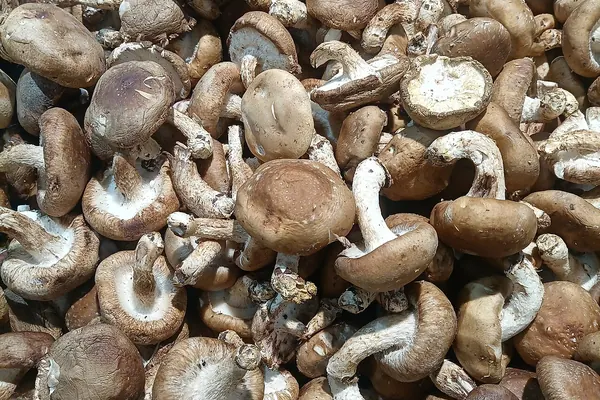
Shiitake mushroom
In a 3,000 mg superfood, antioxidant and mushroom blend, amount not disclosedAn everyday culinary mushroom that contains beta-glucans such as lentinan. Human evidence for immune benefits from small amounts is weak.
Photo: Fumikas Sagisavas / CC0, via Wikimedia Commons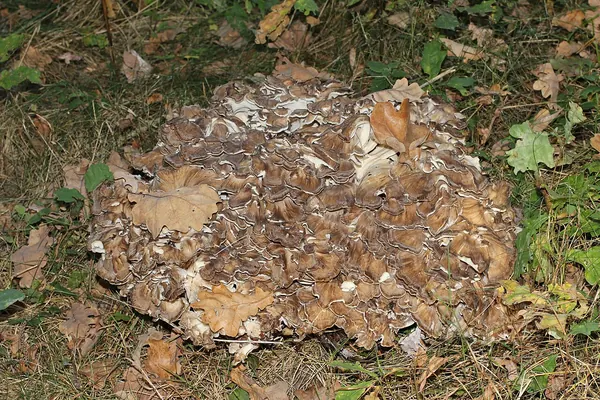
Maitake mushroom
In a 3,000 mg superfood, antioxidant and mushroom blend, amount not disclosedAlso called hen of the woods, studied in the lab for beta-glucans and immune effects. It may lower blood sugar a little, which matters if you take diabetes medicine.
Photo: George Chernilevsky / Public domain, via Wikimedia Commons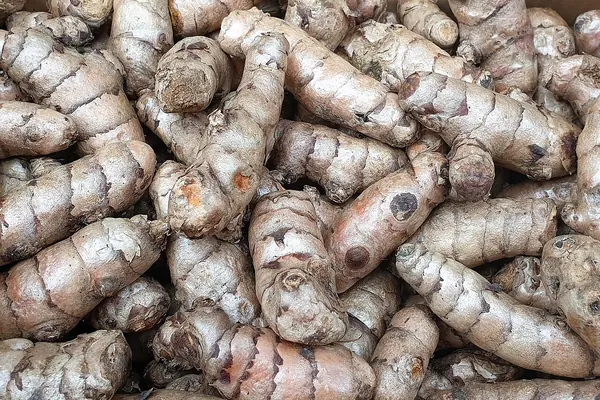
Turmeric extract
In a 1,000 mg herbs and extracts blend, amount not disclosedThe root of Curcuma longa and the source of curcumin. NCCIH says turmeric has been studied for many conditions with mixed results, and curcumin is poorly absorbed. Its amount here is not disclosed, so we cannot compare it with the doses in studies, and it may add to bleeding risk with blood thinners.
Photo: Emőke Dénes / CC BY-SA 4.0, via Wikimedia Commons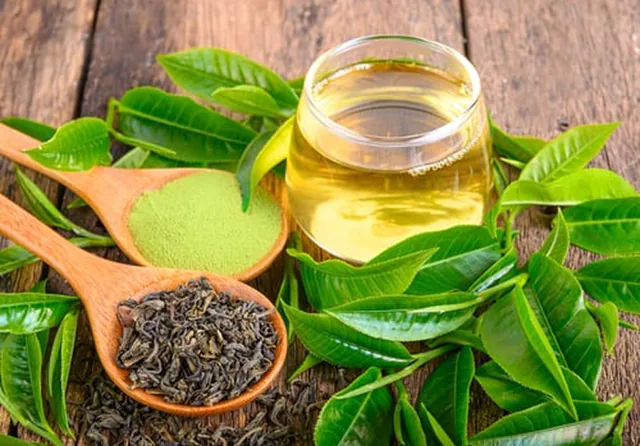
Green tea
In a 1,000 mg herbs and extracts blend, amount not disclosedLeaves of Camellia sinensis, which supply catechins and a little caffeine. NCCIH notes that concentrated green tea extracts have been linked to rare liver injury; the amount here is not given.
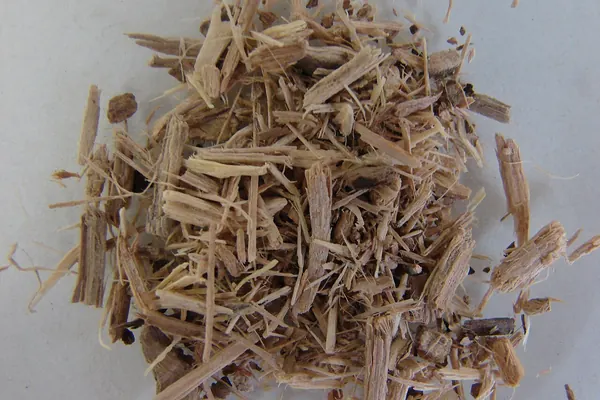
Eleuthero
In a 1,000 mg herbs and extracts blend, amount not disclosedThe root of a Siberian shrub, sometimes sold as "Siberian ginseng" although it is not true ginseng. Studies on fatigue and immunity are mixed and mostly small.
Photo: Maša Sinreih in Valentina Vivod / CC BY-SA 3.0, via Wikimedia Commons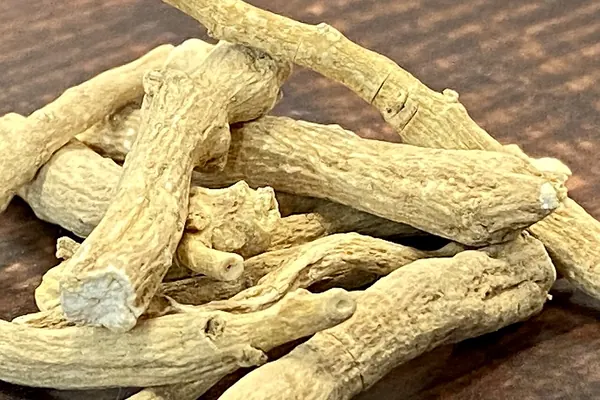
Ashwagandha
In a 1,000 mg herbs and extracts blend, amount not disclosedAn Ayurvedic root with some evidence for stress and sleep in trials that typically used a few hundred milligrams of extract a day. Here it shares a 1,000 mg blend with seven other ingredients, so you likely get much less. NIH notes it can affect thyroid hormone levels and has been linked to rare liver injury.
Photo: Formulatehealth.com / CC BY 2.0, via Wikimedia Commons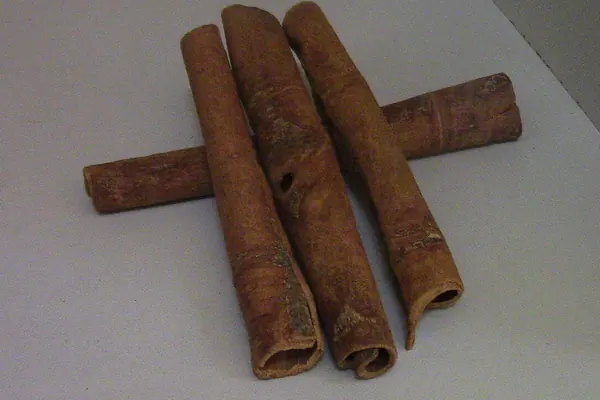
Cinnamon
In a 1,000 mg herbs and extracts blend, amount not disclosedMostly a flavoring here. Cinnamon has been tested for blood sugar with inconsistent results, and cassia cinnamon contains coumarin, which can stress the liver in large amounts.
Photo: NanaYawBotar / CC BY-SA 4.0, via Wikimedia Commons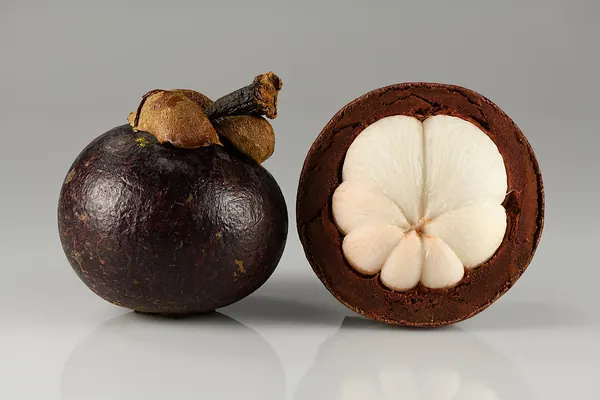
Mangosteen
In a 1,000 mg herbs and extracts blend, amount not disclosedA Southeast Asian fruit whose rind contains xanthones. Lab studies are interesting; human research is very limited.
Photo: Ivar Leidus / CC BY-SA 4.0, via Wikimedia Commons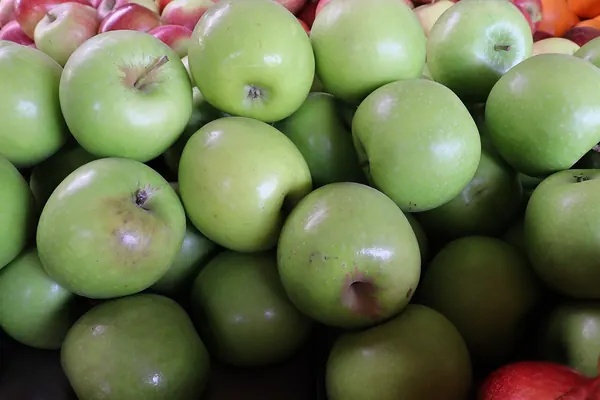
Apple fiber
350 mgDried fiber from apples, including pectin (pictured: apples, the fruit the fiber comes from). At 350 mg it is a small amount: a medium apple has roughly 4 grams of fiber, more than ten times as much.
Photo: safaritravelplus / CC0, via Wikimedia CommonsL. reuteri
In a 22.5 mg probiotic blend, CFU not listedA probiotic species; specific strains have been studied for things like infant colic. Benefits depend on the exact strain and dose, and the label names neither the strain nor the count.
B. coagulans
In a 22.5 mg probiotic blend, CFU not listedA spore-forming probiotic that survives stomach acid well. Some strains have small trials for digestive symptoms, but without a CFU count you cannot compare this product with them.
L. acidophilus
In a 22.5 mg probiotic blend, CFU not listedOne of the most common probiotic species. NCCIH notes that probiotic effects are strain-specific; nothing shows it affects herpes.
Why a greens powder cannot "kill" herpes
The order page headline is "Activate the herpes kill switch with this simple morning ritual". One testimonial says the virus is gone and that nine tests came back negative after about three weeks. This does not match how herpes works. The virus hides inside nerve cells, out of reach of the immune system, which is why even prescription antivirals control herpes rather than cure it. Blood tests for herpes look for antibodies, which usually stay positive for life once someone is infected, so a run of negative tests after a powder is not a believable outcome.
A healthy diet, sleep and stress control are good for overall health, and some people notice outbreaks after stress or illness. But nothing in Tonic Greens has been shown in human trials to prevent outbreaks, shorten them or clear the virus. The page's own fine print says the product is not intended to diagnose, treat, cure or prevent any disease.
Check Tonic Greens price on the official site →Opens the brand's official website · 60-day money-back guarantee
How to take Tonic Greens
The label says to add one scoop to 8 to 16 oz of water, coconut milk, rice milk, almond milk or a smoothie, one or two times a day. At one scoop a day a jar lasts 30 days; at two, about 15. Start with one scoop to see how your stomach handles the fiber and probiotics. Do not exceed the label dose.
How much does Tonic Greens cost?
The official order page sells three packages.
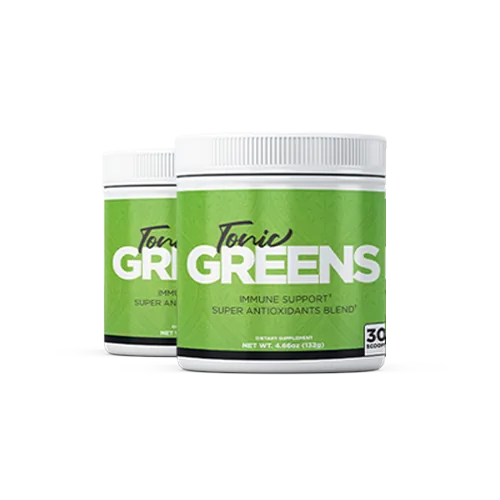 2 jars60-day supply$79 /jar$158 · + shipping feeCheck availability →Best value
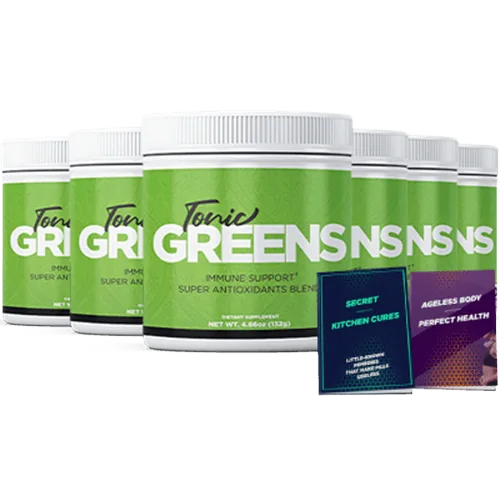 6 jars180-day supply$49 /jar$294 · free US shipping + 2 e-booksCheck availability →
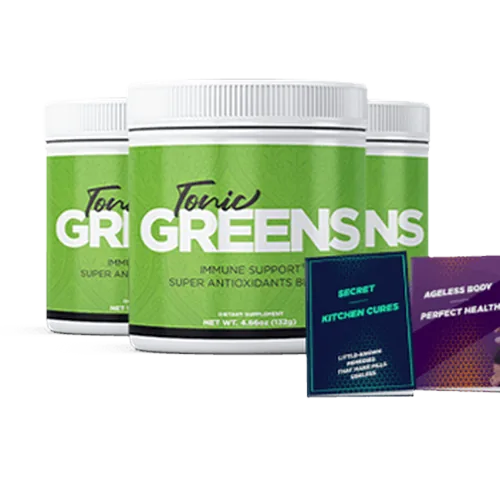 3 jars90-day supply$59 /jar$177 · + shipping fee, 2 e-booksCheck availability →
| Package | Supply | Price per jar | Total | Extras |
|---|---|---|---|---|
| 2 jars | 60-day supply | $79 | $158 | + shipping fee |
| 6 jars | 180-day supply | $49 | $294 | free US shipping + 2 e-books |
| 3 jars | 90-day supply | $59 | $177 | + shipping fee, 2 e-books |
Prices as listed on the official order page when we checked. The "supply" assumes one scoop a day; the label allows up to two. Prices change from time to time, so the checkout page is the final word.
About shipping: the 2 and 3-jar packages show "+ small shipping fee", and the 6-jar package ships free. The shipping page lists $9.95 or free depending on quantity in the mainland US (5 to 8 business days), 12 to 20 business days for Alaska and Hawaii, and $19.95 with 12 to 20 business days for Canada, the UK, Ireland, Australia and New Zealand. The bonuses are two e-books, Ageless Body Perfect Health and Secret Kitchen Cures; on the 2-jar package, the desktop and mobile versions of the page disagree about whether they are included. The site does not say in writing that orders are one-time payments, so read the checkout page carefully before you pay.
How the 60-day guarantee works

Orders from the official Tonic Greens store are covered by a 60-day money-back guarantee. Read the total and the terms on the checkout page before you pay.
The refund page gives you 60 days from the date your order ships, not from delivery. Email support@phytogreens.net, then send all the jars back to 19655 E 35th Dr #100, Aurora, CO 80011, USA. Two things to know:
- You pay return shipping, and the page asks for all the jars back. It does not say clearly whether empty jars count, so ask support before you throw any away.
- Support is by email. Order questions go to BuyGoods; product questions to the brand. We found no phone line.
Who should talk to a doctor before taking Tonic Greens?
- Anyone who has, or thinks they have, herpes: see a doctor or a sexual health clinic for testing and prescription antiviral treatment. Do not replace that treatment with a supplement.
- Anyone on warfarin or other blood thinners: kale, spinach, broccoli and alfalfa contain vitamin K, and turmeric can add to bleeding risk.
- People with autoimmune conditions such as lupus: alfalfa and immune-stimulating mushrooms are usually discouraged; ask your doctor.
- People with thyroid disease, liver problems or who take sedatives: ashwagandha can affect thyroid hormone levels and has been linked to rare liver injury.
- People with a weakened immune system: ask before taking any probiotic product.
- People taking diabetes medicine: cinnamon and some of the herbs may lower blood sugar a little.
- Pregnant or breastfeeding women and anyone under 18: the label says not to use it.
Common side effects of greens powders are bloating, gas or loose stools in the first days, mostly from fiber and probiotics. Stop and get advice if you develop a rash, stomach pain or yellowing of the skin or eyes.
What to realistically expect
If you take Tonic Greens, the honest expectation is that of any greens drink: a convenient way to add some plant foods and a small dose of herbs to your day. Some people feel more regular or simply like having a morning routine. Do not expect it to change herpes outbreaks, and do not stop prescribed antivirals. If you want to judge it as a greens powder, use it daily for a month and decide before 60 days from shipping, so the guarantee still applies.
Our verdict
As a greens powder, Tonic Greens is unremarkable but reasonable: a published label, a broad mix of plant powders and a 60-day refund. As a herpes product, it does not hold up, because nothing in it has been shown to affect the virus and the sales page makes promises no supplement can keep. If you like greens powders and have checked the safety list, it is one option from the official site. If you have herpes, the most effective step is a visit to a doctor.
Check Tonic Greens price on the official site →Opens the brand's official website · 60-day money-back guarantee
Your doubts, answered honestly
Is Tonic Greens a scam?
Some things can be checked: the full Supplement Facts label is published on the contact page, orders go through BuyGoods, returns go to a real warehouse address in Aurora, Colorado, and there is a written 60-day refund policy. What does not check out is the herpes promise. Nothing on the label has been shown to remove or control the virus, and a run of negative tests after a powder is not a believable result. So: a real product, sold with a claim we cannot back.
Can it really get rid of my herpes?
No. Herpes stays in nerve cells for life and has no cure, which is why even prescription antivirals control it rather than eliminate it. If you have herpes, those medicines are what work for outbreaks and for lowering the chance of passing it on. A greens powder is a nutrition habit, not a treatment.
Why does it cost $49 to $79 a jar?
At one scoop a day, the 6-jar package works out to about $1.63 a day and the 2-jar package to about $2.63 a day, before shipping. That is in the range of many greens powders. If one ingredient is what you really want, such as ashwagandha or a probiotic, single-ingredient supplements are usually much cheaper and list the dose.
Will I feel anything?
Possibly a little more regularity from the fiber and probiotics, or simply a morning routine you enjoy. Most amounts sit inside proprietary blends, so we cannot say whether any herb reaches the doses used in studies. People who already eat plenty of vegetables are the least likely to notice a difference.
Is it safe with my medication?
For most healthy adults a greens powder is low risk. Ask your doctor first if you take warfarin or other blood thinners (vitamin K greens, turmeric), diabetes medicine (cinnamon and other herbs), thyroid medicine or sedatives (ashwagandha), or if you have an autoimmune condition or a weakened immune system. The label says it is not for pregnant or breastfeeding women or anyone under 18.
What if it does not work for me?
The refund page gives you 60 days from the date your order ships. Email support@phytogreens.net first, then send all the jars back to the Aurora, Colorado address. You pay return shipping, and the page does not say clearly whether empty jars count, so ask support before throwing any away.
Do you get paid if I buy?
Yes. If you buy through our buttons we may earn a commission, at no extra cost to you. It does not change the price or what we write, which is why this page says plainly that the herpes claims do not hold up. The buttons take you to the brand's own site.
Frequently asked questions
Does Tonic Greens cure herpes?
No. Herpes has no cure; the virus stays in nerve cells for life. Prescription antivirals such as acyclovir and valacyclovir control outbreaks and lower the risk of transmission. Tonic Greens is a greens powder and has not been tested against herpes.
What are the ingredients in Tonic Greens?
The label lists a 3,000 mg superfood, antioxidant and mushroom blend (fruit and vegetable powders, spirulina, wheat grass, reishi, shiitake and maitake), a 1,000 mg herb blend (turmeric, green tea, eleuthero, ashwagandha, cinnamon, mangosteen, acacia gum, stevia), 350 mg apple fiber and a 22.5 mg probiotic blend. Amounts inside each blend are not given.
How do you take Tonic Greens?
The label says one scoop (4.4 g) one or two times a day, mixed into 8 to 16 oz of water, plant milk or a smoothie.
How much does Tonic Greens cost?
2 jars for $158 or 3 jars for $177, both plus a shipping fee, or 6 jars for $294 with free US shipping. The 3 and 6-jar packages include two e-books.
Is Tonic Greens safe?
For most healthy adults a greens powder is low risk, but check with your doctor if you take blood thinners, diabetes or thyroid medicine, have an autoimmune disease or a weakened immune system, or are pregnant.
Who pays return shipping on Tonic Greens?
The customer. The refund page says to send all jars back to the Aurora, Colorado warehouse and that return shipping costs are not covered.
Related reading
 Legit or scam?
Is Tonic Greens legit or a scam?
Tonic Greens has a real checkout, a published label and a Colorado returns address. It is also sold with herpes claims that do not hold up. Here is what to know before you pay.
Read more →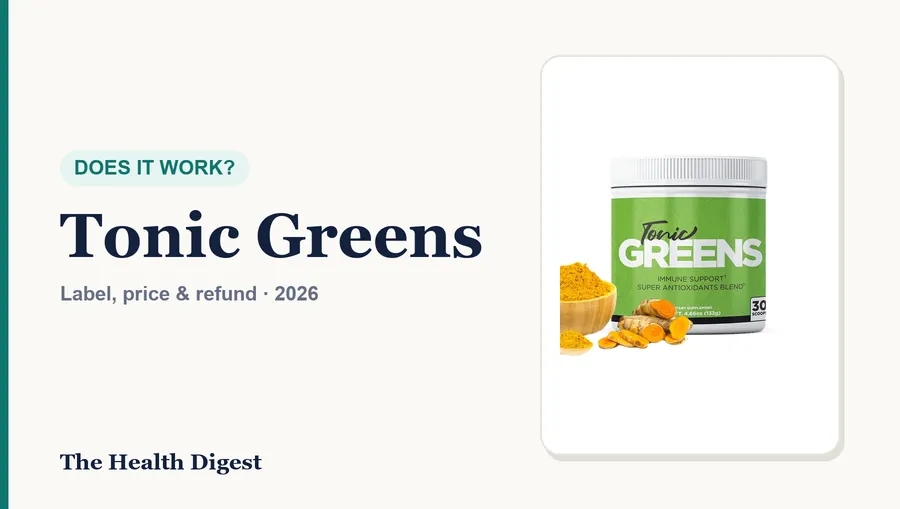 Review
Does Tonic Greens work?
Tonic Greens is sold as a way to beat herpes. Here is how the virus actually behaves, what each label ingredient has been shown to do, and what a greens powder can realistically offer.
Read more → Review
Glycovit review
Glycovit is a liquid dropper supplement marketed for blood sugar balance, metabolism and energy. We read the label, the order page and the refund policy so you know what you are buying before you pay.
Read more →
Buy it from the official store so the guarantee applies, and keep your order email until you decide.
Check Tonic Greens price on the official site →Opens the brand's official website · 60-day money-back guaranteeSources
- Tonic Greens official order page (video presentation), home page, contact page with product labels, refund policy, shipping policy and terms (tonic.phytogreens.net), accessed October 2026
- MedlinePlus: Genital Herpes. medlineplus.gov/genitalherpes.html
- MedlinePlus: Cold Sores. medlineplus.gov/coldsores.html
- NCCIH: Turmeric. nccih.nih.gov/health/turmeric
- NCCIH: Probiotics: What You Need To Know. nccih.nih.gov
- NIH Office of Dietary Supplements: Ashwagandha, Health Professional Fact Sheet. ods.od.nih.gov
- NCCIH: Green Tea. nccih.nih.gov/health/green-tea