NerveCell and alpha lipoic acid answer the same search but not the same question. ALA is a single, heavily studied antioxidant whose latest systematic review is cautious about the benefit; NerveCell is a five-botanical comfort formula built on traditionally calming herbs, sold with a clear label, one-time payment and a 60-day guarantee. If you specifically wanted ALA, NerveCell is not that product. If you want a gentle botanical routine alongside care your doctor is already managing, it is a straightforward option, provided you take the sedation and driving cautions seriously.
What we like
- Every ingredient and amount is printed on the label, with no proprietary blend
- Simple routine: two capsules a day with a glass of water
- One-time payment with no subscription, and a 60-day money-back guarantee
- Caffeine-free and stimulant-free
Keep in mind
- Contains no alpha lipoic acid, if that is what you came looking for
- Several ingredients are traditionally sedating, so driving and alcohol need thought
- The brand's return pages give two different versions of what to send back
Check NerveCell price on the official site →Opens the brand's official website · money-back guarantee
Type tingling or burning feet into a search bar and two kinds of results come back: supplements with nerve-sounding names, and page after page about alpha lipoic acid, the compound most often discussed for nerve symptoms. It is reasonable to assume that a nerve supplement contains it. NerveCell does not. Its Supplement Facts panel lists five botanicals and no alpha lipoic acid at all. That is not a gotcha, it is a design decision, and this page explains what each approach is built around, what the research on ALA genuinely found, and the symptoms that should send you to a doctor before you buy anything.
What is on the NerveCell label?
The panel is short and every amount is printed, which is more than many products in this aisle manage.
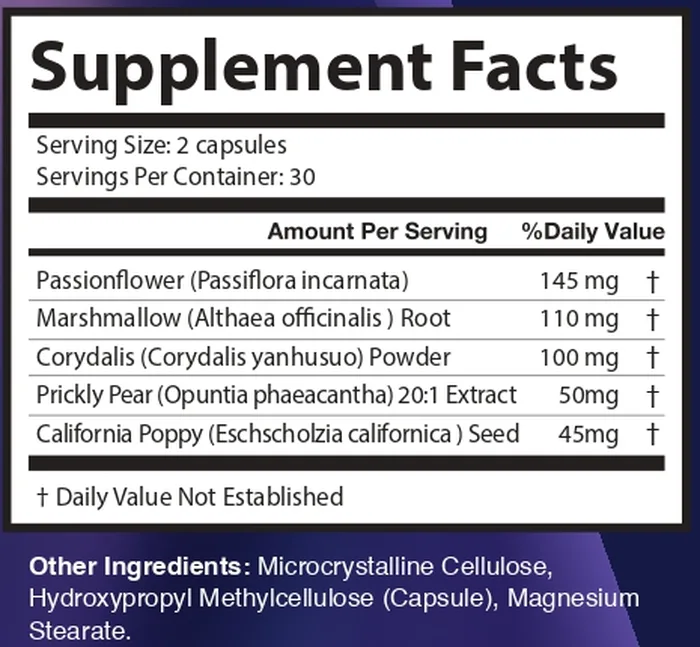
| Per 2-capsule serving | Amount | What it is |
|---|---|---|
| Passionflower (Passiflora incarnata) | 145 mg | A traditional calming herb |
| Marshmallow (Althaea officinalis) root | 110 mg | A mucilage-rich root used traditionally as a soother |
| Corydalis (Corydalis yanhusuo) powder | 100 mg | A root used in traditional Chinese medicine for discomfort |
| Prickly pear (Opuntia phaeacantha) 20:1 extract | 50 mg | A cactus extract with antioxidant compounds |
| California poppy (Eschscholzia californica) seed | 45 mg | A traditional relaxing herb |
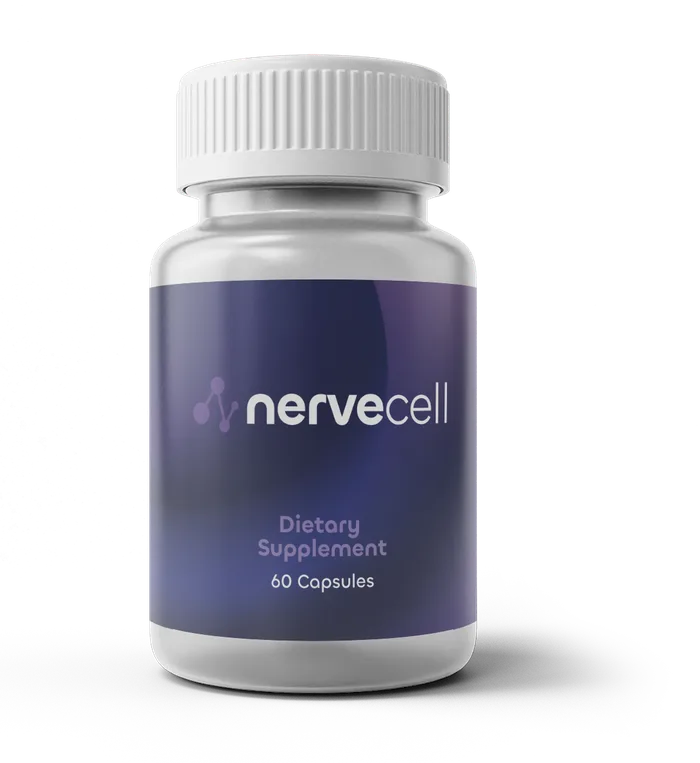
Other ingredients are microcrystalline cellulose, the hypromellose capsule shell and magnesium stearate. The label revision is REV 11/25, a bottle holds 60 capsules, and the suggested use is two capsules daily with 8 oz of water.
Look at that list as a whole and a pattern appears: three of the five are herbs traditionally associated with calm and rest, not with nerve repair. That tells you more about what the formula is going for than any headline on the sales page does.
And what is alpha lipoic acid?
Alpha lipoic acid, also written as thioctic acid or ALA, is a compound your own cells make. It plays a role in energy metabolism inside mitochondria and acts as an antioxidant, and unusually it is soluble in both water and fat. It is sold as a stand-alone supplement and, in some countries, used under medical supervision in a prescription form.
ALA became the best-known name in this category for one reason: it has been studied in people, specifically in adults with diabetic peripheral neuropathy, over several decades and in several randomized trials. That volume of research is genuinely rare for anything sold on a supplement shelf, and it is why so many search results lead to it.
What did the alpha lipoic acid research actually find?
This is where honesty matters more than enthusiasm, in both directions.
- Early positive signals. The SYDNEY 2 trial (Ziegler and colleagues, Diabetes Care, 2006) randomized 181 adults with diabetic distal symmetric polyneuropathy to oral ALA or placebo for five weeks and reported improvement in sensory symptoms.
- A long-term test that fell short. The NATHAN 1 trial (2011) followed 460 adults for four years on 600 mg of oral ALA a day or placebo. Its primary composite endpoint was not met, although the authors reported some improvement in neuropathic deficits.
- The most recent summary. A 2024 Cochrane systematic review (Baicus and colleagues) pooled the trials and concluded that ALA probably has little or no effect on neuropathy symptoms or adverse events at six months, and may have little or no effect on impairment at six months.
Two fair conclusions follow. First, alpha lipoic acid is the most-researched ingredient in this entire category and it was generally well tolerated in those trials, which is a point in its favor. Second, the best current synthesis of that research is cautious, so "clinically proven" is not an accurate description of it either. Anyone selling you certainty about ALA is selling past the evidence.
What has research looked at for the NerveCell botanicals?
Very different, and much earlier. Again, research describes ingredients, not this finished product: no trial of NerveCell has been published, and we found no trials of these herbs in peripheral neuropathy specifically.
- Passionflower. NCCIH says a small amount of research suggests it might reduce anxiety and improve total sleep time, and that there is not enough evidence for other uses. The sleep study most often cited used passionflower tea.
- Corydalis. The discomfort research is mostly animal and laboratory work; the study quoted on the sales page was carried out in mice. Human data are very limited, including a small 2004 trial using a cold-pressor pain test in which corydalis was combined with another herb.
- Marshmallow root. The evidence cited for it is in vitro, in cell cultures. Its traditional use is as a soothing mucilage, not as a nerve ingredient.
- California poppy. The commonly cited studies date from 1991 and 2001 and were done in animals. Human evidence exists mainly for combination products aimed at sleep and anxiety.
- Prickly pear. We found no human studies on nerve symptoms for Opuntia.
Check NerveCell price on the official site →Opens the brand's official website · money-back guarantee
Side by side: what each approach is for
| Alpha lipoic acid | NerveCell | |
|---|---|---|
| What it is | A single antioxidant compound the body also makes | A five-botanical capsule formula |
| Studied population | Adults with diabetic peripheral neuropathy | No trial of the finished product |
| Strength of evidence | Large but mixed; the 2024 Cochrane review is cautious | Early ingredient research, mostly animal, lab or sleep and anxiety |
| Style of ingredient | Metabolic and antioxidant | Traditionally calming and soothing herbs |
| Typical routine | Capsules or tablets, often taken on an empty stomach | 2 capsules daily with 8 oz of water |
| Stimulants | None | None |
| Where it is sold | Widely, as a single ingredient | Official website, one-time payment, 60-day guarantee |
Put simply: ALA is a single-compound bet with a real research record and a cautious verdict. NerveCell is a botanical comfort formula whose ingredients are better known for calm and rest than for nerves. Neither is a treatment, and no study has ever compared them.
The red flags: when to stop shopping and see a doctor
This is the most important section on the page, and it applies whichever product you were considering.
New, spreading or worsening tingling, numbness, burning or weakness needs a diagnosis, not a supplement. As the NIH's NINDS explains, peripheral neuropathy is a symptom with many possible causes, and several of them are treatable once identified:
- Diabetes or prediabetes, the most common cause in the United States. Nerve damage in the feet also raises the risk of unnoticed injuries and foot ulcers, which is why anyone with diabetes should have their feet examined rather than self-managed.
- Vitamin B12 deficiency, which is correctable and is detected with a blood test. It is more common in older adults, in people who eat little or no animal food, after certain stomach or bowel surgery, and in people taking metformin or long-term acid-reducing medication.
- Alcohol, which is a recognized cause of nerve damage.
- Medications, including some chemotherapy drugs and certain antibiotics.
- Thyroid disease, kidney disease, autoimmune conditions, infections and nerve compression such as a pinched nerve or carpal tunnel.
Symptoms that deserve urgent attention rather than a shopping cart: sudden weakness, symptoms climbing up the legs, loss of balance or falls, loss of bladder or bowel control, or any wound, blister or color change on a foot that has lost sensation. A supplement cannot find the cause, and the cause is the thing worth finding.

Safety: the cautions that come with calming herbs
NerveCell's label says not to exceed the suggested serving, and that pregnant or nursing women, under-18s and anyone with a medical condition should ask a physician. The ingredients add specific points:
- Drowsiness and driving. Passionflower, California poppy and corydalis are all traditionally sedating, and NCCIH lists drowsiness, dizziness and confusion among passionflower's reported effects. Take the first few doses at a time when you are not about to drive or operate machinery, and see how you respond.
- Alcohol and sedating medication. Combining sedating herbs with alcohol, sleep medication, benzodiazepines, opioids or gabapentinoids can compound drowsiness. Ask your pharmacist, who can check your full list in a minute.
- Surgery and anesthesia. Passionflower may interact with anesthesia, so tell your surgical team about any supplement and stop well before a scheduled procedure.
- Pregnancy. Passionflower should not be used in pregnancy, as it may cause uterine contractions.
- Liver. Reports of liver injury linked to corydalis exist in the literature, so anyone with liver disease should ask a doctor first.
Alpha lipoic acid carries its own list, including effects on blood sugar that matter for anyone taking diabetes medication, so that conversation belongs with your doctor too rather than with a comparison page.
Price, guarantee and where it is sold
NerveCell is sold through its official website with a BuyGoods checkout, as a one-time payment with no subscription or rebill.
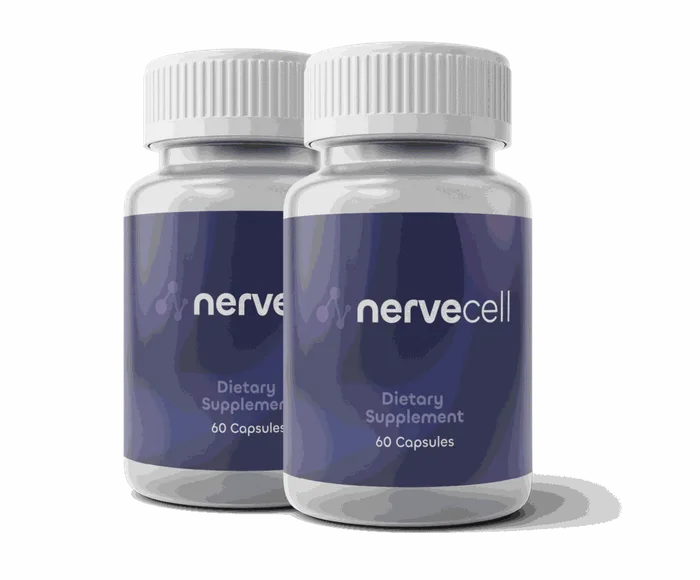 2 bottles60-day supply$79 /bottle$158 · + shippingCheck availability →Best value
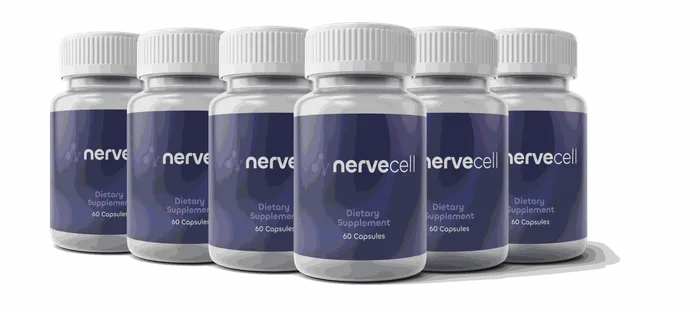 6 bottles180-day supply$49 /bottle$294 · free shipping + bonusesCheck availability →
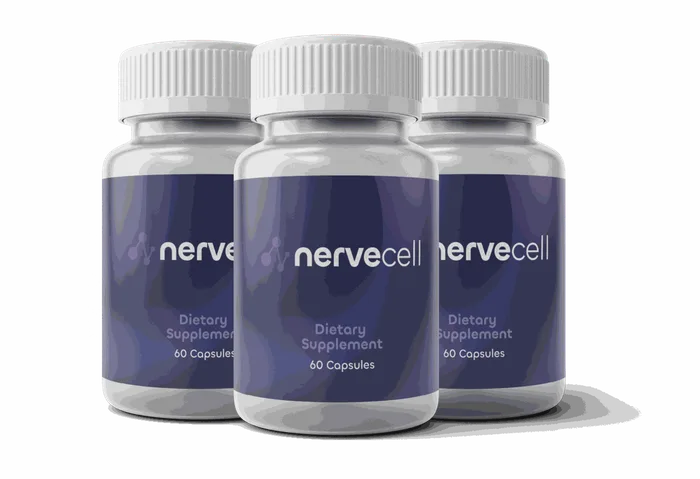 3 bottles90-day supply$69 /bottle$207 · free US shippingCheck availability →

Every order from the official NerveCell store is covered by a 60-day money-back guarantee, and it is a one-time payment with no subscription.
The guarantee runs 60 days from the order date and the customer pays return postage; original shipping is not refunded. One thing to settle in writing before you return anything: the support pages publish two versions of the rule, one saying to send back all bottles "empty, full or partially full" and another saying only unused bottles in perfect condition. Email support, ask which applies to your order, and keep the reply. The full walkthrough is in our NerveCell review, and the authenticity and copycat-domain questions are covered in is NerveCell legit.
So which should you choose?
If you came specifically for alpha lipoic acid, NerveCell is not the product, and that is worth saying plainly rather than hoping you do not notice. Read the Cochrane conclusion above, talk to your doctor, and decide about ALA on its own merits.
If what you want is a simple, stimulant-free botanical routine built on calming herbs with every amount printed on the label, NerveCell is a clear, honestly labeled option with a one-time price and 60 days to change your mind. Just keep it in its proper place: alongside the diagnosis, the blood tests and the treatment your doctor is managing, never instead of them.
Check NerveCell price on the official site →Opens the brand's official website · money-back guarantee
Frequently asked questions
Does NerveCell contain alpha lipoic acid?
No. The NerveCell Supplement Facts label lists passionflower, marshmallow root, corydalis, prickly pear extract and California poppy, and no alpha lipoic acid.
Is alpha lipoic acid proven to work for nerve symptoms?
It is the most-studied ingredient in this category, but a 2024 Cochrane review concluded it probably has little or no effect on neuropathy symptoms at six months. It is not accurate to call it clinically proven.
Can I take NerveCell and alpha lipoic acid together?
Ask your doctor or pharmacist first. Alpha lipoic acid can affect blood sugar, which matters if you take diabetes medication, and NerveCell contains several traditionally sedating herbs.
Can NerveCell make me drowsy?
It can. Passionflower, California poppy and corydalis are traditionally sedating, and drowsiness and dizziness are reported with passionflower. Try your first doses when you are not driving or using machinery.
My feet have started tingling. Should I just take a supplement?
No. New or worsening tingling and burning needs a diagnosis, because diabetes, vitamin B12 deficiency, alcohol, thyroid disease and certain medications are common and often treatable causes.
How do I take NerveCell?
The label says two capsules daily with 8 oz of water. A bottle holds 60 capsules, which is 30 servings, so one bottle is about a month.
Related reading
 Review
Does NerveCell work?
Every ingredient in NerveCell has research behind it. The useful question is what kind of research, because test tubes, mice and people are not the same rung of the same ladder.
Read more → Legit or scam?
Is NerveCell legit or a scam?
NerveCell has a real label, a working checkout and a published returns address. It also has a blank homepage, four look-alike domains and a label typo. Here is how to sort the red flags from the rough edges.
Read more →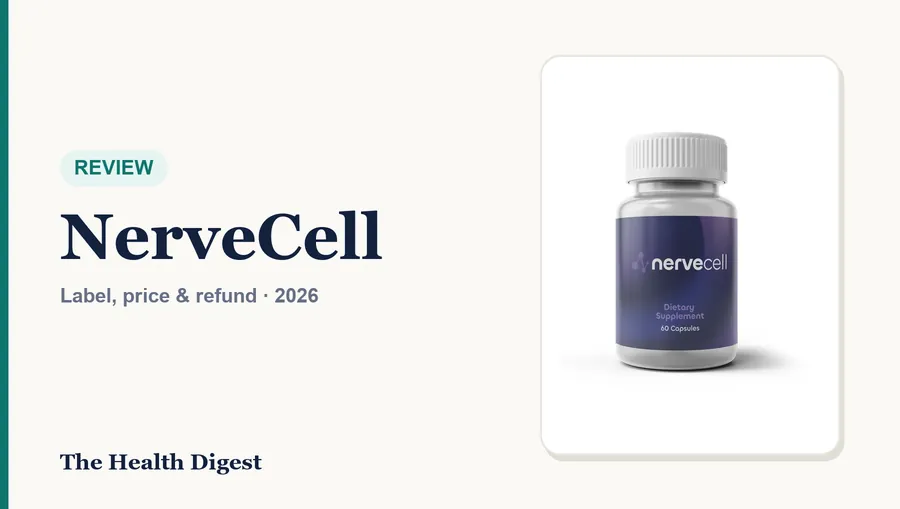 Review
NerveCell review
NerveCell is a two-capsule botanical formula marketed for nerve comfort in the hands and feet. We read the label, the order page and the refund policy, and we explain why its sedating herbs deserve a conversation with your doctor.
Read more →
Buy it from the official store so the guarantee applies, and keep your order email until you decide.
Check NerveCell price on the official site →Opens the brand's official website · money-back guaranteeSources
- NerveCell official website and Supplement Facts label (REV 11/25), order page and support/returns pages (thenervecell.com), accessed September 2026
- Baicus C. et al. Alpha-lipoic acid for diabetic peripheral neuropathy. Cochrane Database of Systematic Reviews, 2024. pubmed.ncbi.nlm.nih.gov/38205823
- Ziegler D. et al. Oral treatment with alpha-lipoic acid improves symptomatic diabetic polyneuropathy: the SYDNEY 2 trial. Diabetes Care, 2006. pubmed.ncbi.nlm.nih.gov/17065669
- Ziegler D. et al. Efficacy and safety of antioxidant treatment with alpha-lipoic acid over 4 years in diabetic polyneuropathy: the NATHAN 1 trial. Diabetes Care, 2011. pubmed.ncbi.nlm.nih.gov/21775755
- NCCIH: Passionflower. nccih.nih.gov/health/passionflower
- Corydalis yanhusuo with Angelica dahurica, cold-pressor pain trial, 2004. pubmed.ncbi.nlm.nih.gov/15496650
- NINDS: Peripheral Neuropathy. ninds.nih.gov/health-information/disorders/peripheral-neuropathy
- NIDDK: Diabetic Neuropathy (nerve damage). niddk.nih.gov/health-information/diabetes
- NIH Office of Dietary Supplements: Vitamin B12 fact sheet. ods.od.nih.gov/factsheets/VitaminB12-HealthProfessional
 NerveCell