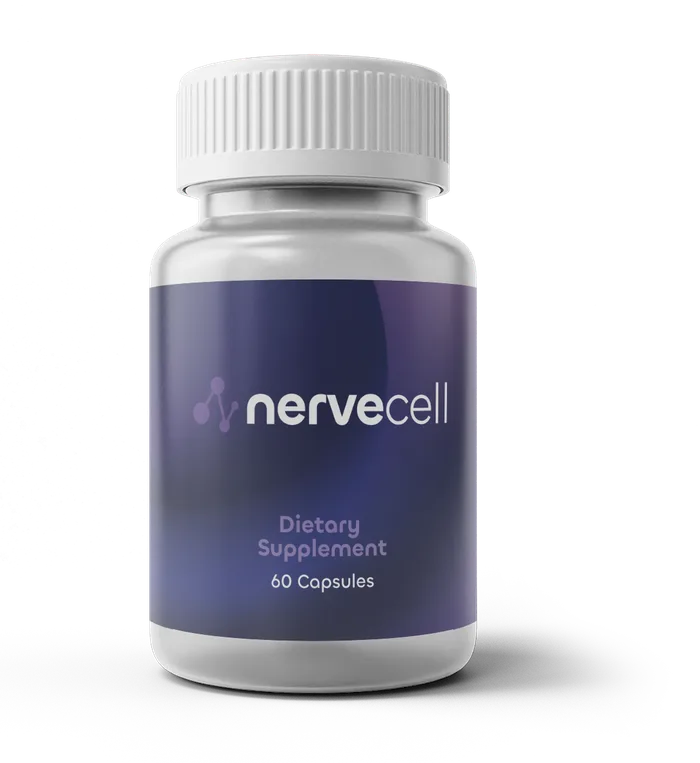
NerveCell is one of the more honest labels in its category: five named plants, every amount printed, no proprietary blend, a simple two-capsule routine and a 60-day guarantee. What it does not have is human evidence in nerve symptoms, for the formula or for any single ingredient in it. Think of it as a traditional calming botanical blend you might add after a doctor has explained why your feet tingle, not as an answer to the tingling itself.
What we like
- Transparent label: five botanicals with individual amounts, no proprietary blend
- Simple routine of 2 capsules a day, 30 servings per bottle
- 60-day money-back guarantee and a published returns address
- One-time payment with no automatic re-bills
Keep in mind
- No human research in nerve symptoms for any of the five ingredients
- Three ingredients are sedating, which limits daytime use for some people
- Customer pays return shipping, and the refund pages state different rules
Check NerveCell price on the official site →Opens the brand's official website · money-back guarantee
Ask whether NerveCell works and you will be shown studies. That is not dishonest by itself, but it is incomplete, because the word "study" covers wildly different things. A test tube is not a mouse. A mouse is not a person. A person taking one herb in a trial is not a person taking this five-herb capsule. This page sorts NerveCell's evidence onto that ladder, rung by rung, so you can see exactly where it stands and where it stops. For the label, prices and refund rules in one place, see our Nerve Cell reviews and complaints.
What NerveCell is, in one paragraph
NerveCell is a botanical capsule marketed for nerve comfort, aimed at people bothered by tingling, burning or pins-and-needles sensations in the hands and feet. Two capsules per serving, 60 capsules per bottle, 30 days. The Supplement Facts panel lists passionflower 145 mg, marshmallow root 110 mg, corydalis 100 mg, prickly pear 20:1 extract 50 mg and California poppy seed 45 mg, about 450 mg of plant material in total, in a vegetable capsule.
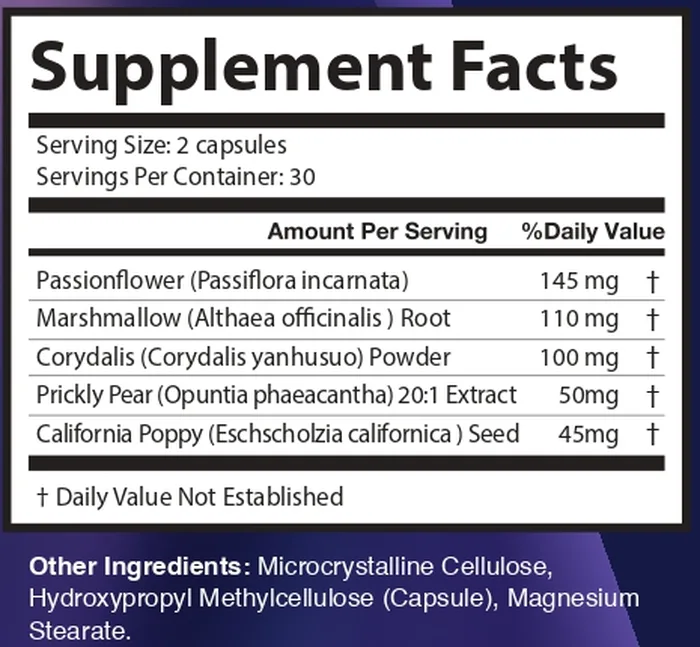
Credit where it is due: there is no proprietary blend here. Every amount is printed, which is rarer than it should be and means you can look each ingredient up yourself. That is exactly what we did.
Rung 1: cell and test-tube research
The lowest rung, and the one supplement marketing leans on hardest. The evidence cited for marshmallow root on the sales page comes from in vitro work on macrophage cells. Cell research tells you a plant compound does something in a dish. It does not tell you that swallowing 110 mg of the root produces any effect in a human body, because it says nothing about absorption, dose, or what happens across the intervening biology.
This rung is where a claim should start a conversation, not end one.
Rung 2: animal studies
A meaningful step up, and still not a human result. Two of NerveCell's ingredients sit here.
Corydalis yanhusuo is the ingredient the marketing leans on most for discomfort. The PLOS ONE study the sales page cites was conducted in mice. Corydalis has a long traditional history in Chinese herbalism, and its animal literature is genuinely interesting, but mice are not a dosing guide for people.
California poppy's cited research is animal work from 1991 and 2001. Human data for California poppy exist only for combination products aimed at sleep or anxiety, and not for nerve symptoms.
Animal research is how discoveries begin. It is not how they are confirmed.
Check NerveCell price on the official site →Opens the brand's official website · money-back guarantee
Rung 3: human trials, but not for this purpose
Now it gets more interesting, because two ingredients do have human data. It just is not about nerves.
Passionflower is the best-supported plant on the label. NCCIH says a small amount of research suggests it might reduce anxiety and improve total sleep time, and that there is not enough evidence for other uses. Note the detail: the sleep study the sales page cites used passionflower tea, not a capsule, and it measured sleep, not nerve sensation.
Corydalis also appears in one small human study, a 2004 cold-pressor pain test, and even there it was combined with Angelica dahurica, which is not in NerveCell. A cold-water pain test in volunteers is a long way from ongoing nerve symptoms.
Prickly pear is the emptiest square on the board. A PubMed search for prickly pear and neuropathy returns zero results.
Rung 4: a trial of the finished product
This is the rung that would answer the question, and it is empty. We found no clinical trial of NerveCell itself, and no trial of any of its five ingredients in people with nerve symptoms.
That means there is no effect size, no response rate, no time-to-effect and no placebo comparison for this product. It also means that anyone quoting a percentage of users who improved, or a number of days until results, is inventing it. The marketing framing around "emerging research" and "neural inflammatory cycling" is promotional language rather than a described medical mechanism, and it should not be read as a finding.
To be clear about what this does and does not mean: an empty top rung is not proof that a product does nothing. It is proof that nobody has checked. Most botanicals sold this way are in the same position, because trials are expensive and not required.
| Ingredient | Highest rung reached | For what outcome |
|---|---|---|
| Passionflower 145 mg | Human trials | Anxiety and sleep, not nerve symptoms |
| Corydalis 100 mg | Animal, plus one small human pain test | General pain response, in a combination |
| California poppy 45 mg | Animal | Sleep and calm |
| Marshmallow root 110 mg | Cell studies | Inflammatory markers in a dish |
| Prickly pear 50 mg | None found for nerves | — |
| NerveCell as sold | None | — |
So why do some people say they feel something?
This is the part worth understanding before you decide, and it has a plausible, non-mystical answer.
Three of the five plants are traditionally sedating. Passionflower, corydalis and California poppy all sit in the calming and sleep category. If a product helps you settle in the evening and sleep more soundly, you will genuinely feel better the next day, and discomfort that keeps you awake will feel less prominent. That is a real experience. It is not nerve repair, and it is not the same as the symptom going away.
Alongside that, several ordinary effects push in the same direction:
- Nerve symptoms fluctuate. Tingling and burning vary with activity, footwear, temperature, sleep and stress, which makes short before-and-after comparisons unreliable.
- Expectation is powerful in pain and sensation research. Placebo groups in pain trials routinely report meaningful improvement.
- Attention changes with routine. People who start a supplement usually also start noticing their symptoms differently, and often start caring for their feet better.
- The cause may be changing anyway. If the underlying cause is being treated, or a medication changed, the timing can look like the capsule.
None of this means you should dismiss what you feel. It means you should not use what you feel as a reason to postpone finding out what is actually going on.
The step that comes before any supplement
We put this after the evidence rather than before it because it is the conclusion, not the disclaimer. Tingling, numbness and burning in the hands or feet is a symptom that needs a diagnosis. The National Institute of Neurological Disorders and Stroke lists many causes of peripheral neuropathy, and several of the common ones are treatable once identified:
- Diabetes, which is the most common cause, and which also brings a risk of foot ulcers when numbness goes unmanaged.
- Vitamin B12 deficiency, which is correctable and which can cause permanent damage if it is left long enough.
- Heavy alcohol use.
- Medication side effects, including some chemotherapy drugs.
- Thyroid problems, kidney disease, infections and autoimmune conditions.
See a doctor promptly if the sensations are new, spreading or worsening; if there is weakness, balance trouble or falls; if you have a wound on your foot that is slow to heal; or if you have diabetes and have not had your feet checked recently. A botanical capsule cannot tell a B12 deficiency from diabetic neuropathy, and no marketing phrase about avoiding harsh medications should be read as a reason to skip that appointment.

If you want to try it anyway, here is a fair test
Plenty of people will have had the evaluation, be following their doctor's plan, and still want to try something. That is reasonable. Design the trial so it tells you something.
- Clear it first. Passionflower, corydalis and California poppy are sedating, so this matters more than usual if you take sleep medicines, other sedatives, opioids or gabapentinoids such as gabapentin or pregabalin, or if you drink alcohol. Corydalis has liver injury reports in the literature, so mention any liver condition.
- Record a baseline week. Rate the tingling or burning 0 to 10 each evening, and note how many nights it disturbed your sleep. Do this before the first capsule.
- Take it as labeled: 2 capsules daily with 8 oz of water. Many people prefer the evening because of the sedating herbs. See how it affects you before driving.
- Do not change anything else in the same period, including footwear, exercise or supplements.
- Re-rate in week 7 using the same scale, and compare seven-day averages rather than individual days.
- Decide by day 50. Stop immediately and seek advice if you get drowsiness, dizziness or confusion, and tell your surgeon if you have surgery scheduled, since passionflower may interact with anesthesia. It should not be used in pregnancy.
Our NerveCell review goes through the formula and safety in more depth, and our legitimacy check covers the copycat sites and the placeholder page on the brand's own root domain.
Cost and the 60-day window
One bottle is 30 servings, so two bottles cover the guarantee period.
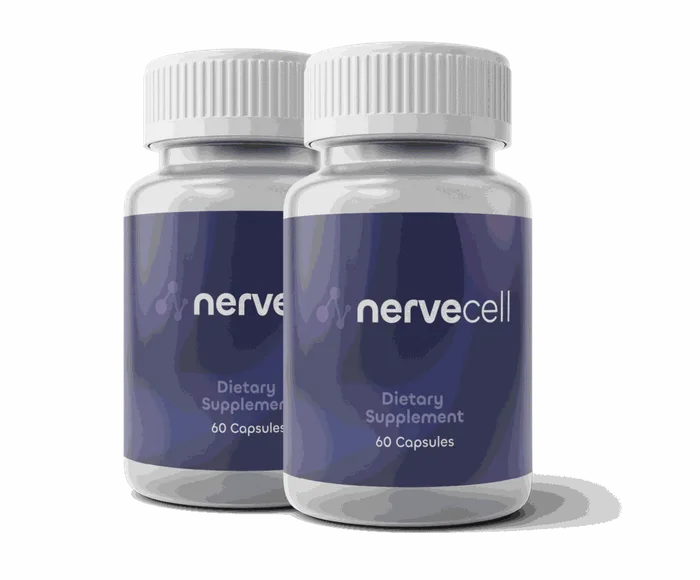 2 bottles60-day supply$79 /bottle$158 · + shippingCheck availability →Best value
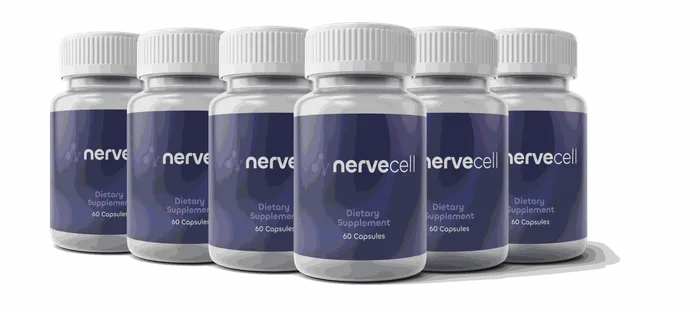 6 bottles180-day supply$49 /bottle$294 · free shipping + bonusesCheck availability →
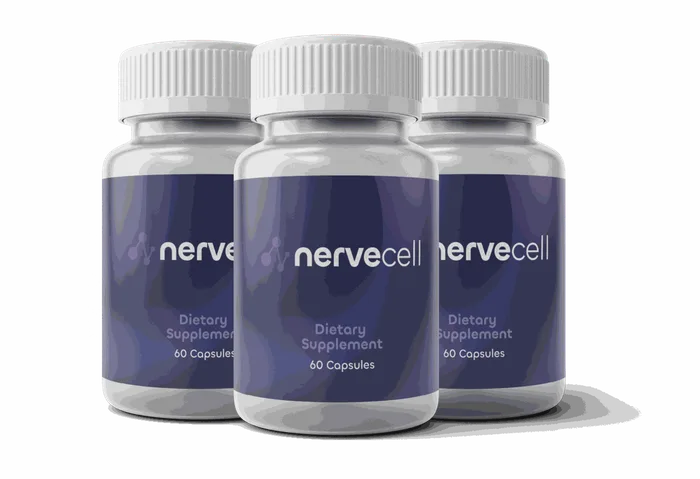 3 bottles90-day supply$69 /bottle$207 · free US shippingCheck availability →

Every order from the official NerveCell store is covered by a 60-day money-back guarantee, and it is a one-time payment with no subscription.
The window is 60 days from the order date. Contact support at support@healthyconsumer.us or +1 (877) 257-0825 first, because the support page states two different return rules: one section asks for all bottles back, empty, full or partially full, and another refunds only unused bottles in perfect condition. You pay return shipping and the original shipping is not refunded. Returns go to NerveCell, 11870 62nd St N, Largo, FL 33773. The order page and support page also disagree about free shipping on the 3-bottle package, so read the checkout total before paying.
The answer, stated plainly
Does NerveCell work? The evidence ladder stops two rungs below where it would need to reach for anyone to answer that. What NerveCell has is a clean, transparent label of traditionally calming plants, a straightforward routine and a refundable window. What it does not have, and what no page can honestly give you, is evidence that it changes nerve symptoms. Find out why your feet tingle first. Then decide whether a calming botanical blend belongs alongside that plan.
Check NerveCell price on the official site →Opens the brand's official website · money-back guarantee
Frequently asked questions
Is there a clinical trial of NerveCell?
No. We found no trial of the finished product, and no human trial of any of its five ingredients in people with nerve symptoms.
Does NerveCell repair nerve damage?
No. It is a botanical supplement, not a treatment for neuropathy or nerve damage, and nothing on the label supports that idea.
Why do some people feel calmer or sleep better on it?
Passionflower, corydalis and California poppy are all traditionally sedating. Better sleep can make discomfort feel less prominent, which is a real effect but not nerve repair.
How long should I give NerveCell before deciding?
No trial exists to give a timeline. Practically, compare a written baseline week with week 7 and decide by day 50, since the refund window is 60 days from the order date.
Can I take NerveCell with gabapentin or a sleep medicine?
Ask your doctor first. Three of the herbs are sedating, so the effects may add together with gabapentinoids, opioids, sedatives, sleep medicines or alcohol.
Should I see a doctor about tingling in my feet?
Yes. Tingling, numbness and burning have causes such as diabetes, B12 deficiency, alcohol and medications, several of which are treatable once identified.
Related reading
 Legit or scam?
Is NerveCell legit or a scam?
NerveCell has a real label, a working checkout and a published returns address. It also has a blank homepage, four look-alike domains and a label typo. Here is how to sort the red flags from the rough edges.
Read more → Review
NerveCell review
NerveCell is a two-capsule botanical formula marketed for nerve comfort in the hands and feet. We read the label, the order page and the refund policy, and we explain why its sedating herbs deserve a conversation with your doctor.
Read more → Legit or scam?
Vigortrix: Reddit & Consumer Reports
A search report, not a review. What turned up, what did not, and why almost everything ranking for this query was written by someone who has never seen the bottle.
Read more →
Buy it from the official store so the guarantee applies, and keep your order email until you decide.
Check NerveCell price on the official site →Opens the brand's official website · money-back guaranteeSources
- NerveCell official order page, Supplement Facts label (REV 11/25), sales page (thenervecell.com/funnelb3/), support page and terms, accessed September 2026
- NCCIH: Passionflower. nccih.nih.gov/health/passionflower
- Passionflower herbal tea and sleep quality, placebo-controlled trial cited on the sales page (PubMed). pubmed.ncbi.nlm.nih.gov/21294203
- Corydalis yanhusuo with Angelica dahurica in a human cold-pressor pain test, 2004 (PubMed). pubmed.ncbi.nlm.nih.gov/15496650
- NINDS: Peripheral Neuropathy. ninds.nih.gov/health-information/disorders/peripheral-neuropathy