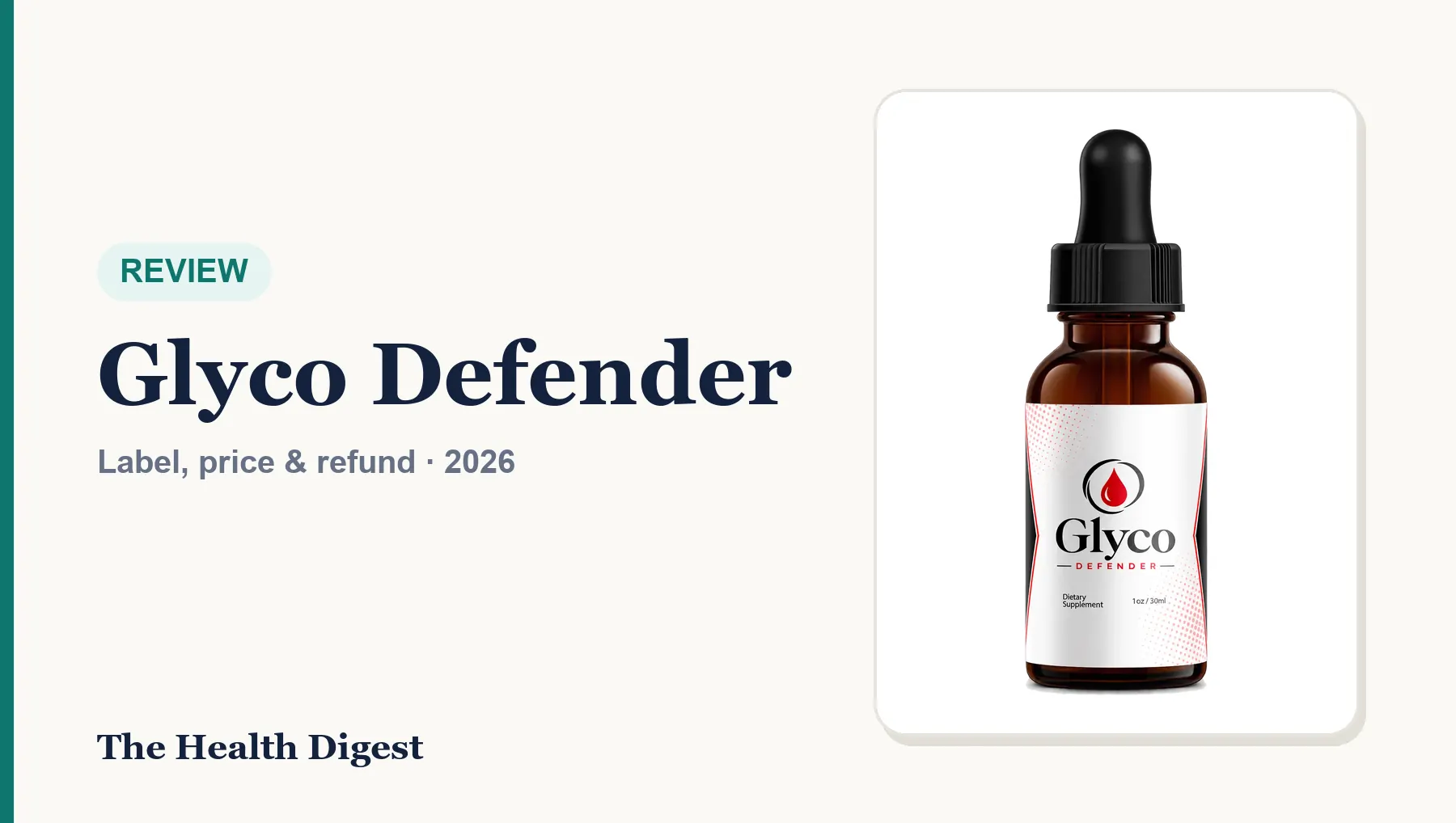
Glyco Defender is an easy liquid routine with a fully printed ingredient list, a one-time price, a published US mailing address and a 60-day guarantee. Its weakness is dose: 21 ingredients share a 15.47 mg blend, roughly three-quarters of a milligram each on average, and chromium sits at 7 mcg. That is a light formula sold with heavy marketing. It can fit an adult who wants a simple daily habit alongside diet and exercise, but it is not a blood sugar treatment, and anyone on diabetes medication should talk to a doctor first.
What we like
- Liquid dropper: nothing to swallow
- Supplement Facts label published on the order page
- One-time payment, no auto-ship, per the FAQ and terms
- 60-day money-back guarantee with a phone line and mailing address
Keep in mind
- 15.47 mg blend split across 21 ingredients, amounts not disclosed
- Contains guarana and green tea despite "without stimulant jitters" copy
- Return shipping is on you, and the two refund pages disagree
- Free shipping only on 6 bottles, although every package card says "FREE USA Shipping"
Check Glyco Defender price on the official site →Opens the brand's official website · money-back guarantee
Glyco Defender is a liquid drop supplement sold on useglycodefender.com, with payment handled by BuyGoods. The sales page pitches it as "the liquid blood-sugar support adults over 40 are switching to", built around chromium, gymnema and maca. The bottle tells a more modest story: 1 ml per serving, 30 servings, 7 mcg of chromium and a 15.47 mg proprietary blend of 21 botanicals and amino acids. Prices run from $49 to $89 per bottle, every order is a single charge, and a 60-day money-back guarantee applies. Below we cover the label, the research on the main ingredients, the price, the refund rules and the safety points that matter most if you watch your blood sugar.
What is Glyco Defender, exactly?
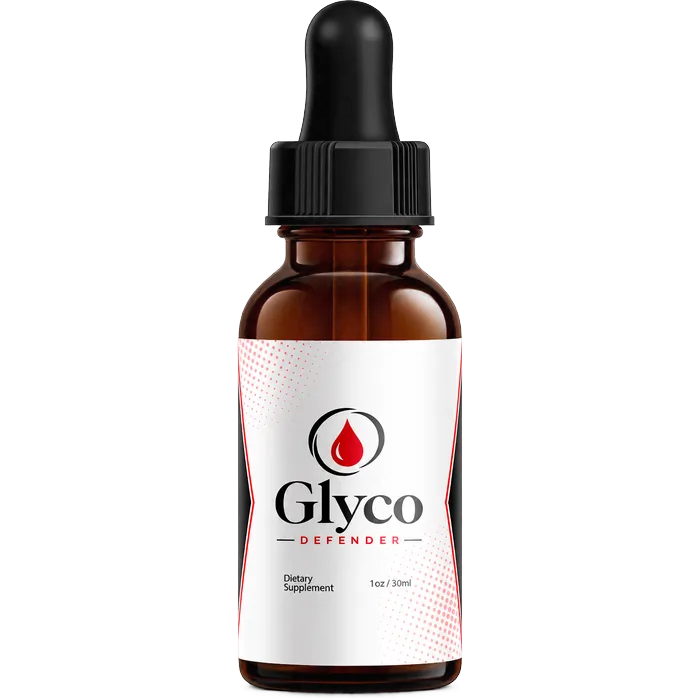
Glyco Defender comes in a 1 oz (30 ml) amber dropper bottle. The label says to shake it, take one dropperful a day and swallow; the brand FAQ defines that dropperful as 1 ml and adds that you can put it in a glass of water instead. At one dropper a day, a bottle is a 30-day supply.
The marketing aims at three things at once: "healthy blood-sugar balance, steady all-day energy and a healthy metabolism." It frames the problem as "impaired glucose handling" and talks about mid-afternoon crashes, cravings and weight around the middle. The fair summary is a blood sugar and energy support supplement in liquid form. It is not a medicine, and the brand's own footer says it is not intended to diagnose, treat, cure or prevent any disease.
What does the Glyco Defender label list?
We worked from the Supplement Facts image on the official order page. The distributor line reads "GlycoDefender, PO Box 12730, Ogden, UT 84404", with support at support@healthyconsumer.us.
| Ingredient | Amount per 1 ml serving | What research supports |
|---|---|---|
| Chromium (as chromium picolinate) | 7 mcg (20% DV) | The NIH Office of Dietary Supplements calls the evidence for chromium in blood sugar control mixed; NCCIH cites a 2022 review of 16 studies with possible small HbA1c and fasting glucose effects in type 2 diabetes, but calls the evidence weak. Trials used hundreds of mcg a day. |
| Proprietary blend (21 ingredients) | 15.47 mg total; individual amounts not listed | Averages about 0.74 mg per ingredient. The label notes most extracts come from 20:1 concentrates (African mango from 10:1). |
| Gymnema sylvestre leaf extract | Inside the blend; amount not listed | Traditional use and small human studies on blood sugar and sweet cravings, mostly at around 400 mg a day of extract; good large trials are lacking. |
| African mango (Irvingia gabonensis) seed extract | Inside the blend; amount not listed | The 2009 trial the brand cites used 150 mg twice a day for 10 weeks; independent confirmation is limited. |
| Green tea leaf extract | Inside the blend; amount not listed | NCCIH: catechins plus caffeine may have a modest effect on weight; evidence for most uses inconclusive. |
| Panax ginseng root extract | Inside the blend; amount not listed | NCCIH calls the blood sugar evidence "inconclusive and conflicting". |
| Maca, grape seed, guarana, eleuthero, astragalus, Coleus forskohlii, cayenne, grapefruit seed, raspberry ketones, L-glutamine, L-tyrosine, L-arginine, beta-alanine, monoammonium glycyrrhizinate, GABA, L-tryptophan, L-carnitine HCl | Inside the blend; amounts not listed | Not studied as a combination; at a shared 15.47 mg, their individual contribution cannot be judged. |
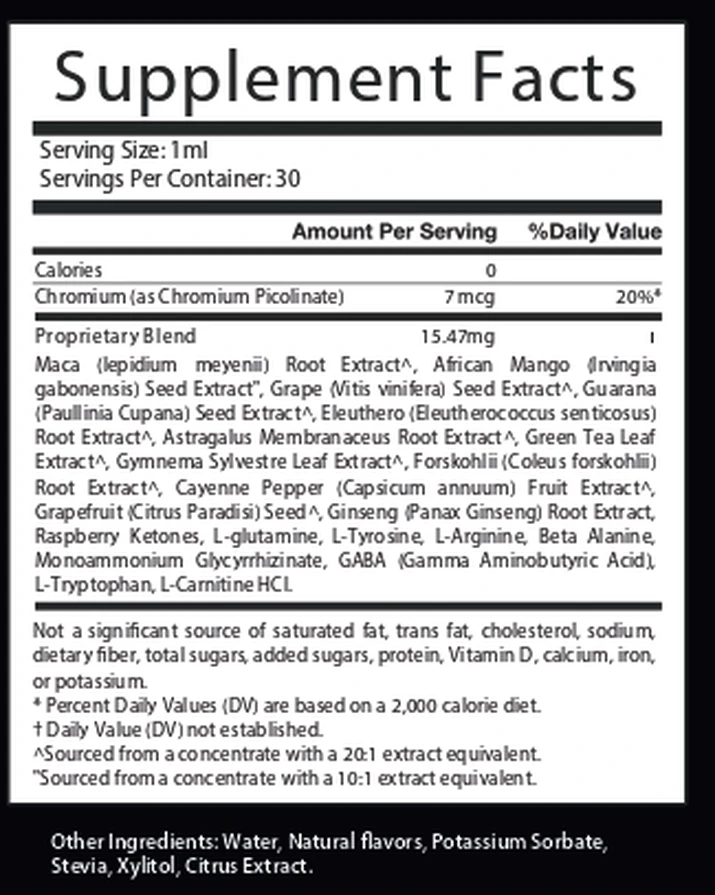
The other ingredients are the liquid base: water, natural flavors, potassium sorbate (a preservative), stevia, xylitol and citrus extract. No sugar is listed; the sweetness comes from stevia and xylitol. Keep xylitol away from dogs.
Three details stand out. First, the sales page speaks of "20 research-informed botanicals and nutrients"; we count 22 lines on the label (chromium plus 21 blend ingredients). Second, the whole blend weighs 15.47 mg, less than a grain of rice, so the amounts behind each famous name are far below what studies used. Third, the page says the formula works "without stimulant jitters" while describing guarana as "the natural energizer". If you avoid caffeine, read the label, not the slogan.
Every ingredient, up close
Here is every active ingredient on the label, what it actually is, and what research does and does not show.
Chromium (as chromium picolinate)
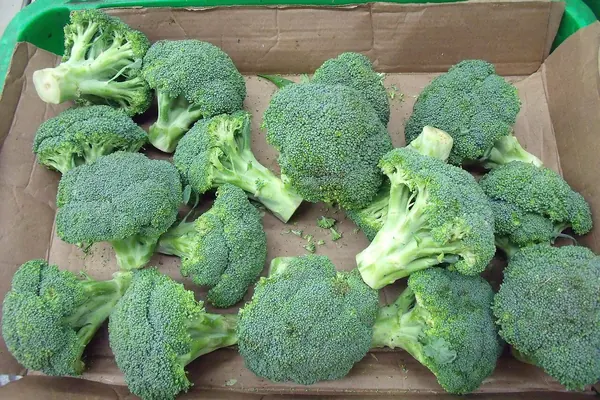
7 mcg (20% DV)An essential trace mineral, here as chromium picolinate (pictured: broccoli, a common food source of chromium). The NIH Office of Dietary Supplements calls the evidence for blood sugar control mixed, and NCCIH rates a 2022 review of 16 studies as weak. Trials used hundreds of micrograms a day; this label gives 7 mcg, 20% of the Daily Value.
Photo: David / Public domain, via Wikimedia Commons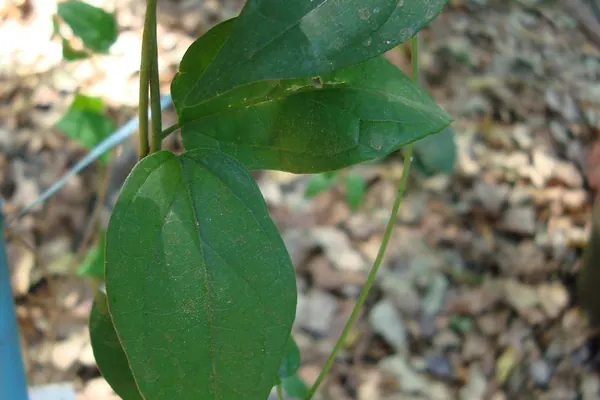
Gymnema sylvestre leaf extract
In a 15.47 mg blend of 21 ingredients, amount not disclosedA climbing plant from India whose Hindi name, gurmar, means "sugar destroyer"; chewing the leaf briefly dulls sweet taste. Small human studies on blood sugar and sweet cravings mostly used around 400 mg of extract a day, more than 25 times the weight of this entire blend.
Photo: Satheesan.vn / CC BY-SA 3.0, via Wikimedia Commons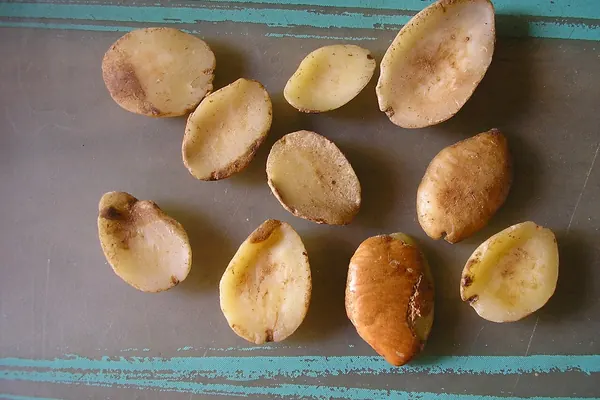
African mango (Irvingia gabonensis) seed extract
In a 15.47 mg blend of 21 ingredients, amount not disclosedThe seed of a West African fruit tree, known in cooking as ogbono. The 2009 trial the brand cites used 150 mg twice a day for 10 weeks, and independent confirmation is limited. The whole Glyco Defender blend is 15.47 mg, so the studied 300 mg a day is out of reach.
Photo: Zz411 at English Wikipedia / CC BY-SA 3.0, via Wikimedia Commons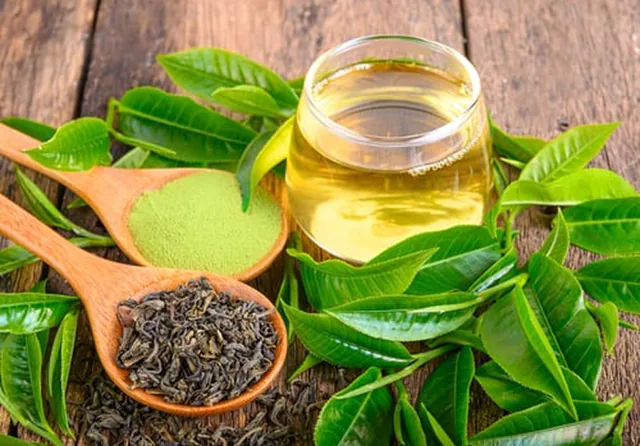
Green tea leaf extract
In a 15.47 mg blend of 21 ingredients, amount not disclosedLeaves of Camellia sinensis, supplying catechins such as EGCG and some caffeine. NCCIH says catechins plus caffeine may have a modest effect on weight and calls the evidence for most uses inconclusive; concentrated extracts have rare reports of liver injury.
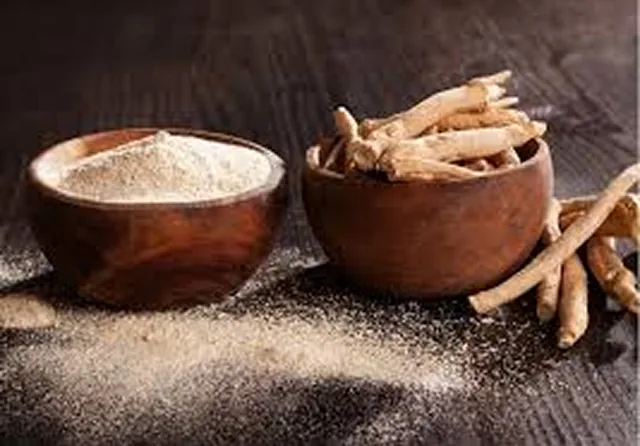
Panax ginseng root extract
In a 15.47 mg blend of 21 ingredients, amount not disclosedAsian ginseng root, a traditional tonic in Korea and China. NCCIH calls the blood sugar evidence "inconclusive and conflicting", and ginseng may add to the effect of diabetes drugs even though the amount here is unknown.
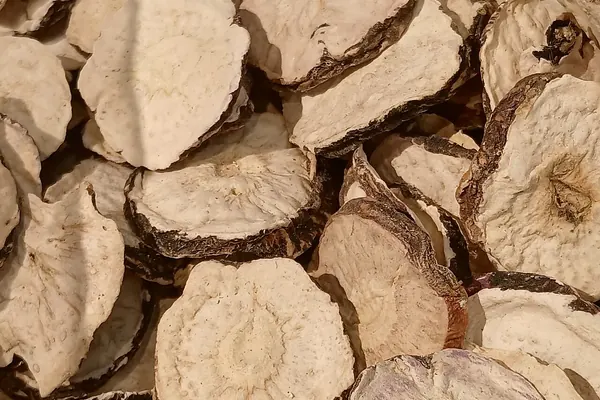
Maca
In a 15.47 mg blend of 21 ingredients, amount not disclosedA root vegetable from the high Andes of Peru, eaten dried or as flour. Small studies on energy and libido used grams a day; there is no good evidence for blood sugar.
Photo: Fumikas Sagisavas / CC0, via Wikimedia Commons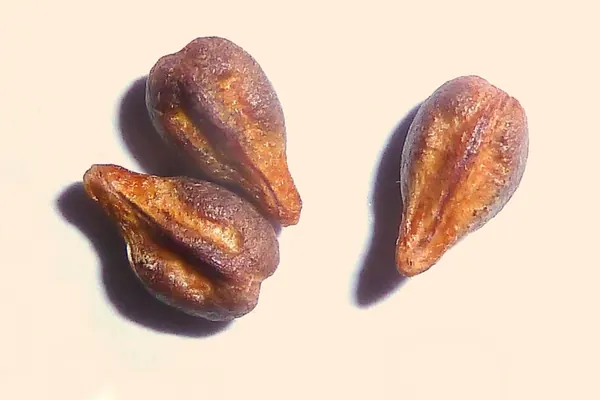
Grape seed
In a 15.47 mg blend of 21 ingredients, amount not disclosedA concentrated source of proanthocyanidins, studied mostly for blood pressure and circulation with modest, inconsistent results. Not an established blood sugar ingredient.
Photo: Philmarin / CC BY-SA 3.0, via Wikimedia Commons
Guarana
In a 15.47 mg blend of 21 ingredients, amount not disclosedAmazonian seeds richer in caffeine than coffee beans, which the sales page calls "the natural energizer" while promising no stimulant jitters. In a 15.47 mg blend the caffeine is probably small, but it is not disclosed.
Photo: Geoff Gallice from Gainesville, FL, USA / CC BY 2.0, via Wikimedia Commons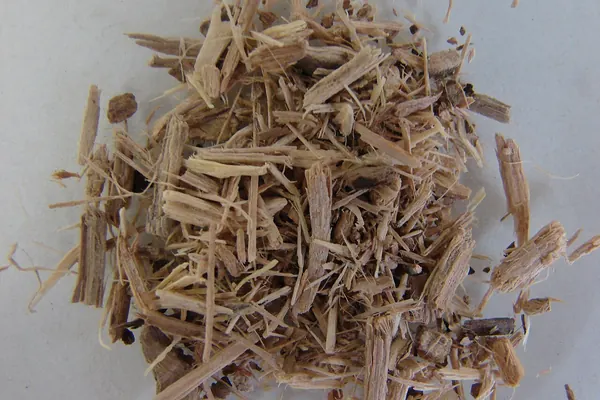
Eleuthero
In a 15.47 mg blend of 21 ingredients, amount not disclosedSiberian ginseng, a different plant from true ginseng, used as a traditional "adaptogen". Fatigue studies are mixed and blood sugar evidence in people is lacking.
Photo: Maša Sinreih in Valentina Vivod / CC BY-SA 3.0, via Wikimedia Commons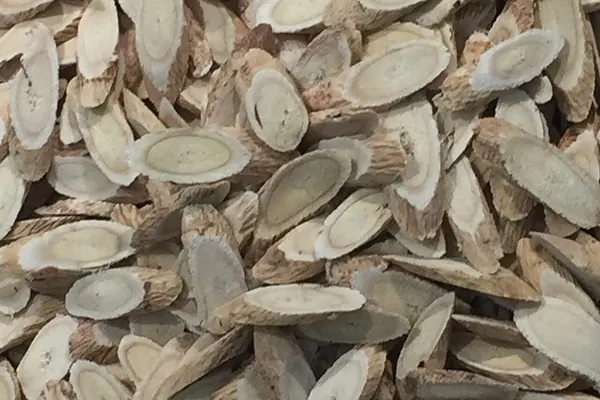
Astragalus
In a 15.47 mg blend of 21 ingredients, amount not disclosedAstragalus root (huang qi) from traditional Chinese medicine. NCCIH notes that good research in people is scarce.
Photo: Fumikas Sagisavas / CC0, via Wikimedia Commons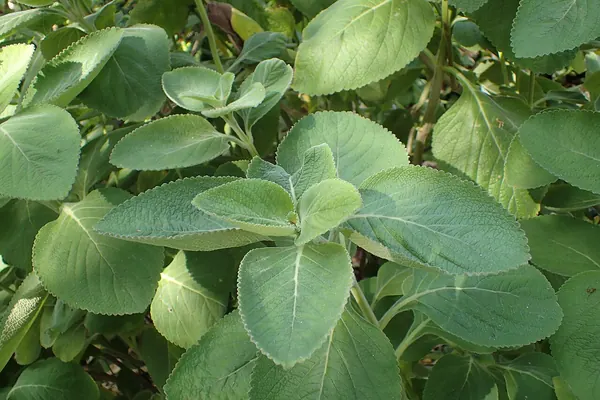
Coleus forskohlii
In a 15.47 mg blend of 21 ingredients, amount not disclosedA mint-family plant whose root supplies forskolin (pictured: the leaves; the supplement uses the root). Small weight trials are mixed, and it is traditionally linked to lower blood pressure.
Photo: Krzysztof Ziarnek, Kenraiz / CC BY-SA 4.0, via Wikimedia Commons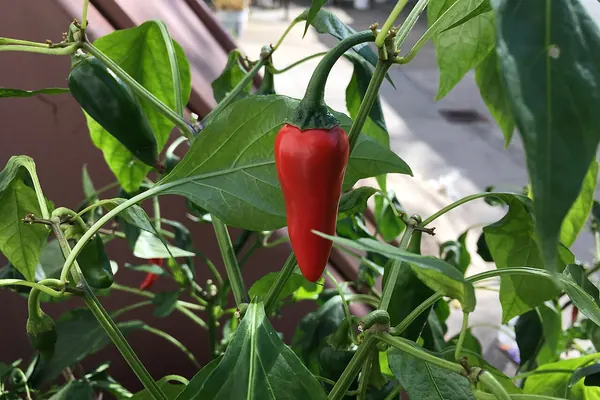
Cayenne
In a 15.47 mg blend of 21 ingredients, amount not disclosedHot pepper whose capsaicin slightly raises energy use in short studies; the weight effect is small even at full doses.
Photo: Ashoka Jegroo / CC BY-SA 4.0, via Wikimedia Commons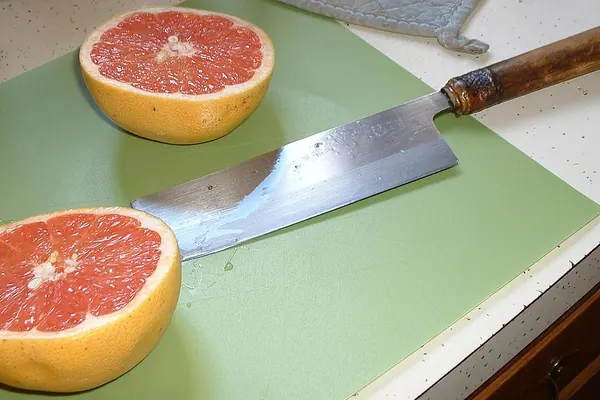
Grapefruit seed
In a 15.47 mg blend of 21 ingredients, amount not disclosedThe label lists grapefruit seed extract (pictured: the fruit). Grapefruit is known for drug interactions; whether this tiny seed extract interacts at label amounts is unknown.
Photo: tracy from north brookfield,Massachusetts, usa / CC BY 2.0, via Wikimedia CommonsRaspberry ketones
In a 15.47 mg blend of 21 ingredients, amount not disclosedThe aroma compound of red raspberries, usually lab-made. No published human trial has tested it alone for weight.
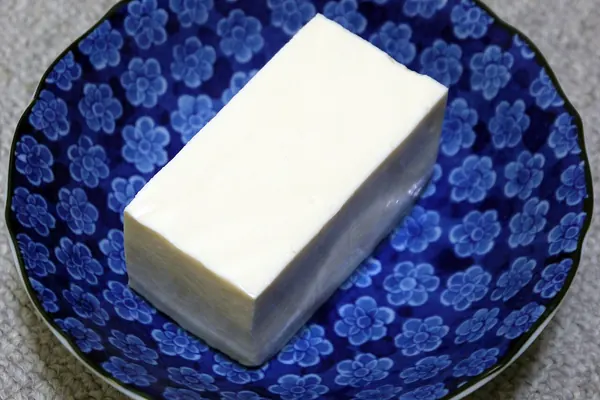
L-glutamine
In a 15.47 mg blend of 21 ingredients, amount not disclosedAn amino acid found in protein foods (pictured: tofu, a common food source of glutamine). Thin human evidence for blood sugar.
Photo: DryPot / CC BY-SA 3.0, via Wikimedia Commons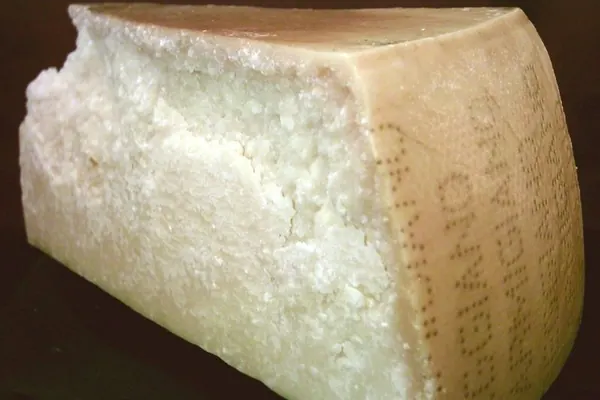
L-tyrosine
In a 15.47 mg blend of 21 ingredients, amount not disclosedAn amino acid used to make dopamine and adrenaline (pictured: parmesan cheese, a common food source of tyrosine). Studied for focus under stress, not glucose.
Photo: Unknown author / CC BY-SA 3.0, via Wikimedia Commons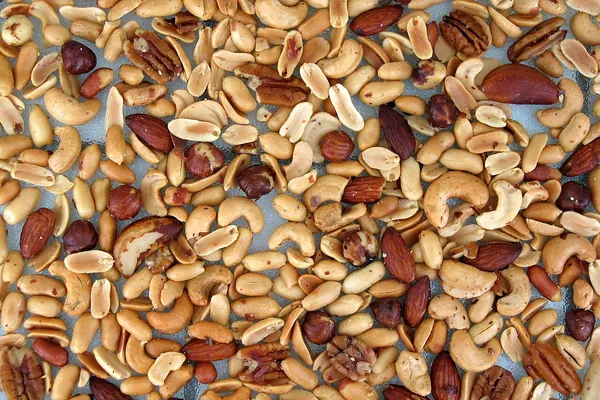
L-arginine
In a 15.47 mg blend of 21 ingredients, amount not disclosedAn amino acid turned into nitric oxide (pictured: mixed nuts, a common food source of arginine). Studies used grams a day, hundreds of times more than this whole blend weighs.
Photo: User:Melchoir / CC BY-SA 3.0, via Wikimedia Commons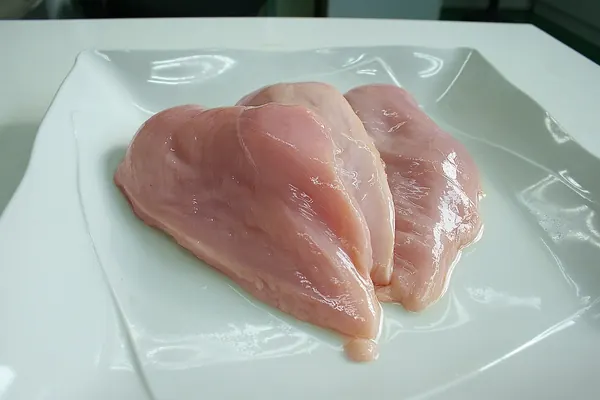
Beta-alanine
In a 15.47 mg blend of 21 ingredients, amount not disclosedAn exercise ingredient studied at grams a day for muscle endurance (pictured: chicken breast, a common food source). No role in blood sugar.
Photo: kakyusei / CC0, via Wikimedia Commons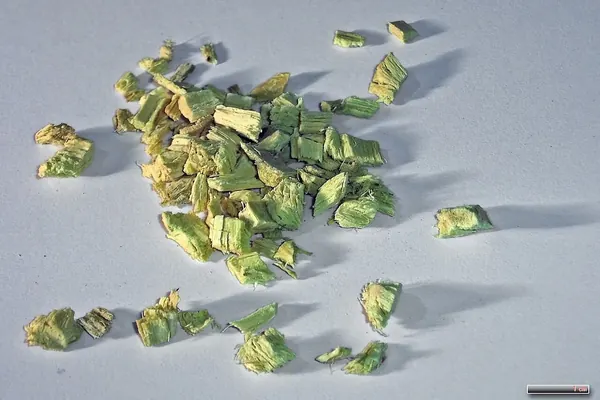
Monoammonium glycyrrhizinate
In a 15.47 mg blend of 21 ingredients, amount not disclosedA sweet compound from licorice root (pictured: dried licorice root, its source). Large amounts can raise blood pressure; the amount here is undisclosed and, in this blend, small.
Photo: Rillke / CC BY-SA 3.0 de, via Wikimedia CommonsGABA
In a 15.47 mg blend of 21 ingredients, amount not disclosedA brain messenger sold for relaxation. Whether swallowed GABA reaches the brain is debated; no blood sugar role.

L-tryptophan
In a 15.47 mg blend of 21 ingredients, amount not disclosedAn amino acid used to make serotonin (pictured: roast turkey, a common food source of tryptophan). Mention it to your pharmacist if you take an antidepressant.
Photo: Mark Miller / CC BY-SA 4.0, via Wikimedia Commons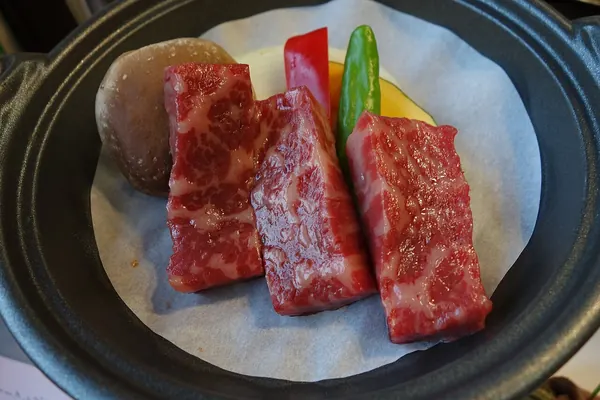
L-carnitine HCl
In a 15.47 mg blend of 21 ingredients, amount not disclosedListed as L-carnitine HCl; it helps cells burn fat (pictured: beef, one of the richest food sources). Trials used grams a day and found modest effects at most.
Photo: pelican from Tokyo, Japan / CC BY-SA 2.0, via Wikimedia CommonsIs the Glyco Defender label the same as Glycovit's?
Very close, which is worth knowing if you have read our Glycovit review. The two blends list the same plants and amino acids in nearly the same order; Glycovit adds L-ornithine. The amounts are different: Glycovit lists 0.7 mcg of chromium and a 200 mg blend, Glyco Defender 7 mcg of chromium and a 15.47 mg blend. Both use the same customer-service desk (support@healthyconsumer.us and +1 (877) 257-0825), and Glycovit's main site shows the same $89, $177 and $294 price points. The distributor addresses differ (Largo, Florida, for Glycovit; a PO box in Ogden, Utah, for Glyco Defender). We cannot say who manufactures either one; we can say they are close relatives on paper.
How do you take Glyco Defender?
Shake the bottle, fill the dropper once (1 ml) and swallow, once a day. The label adds: do not exceed the recommended dose, not for anyone under 18, not for pregnant or nursing women, and consult a physician if you have a medical condition. The brand says benefits are "typically best experienced over 60 to 90 days", which is marketing, not a measured timeline. Tie the drops to something you already do every day, such as breakfast, so you do not miss days.
Check Glyco Defender price on the official site →Opens the brand's official website · money-back guarantee
How much does Glyco Defender cost?
The order page offers three packages, each a single charge. The FAQ and the terms both state there is no subscription, auto-ship or recurring fee.
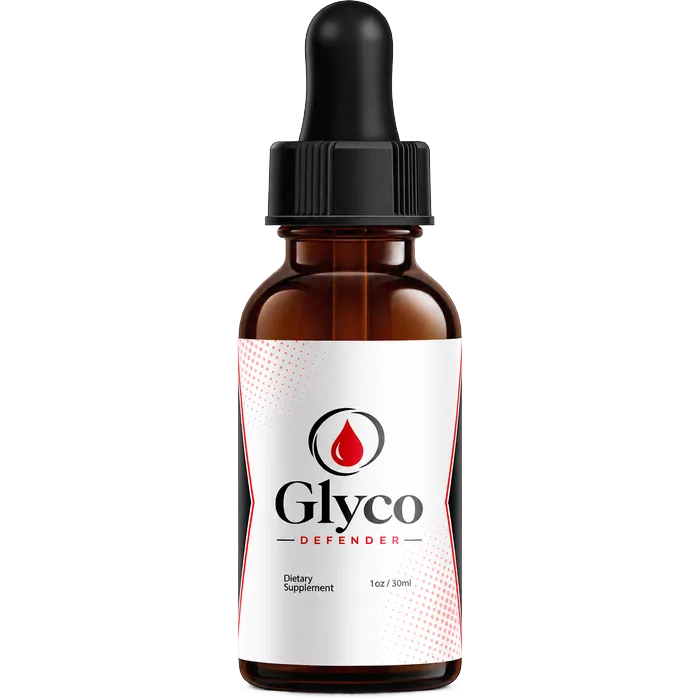 1 bottle30-day supply$89 /bottle$89 · + $9.99 US shippingCheck availability →Best value
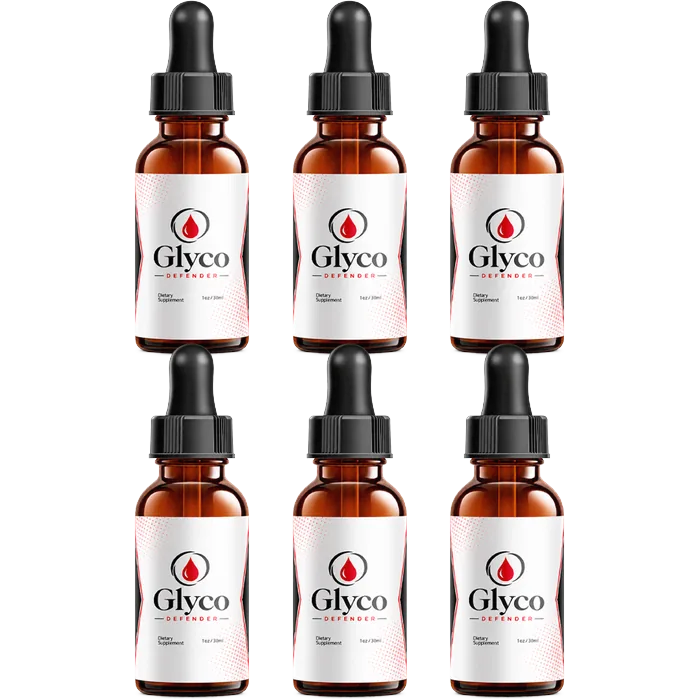 6 bottles180-day supply$49 /bottle$294 · free US shipping + 3 e-booksCheck availability →
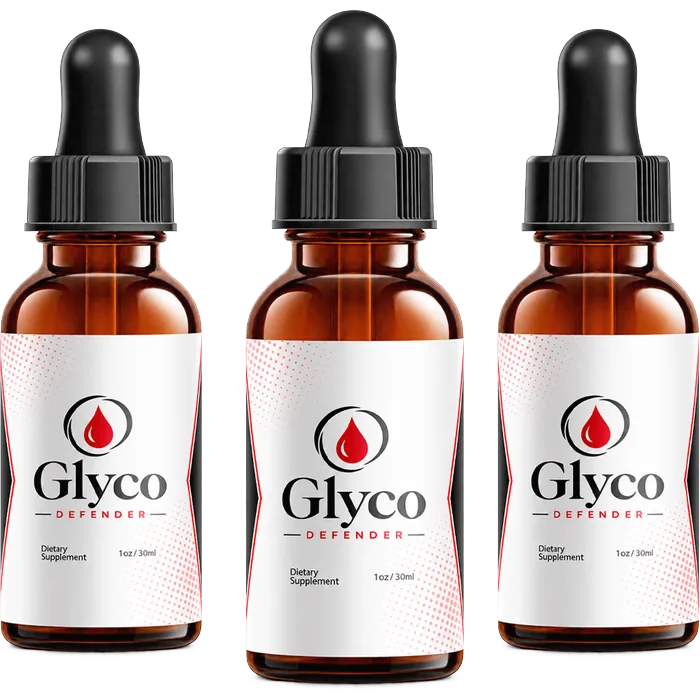 3 bottles90-day supply$59 /bottle$177 · + $9.99 US shippingCheck availability →
| Package | Supply | Price per bottle | Total | Extras |
|---|---|---|---|---|
| 1 bottle | 30-day supply | $89 | $89 | + $9.99 US shipping |
| 6 bottles | 180-day supply | $49 | $294 | free US shipping + 3 e-books |
| 3 bottles | 90-day supply | $59 | $177 | + $9.99 US shipping |
Prices as listed on the official order page (useglycodefender.com/funnelb3/) and confirmed on the BuyGoods checkout when we checked in October 2026. They can change, so the checkout total is the final word.
Shipping is the part that is easy to misread. Every package card on the order page says "FREE USA Shipping", but the 1- and 3-bottle cards also say "+ Shipping" under the price, and the BuyGoods checkout added $9.99 for a US address on both. Only the 6-bottle package showed $0.00. The contact page confirms the rule ($9.99 domestic, free for 6-bottle orders, $19.90 international). The same goes for the bonuses: every card says "3 Free Bonuses", while the bonus section and FAQ tie the three e-books to the 6-bottle pack. Check the checkout summary before you pay. Full math per day is in our Glyco Defender price breakdown; whether any discount code exists is answered in our Glyco Defender coupon code page, and our guide on where to buy Glyco Defender covers Amazon, Walmart and look-alike listings.
How does the 60-day guarantee work?
Every order from the official Glyco Defender store is covered by a 60-day money-back guarantee, and it is a one-time payment with no subscription or auto-shipment.
The window is 60 days from the original order date. The Return & Refund Policy says to contact support for a return authorization, then mail back all bottles, "including empty, used, and unused bottles", with a note listing your order ID, name, address, email and phone. The Returns tab on the contact page says something narrower: return "only the unused bottles in perfect condition." Because the two pages disagree, ask support which rule applies to your order and keep the reply in writing.
What both pages agree on: you pay return shipping, original shipping is not refunded, and refunds take 5 to 10 business days to appear after the return is received. Damaged or wrong items should be reported within 30 days of delivery. Contact: support@healthyconsumer.us or +1 (877) 257-0825, Monday to Friday, 9 AM to 6 PM EST. Returns go to GlycoDefender, PO Box 12730, Ogden, UT 84404. Our Glyco Defender complaints and refunds guide walks through the steps.
Is Glyco Defender safe? Points to raise with your doctor
- Diabetes medication. Chromium, gymnema and ginseng may lower blood sugar. With insulin, sulfonylureas or other glucose-lowering drugs, the effects could add up and raise the risk of hypoglycemia. The amounts here are small, but do not guess: tell your doctor, monitor more often at first, and never reduce a prescription on your own.
- Caffeine sources. Guarana and green tea. Count them if you are sensitive to caffeine, sleep poorly or have heart rhythm concerns.
- Other medications. Green tea extract has rare reports of liver injury and known interactions with nadolol, atorvastatin and raloxifene. Grapefruit interacts with many drugs; whether this seed extract does at label amounts is unknown. Licorice-derived glycyrrhizinate can raise blood pressure in large amounts, Coleus forskohlii is traditionally linked to lower blood pressure, and L-tryptophan is worth mentioning to your pharmacist if you take an antidepressant.
- Who should skip it. The label excludes anyone under 18 and pregnant or nursing women, and asks anyone with a medical condition to see a physician first.
High readings, frequent thirst or urination, or unexplained weight changes are reasons to see a doctor, not to buy a supplement.

What to realistically expect
No clinical trial of Glyco Defender itself is published, and the ten papers on the sales page are about individual ingredients, generally at doses many times larger than this label holds. So the honest expectation is a mild daily habit, not a measurable change in your glucose numbers. If your goal is steadier energy after meals, food, movement and sleep will move the needle more than any dropper. Our Does Glyco Defender work? page goes deeper into what would count as proof, and Is Glyco Defender legit? covers the company checks.
Our verdict on Glyco Defender
Glyco Defender is a real product with a published label, a one-time price, a support line and a written 60-day guarantee. The trade-offs are clear too: a very small proprietary blend, chromium at 7 mcg, caffeine sources the copy plays down, and refund wording that needs confirming. If you want an easy dropper routine, your doctor is fine with it and you buy from the official store so the guarantee applies, it is a low-stakes thing to try. If you are hoping it will replace care for diabetes or prediabetes, it will not. For other options compared side by side, see our best blood sugar supplements guide.
Check Glyco Defender price on the official site →Opens the brand's official website · money-back guarantee
Your doubts, answered honestly
Is Glyco Defender a scam?
What checks out: a Supplement Facts label on the order page, payment through BuyGoods, a published PO box in Ogden, Utah, a support email and phone line with stated hours, no subscription or auto-ship according to the FAQ and terms, and a written 60-day guarantee. What we cannot confirm: who makes it, and whether a 15.47 mg blend can do what the sales page suggests. It is a real product sold with marketing that is much bigger than the formula.
Why does it cost up to $89 a bottle?
A bottle lasts 30 days, so you pay about $1.63 a day on the 6-bottle package ($294) and about $2.97 a day for a single bottle ($89), plus $9.99 shipping on the 1- and 3-bottle packages. For that you get 7 mcg of chromium and 21 ingredients sharing 15.47 mg. Single-ingredient chromium, gymnema or green tea supplements are usually much cheaper and list exactly how much you get.
Will Glyco Defender work for me?
No trial of Glyco Defender itself is published, and the papers on the sales page studied individual ingredients at doses many times larger than this label holds. Realistically, this is a mild daily habit, not a change in your glucose numbers. If you expect your meter readings or A1C to fall, you will most likely not see it; the brand's "60 to 90 days" is a marketing line, not a measured timeline.
Is it safe? Can I take it with my medication?
Chromium, gymnema and ginseng may lower blood sugar, so with insulin, sulfonylureas or other diabetes drugs tell your doctor first and monitor more often. Guarana and green tea are caffeine sources, green tea extract interacts with nadolol, atorvastatin and raloxifene, grapefruit interacts with many drugs, glycyrrhizinate can raise blood pressure in large amounts and L-tryptophan is worth raising if you take an antidepressant. Not for anyone under 18 or pregnant or nursing women, and keep the xylitol-sweetened liquid away from dogs.
What if it doesn't work for me?
You have 60 days from the original order date. Ask support for a return authorization first, because the refund policy says to return all bottles, used or not, while the contact page says only unused bottles in perfect condition. You pay return shipping, original shipping is not refunded, and the refund takes 5 to 10 business days after the return arrives. Support is support@healthyconsumer.us or +1 (877) 257-0825, Monday to Friday.
Why not just buy it on Amazon?
Amazon is not listed by the brand as an authorized seller, and the 60-day guarantee applies to orders from the official store. We cannot vouch for listings elsewhere, and their refund terms would not be the brand's. Our where to buy Glyco Defender page covers this in more detail.
Do you get paid if I buy?
Yes. If you buy through our buttons, we may earn a commission at no extra cost to you. It does not change the price or what we write, which is why this review spells out the 15.47 mg blend and the shipping fine print. The buttons go to the brand's official site.
Frequently asked questions
Is Glyco Defender a pill or a liquid?
It is a liquid. Each bottle holds 1 oz (30 ml), and the label serving is 1 ml, one full dropper a day, placed in the mouth and swallowed. The brand FAQ adds that you can also mix it into a glass of water.
How much chromium is in Glyco Defender?
The label lists 7 mcg of chromium as chromium picolinate per 1 ml serving, which is 20% of the Daily Value. Clinical studies of chromium for blood sugar typically used hundreds of micrograms a day.
Does Glyco Defender contain caffeine?
Caffeine is not listed as a separate line, but the blend includes guarana seed and green tea leaf extracts, which are natural caffeine sources. The blend is only 15.47 mg in total, so the amount is likely small, but it is not disclosed.
Is Glyco Defender the same as Glycovit?
Not the same product, but the ingredient lists are nearly identical, the support email and phone number are the same, and the main-site prices match. The amounts differ: Glyco Defender lists 7 mcg of chromium and a 15.47 mg blend; Glycovit lists 0.7 mcg and a 200 mg blend.
Can Glyco Defender replace diabetes medication?
No. It is a dietary supplement and the brand itself says it is not intended to diagnose, treat, cure or prevent any disease. Keep your prescribed treatment and ask your doctor before adding it.
How long is the Glyco Defender refund window?
60 days from the original order date. The customer pays return shipping, original shipping is not refunded, and the two policy pages disagree on whether opened bottles must be returned, so confirm with support first.
Related reading
- Legit or scam?
Is Glyco Defender legit?
What checks out about Glyco Defender (label, BuyGoods checkout, address, 60-day guarantee) and what to read carefully: a tiny blend, shipping copy and two refund rules.
Read more → - Does it work?
Does Glyco Defender work?
No trial of Glyco Defender exists. We look at what is in the dropper (7 mcg chromium, a 15.47 mg blend), what research says about the ingredients, and how to test it safely.
Read more → - Price
Glyco Defender price
Glyco Defender costs $89, $177 or $294 as one-time payments. We turn that into cost per day and per dose, include the $9.99 shipping most pages gloss over, and match a package to your plans.
Read more → 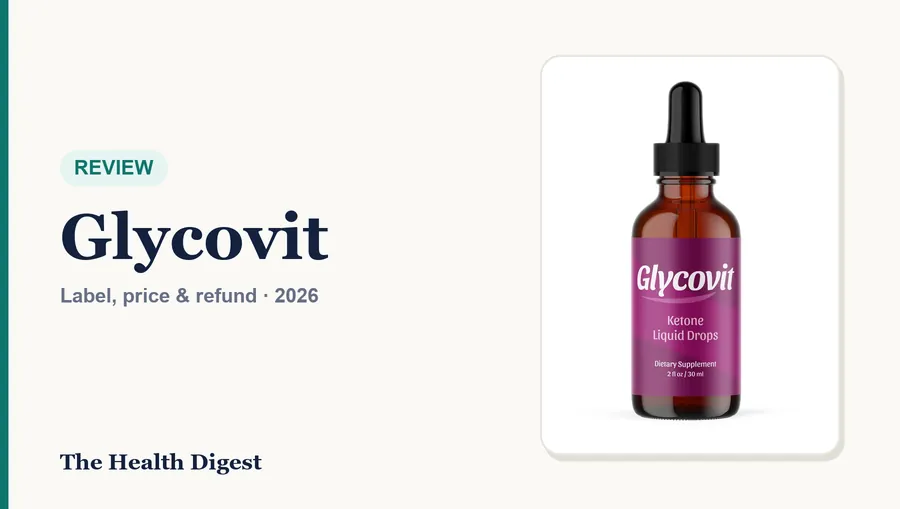 Review
Glycovit review
Glycovit is a liquid dropper supplement marketed for blood sugar balance, metabolism and energy. We read the label, the order page and the refund policy so you know what you are buying before you pay.
Read more →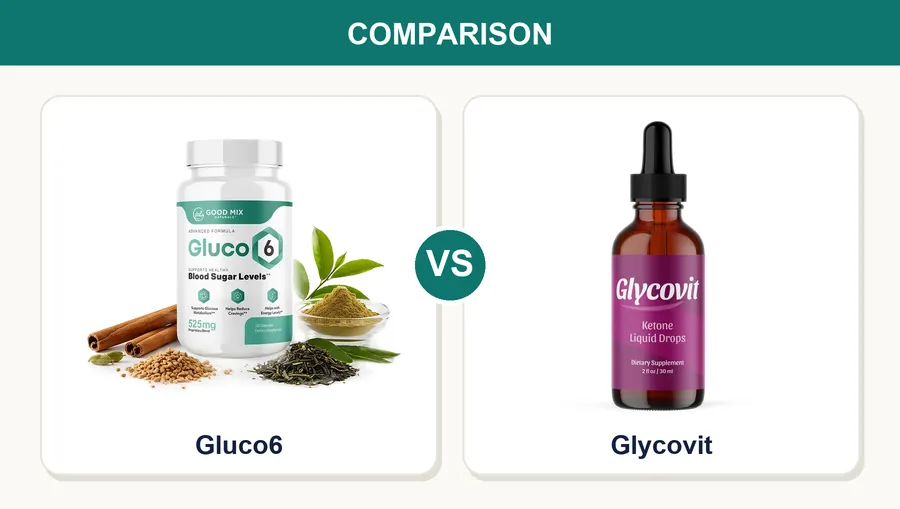 Best of
Best blood sugar supplements (2026)
Gluco6 vs Glycovit side by side: what each label discloses, what the ingredient research says, what a month costs and how the refunds work. Our pick and why.
Read more →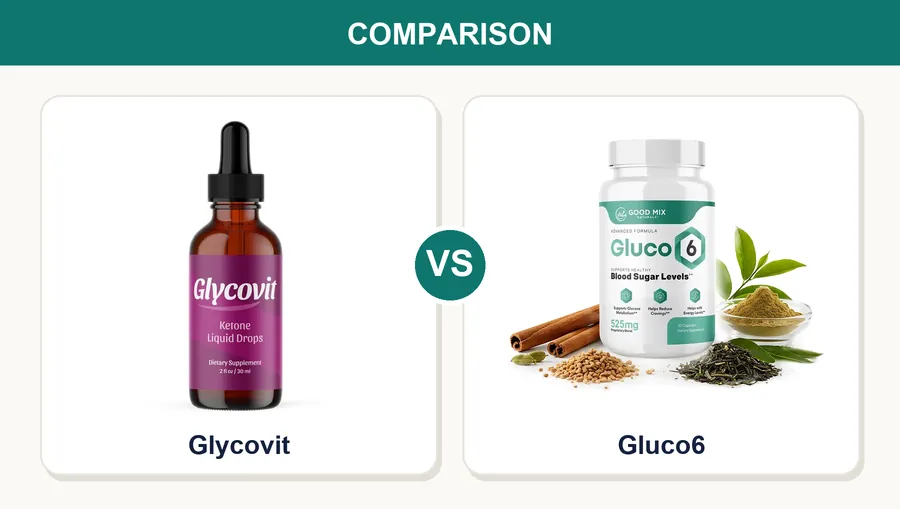 Comparison
Glycovit vs Gluco6
Both are marketed for blood sugar and metabolism support, and that is roughly where the similarity ends. One publishes a full Supplement Facts panel; the other names six ingredients without doses.
Read more →
Buy it from the official store so the guarantee applies, and keep your order email until you decide.
Check Glyco Defender price on the official site →Opens the brand's official website · money-back guaranteeSources
- Glyco Defender order page and Supplement Facts label image (useglycodefender.com/funnelb3/), Return & Refund Policy (useglycodefender.com/support/), Contact page with FAQ, shipping and returns tabs (useglycodefender.com/contact/) and Terms (useglycodefender.com/terms/), accessed October 2026
- BuyGoods checkout pages for the 1-, 3- and 6-bottle packages (US address selected), viewed October 2026 without placing an order
- NIH Office of Dietary Supplements: Chromium fact sheet. ods.od.nih.gov/factsheets/Chromium-HealthProfessional
- NCCIH: Diabetes and Dietary Supplements. nccih.nih.gov/health/diabetes-and-dietary-supplements
- NCCIH: Green Tea. nccih.nih.gov/health/green-tea
- NCCIH: Asian Ginseng. nccih.nih.gov/health/asian-ginseng
- Ngondi JL, et al. IGOB131, a novel seed extract of the West African plant Irvingia gabonensis, significantly reduces body weight and improves metabolic parameters in overweight humans. Lipids Health Dis. 2009;8:7. PMID 19254366
- Tiwari P, et al. Phytochemical and pharmacological properties of Gymnema sylvestre. Biomed Res Int. 2014;2014:830285. PMID 24511534