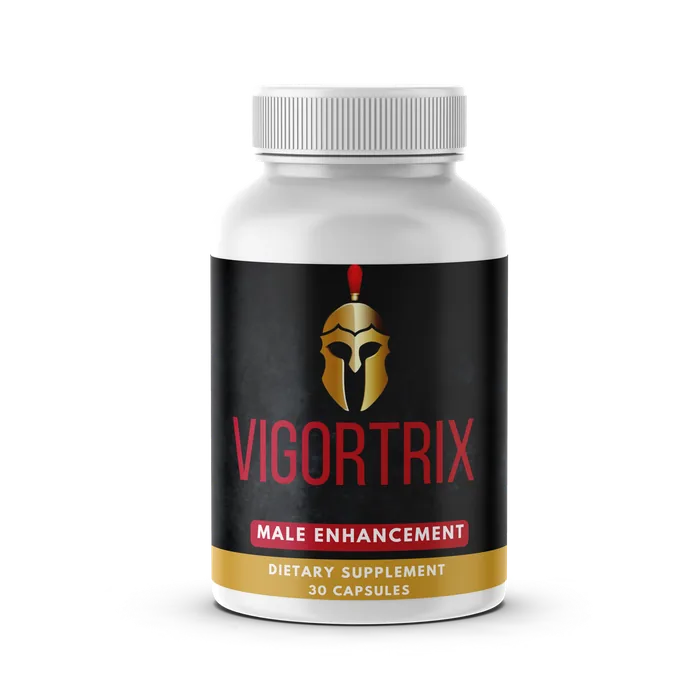
The Vigortrix label is short and fully disclosed: seven named ingredients with individual amounts, no proprietary blend. It is built around Tongkat Ali, one of the more researched traditional herbs for men, with Horny Goat Weed and five supporting botanicals and minerals. The only real source of confusion is outside the bottle, on sales pages that describe other formulas, so use the Supplement Facts panel as your reference.
What we like
- Every ingredient listed with its own amount, no proprietary blend
- Standardized extract ratios printed on the label
- Led by Tongkat Ali, a well-studied traditional herb
- Short list of other ingredients
Keep in mind
- Different sales pages describe different formulas
- Several supporting botanicals have limited human research
- Gelatin capsules, so not suitable for vegetarians
Check Vigortrix price on the official site →Opens the brand's official website · money-back guarantee
Vigortrix contains seven active ingredients, listed individually on its Supplement Facts panel: Tongkat Ali, Horny Goat Weed, saw palmetto, wild yam, sarsaparilla, nettle leaf and boron. That is the label published on vigortrix.com, revision 11/25, for a serving of two capsules. This page goes further than an ingredient list: it explains what the extract ratios mean, why some pages show a completely different formula, and the background of each plant.
What does the Vigortrix label say?
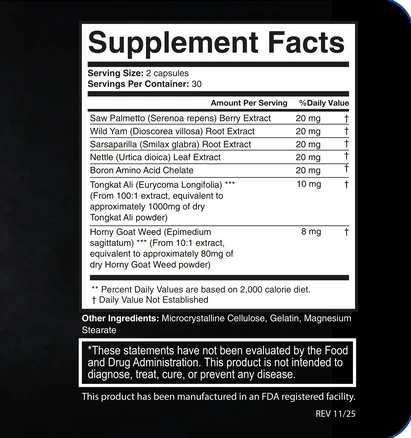
Reading the panel line by line, per two-capsule serving:
| Line on the label | Amount | How to read it |
|---|---|---|
| Saw Palmetto berry extract | 20 mg | Extract made from the berries of the saw palmetto palm |
| Wild Yam root extract | 20 mg | Extract of the root |
| Sarsaparilla root extract (Smilax glabra) | 20 mg | The species is named, which matters (see below) |
| Nettle leaf extract | 20 mg | Specifically the leaf, not the root |
| Boron (amino acid chelate) | 20 mg | Boron bound to an amino acid; the amount refers to the chelate as listed |
| Tongkat Ali, 100:1 extract | 10 mg | Labeled as "equivalent to ~1,000 mg dry powder" |
| Horny Goat Weed (Epimedium sagittatum), 10:1 extract | 8 mg | Labeled as "~80 mg" |
Other ingredients: microcrystalline cellulose, gelatin and magnesium stearate. Servings: 30 per bottle, 60 capsules.
Two things stand out. First, there is no proprietary blend: each ingredient has its own amount, so you know exactly what you are getting. Second, two ingredients are listed as concentrated extracts with a ratio, which is where most readers get confused.
What does "100:1 extract" mean?
An extract ratio tells you how much raw plant material went into making the extract. A 100:1 Tongkat Ali extract means roughly 100 parts of dried root were processed to produce 1 part of extract. So the label describes 10 mg of this extract as equivalent to about 1,000 mg of dry root powder.
It helps to be precise about what that sentence means:
- The capsule contains 10 mg of Tongkat Ali extract by weight.
- The "~1,000 mg" figure describes the starting material used to make that extract.
- It is not 1,000 mg of powder in the capsule, and the label does not claim that it is.
The same logic applies to Horny Goat Weed at 10:1: 8 mg of extract, made from about 80 mg of dried herb. Concentrating herbs this way is standard practice; it is how several botanicals fit into a small capsule alongside other ingredients.
What a ratio does not tell you is the level of any specific compound, such as icariin in Epimedium. The label does not list compound standardization, so we do not guess at it.
Why do some pages list different Vigortrix ingredients?
This is the most useful thing to know before you buy. While researching, we found Vigortrix sales pages describing at least two other formulas:
- one built around L-citrulline, maca and pine bark;
- another listing hawthorn, tribulus and chrysin.
Neither matches the Supplement Facts label published on the official site. We cannot tell you why the pages differ (older versions, affiliate pages written from memory, or lookalike sites all happen in this category), but the rule is simple: the label on the bottle is the document that counts. When your order arrives, compare the Supplement Facts panel with the table above. If it does not match, contact support@vigortrix.com or +1 (877) 257-0825 before taking it.
This is also why we recommend buying only from the official store. Copycat domains such as vigortrix.us, vigorttrix.com, vigourtrix.com and eng-us-vigortrix.com are the pages most likely to describe a formula that is not on the label.
Check Vigortrix price on the official site →Opens the brand's official website · money-back guarantee
Each Vigortrix ingredient, and where it comes from
Tongkat Ali
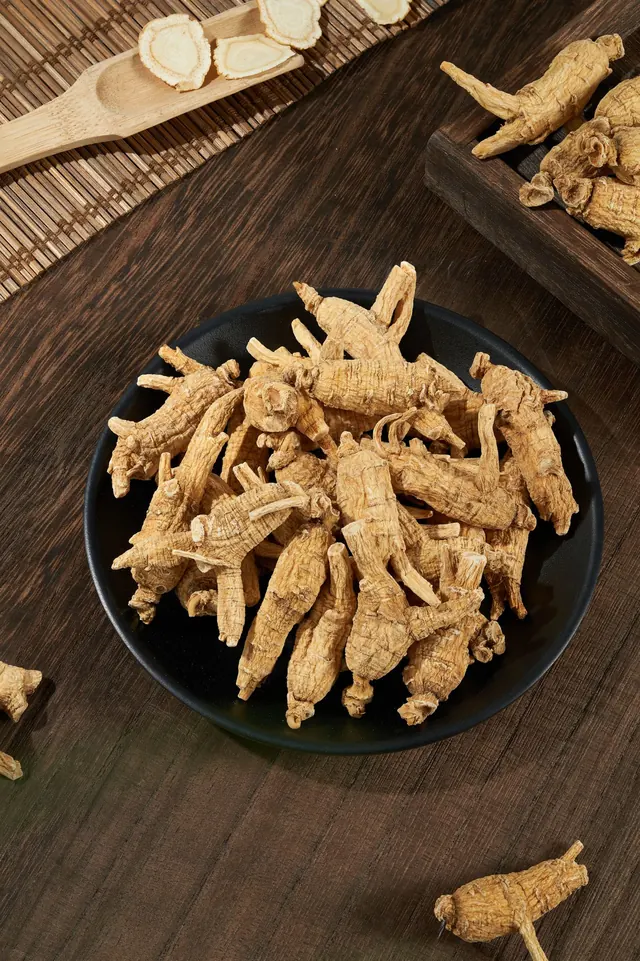
10 mg of 100:1 extractA root from Southeast Asia used for generations as a traditional tonic for male vitality, and one of the better-studied herbs in this category: a 2022 meta-analysis of randomized controlled trials found that Tongkat Ali raised total testosterone, most clearly in men who started with low levels. The 100:1 concentration is why the label describes 10 mg as equivalent to about 1,000 mg of dried root.
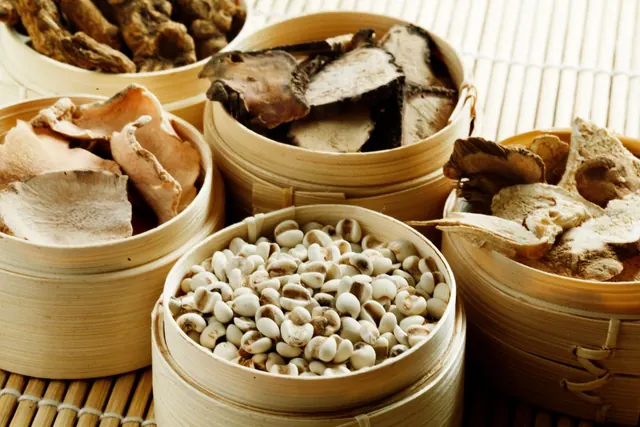
Horny Goat Weed (Epimedium)
8 mg of 10:1 extractA herb with a long history in traditional Chinese practice. Its best-known compound, icariin, has been studied in the laboratory for its effect on the enzyme pathway involved in blood flow. Human research is still early, so think of it as a traditional ingredient with interesting lab data.
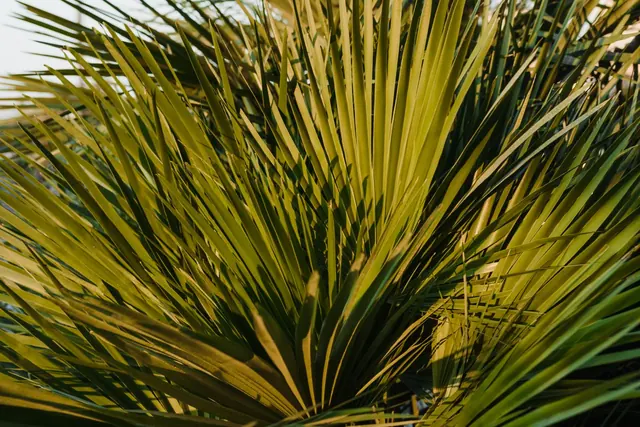
Saw Palmetto
20 mgOne of the most popular botanicals in men's health, known mainly for supporting prostate and urinary comfort as men age. Clinical results have been mixed, but it remains a staple of men's formulas.
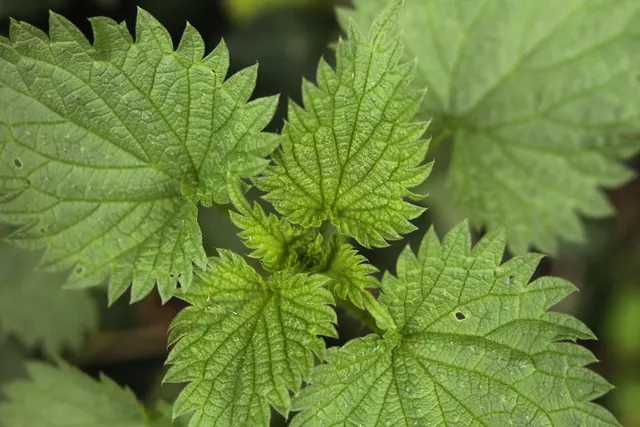
Nettle Leaf
20 mgStinging nettle has been used in traditional herbal practice for centuries and is a common ingredient in men's wellness blends. Modern clinical evidence for the leaf is limited, so it plays a supporting role here.
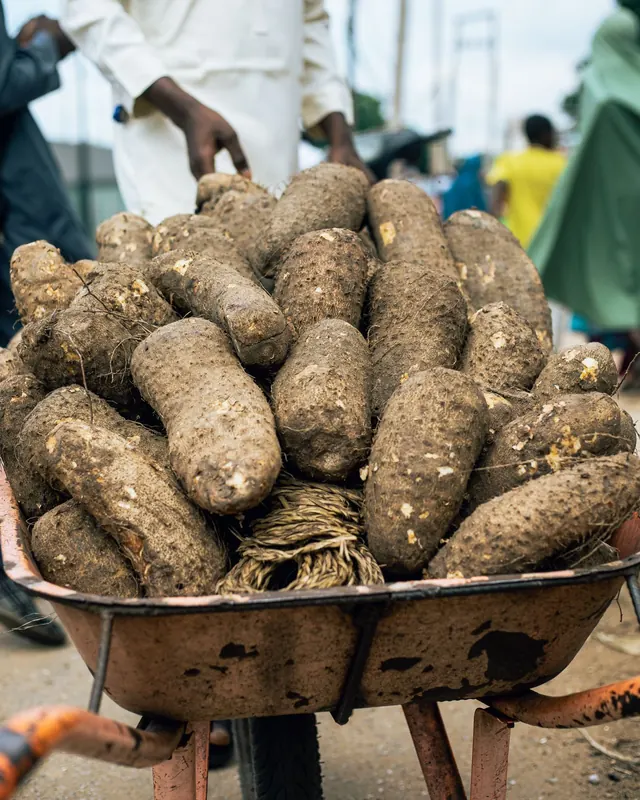
Wild Yam Root
20 mgA classic herbal ingredient, traditionally used in wellness blends for both men and women. It contains diosgenin, a plant compound; research in people is limited, so we treat it as a supporting ingredient.
Sarsaparilla Root
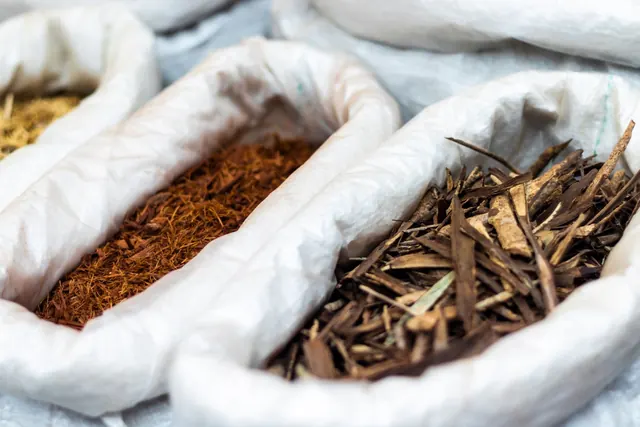
20 mgA tropical vine root with a long record of traditional use as a tonic, and the original flavor behind the old-fashioned soft drink. It is included for its traditional use rather than strong clinical data.
Boron
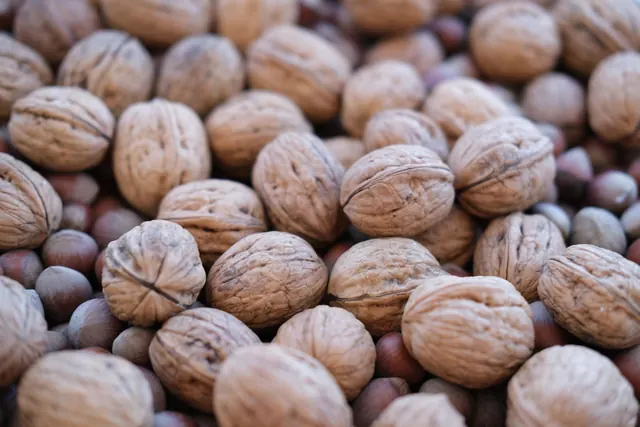
20 mg (amino acid chelate)A trace mineral found naturally in nuts, fruits and vegetables. Small studies have looked at how boron intake relates to hormone levels in men, which is why it appears in many vitality formulas.
A little more background on each, beyond the quick cards above:
Tongkat Ali (Eurycoma longifolia)
A slender tree native to the rainforests of Malaysia, Indonesia and Thailand, where the bitter root has been boiled into tonics for generations. It is sometimes called "longjack". It leads the formula for a reason: a 2022 systematic review and meta-analysis of randomized trials found Tongkat Ali raised total testosterone, with the clearest effect in men who started with low levels. That research is about the herb in general, not a test of Vigortrix.
Horny Goat Weed (Epimedium sagittatum)
Epimedium is a group of leafy plants used in traditional Chinese practice for centuries; E. sagittatum is one of the species used in that tradition. Its best-known compound, icariin, has been studied mostly in laboratory and animal work, so human evidence is still early.
Saw Palmetto
A small palm native to the southeastern United States, especially Florida. Its berries are among the most widely used botanicals in men's health, mainly for prostate and urinary comfort. The NIH's NCCIH describes clinical results as mixed and notes a possible interaction with blood thinners.
Nettle leaf
Stinging nettle grows across North America, Europe and Asia and has a long record in traditional herbal practice. The label specifies the leaf; nettle root is the part more often discussed in prostate-related research, so the two should not be confused. Human evidence for the leaf in this context is limited.
Wild yam root
Wild yam contains diosgenin, a plant compound that laboratories can use as a raw material to make hormones. A popular myth says the body does the same conversion; it does not. Wild yam does not turn into DHEA in the human body, so it is best seen as a traditional supporting ingredient.
Sarsaparilla (Smilax glabra)
Sarsaparilla is a name shared by several climbing vines of the Smilax genus. Vigortrix uses Smilax glabra, a species long used in traditional Chinese practice. Its near-twin product, Horsewood, uses Smilax ornata, the Central American species behind the classic soft drink. That species name is the only difference between the two labels; see our Vigortrix vs Horsewood comparison. Human research on sarsaparilla is limited.
Boron (amino acid chelate)
A trace mineral you already get from nuts, avocados, dried fruit and vegetables. In the "amino acid chelate" form, boron is bound to an amino acid, a common way minerals are prepared for supplements. The label lists the chelate at 20 mg; if you want the amount of elemental boron, support can tell you. Small studies have looked at boron and hormone markers in men, but there is little human evidence at this amount.
What are the "other ingredients" for?
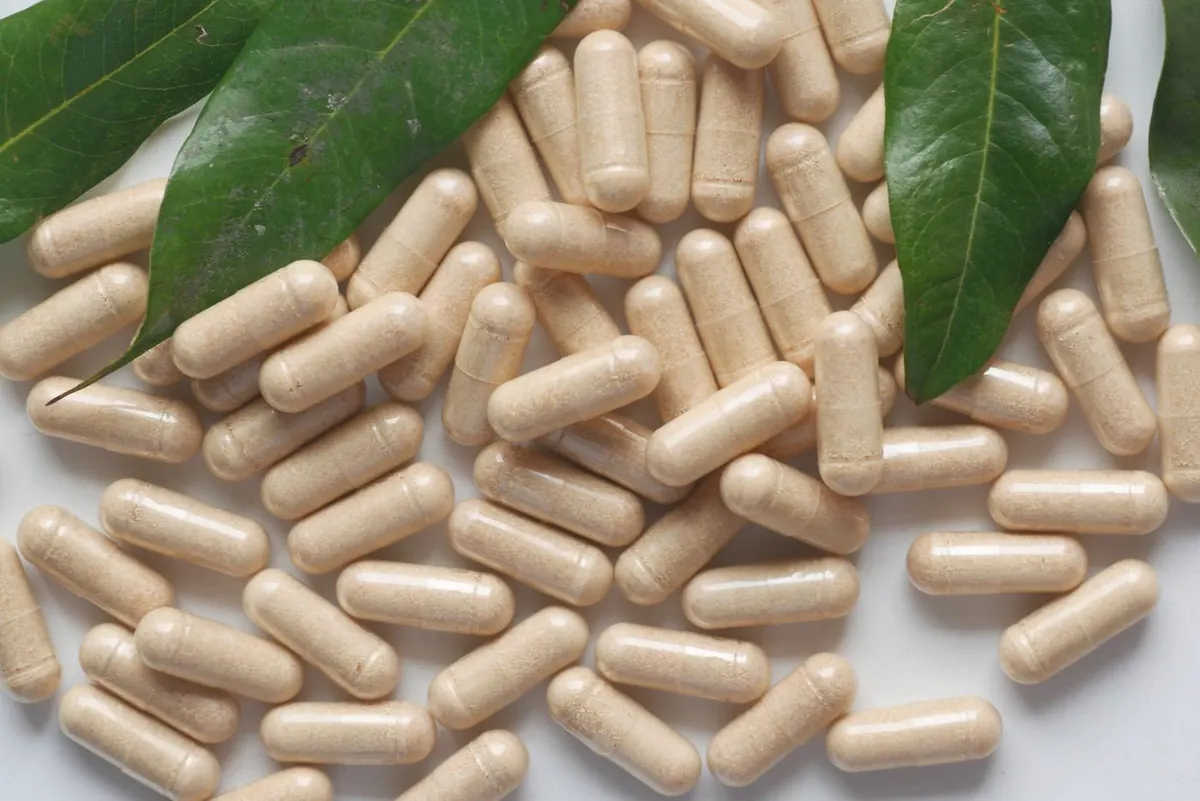
- Microcrystalline cellulose: a purified plant fiber used as a filler so each capsule is filled evenly.
- Gelatin: the capsule shell. It means Vigortrix is not vegetarian or vegan.
- Magnesium stearate: a flow agent that stops powder sticking to manufacturing equipment, used in a large share of capsule supplements.
There are no artificial colors or sweeteners on the label, and no caffeine or stimulant ingredients.
Are the Vigortrix ingredients safe for everyone?
Not for everyone. The label says not to exceed two capsules a day, not for anyone under 18, not for pregnant or nursing women, and to consult a physician if you have a medical condition. Because saw palmetto may interact with anticoagulants, and because Epimedium has been studied on the same enzyme pathway as ED drugs, men on blood thinners, nitrates, blood pressure medication or prescription ED drugs should ask their doctor first. Erection problems can also be an early sign of heart disease or diabetes, so they deserve a check-up in their own right.
For price, the guarantee and how to order, read our Vigortrix review.
Check Vigortrix price on the official site →Opens the brand's official website · money-back guarantee
Frequently asked questions
What is the main ingredient in Vigortrix?
Tongkat Ali, listed as 10 mg of a 100:1 extract per two-capsule serving, which the label describes as equivalent to about 1,000 mg of dried root.
Does Vigortrix contain L-citrulline or maca?
Not according to the official Supplement Facts label (REV 11/25). Some sales pages describe other formulas; the label on your bottle is the one to trust.
Does Vigortrix have a proprietary blend?
No. Each of the seven active ingredients is listed with its own amount.
Is there caffeine in Vigortrix?
No caffeine or stimulant ingredients appear on the label.
What is the difference between Vigortrix and Horsewood ingredients?
Only the sarsaparilla species: Smilax glabra in Vigortrix and Smilax ornata in Horsewood. Everything else on the two labels is the same.
Related reading
 How to use
How to take Vigortrix
The directions fit on one line, but consistency, timing and expectations decide whether you give it a fair trial. A practical guide to the first 60 days.
Read more →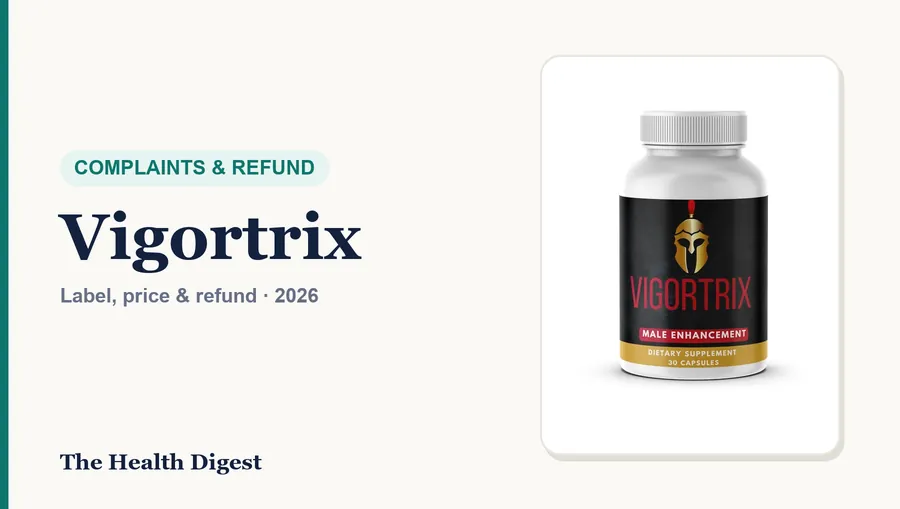 Refunds
Vigortrix complaints and refunds
We looked for Vigortrix complaints and found very few. The ones that exist point to the same lesson: understand the refund process before you need it. Here it is, step by step.
Read more →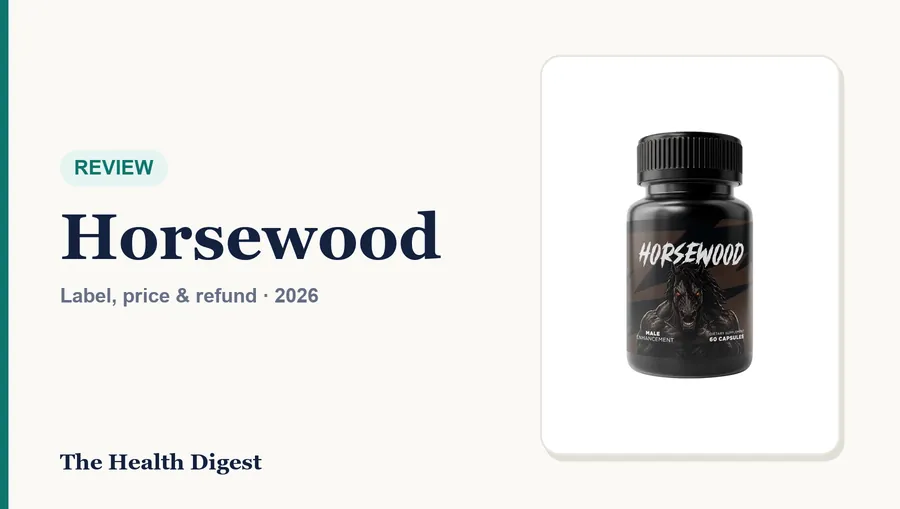 Ingredients
The horse gelatin trick, explained
The videos talk about horses and gelatin. The Supplement Facts labels talk about Tongkat Ali, Horny Goat Weed and five other botanicals. We read both so you know which one to trust.
Read more →
Buy it from the official store so the guarantee applies, and keep your order email until you decide.
Check Vigortrix price on the official site →Opens the brand's official website · money-back guaranteeSources
- Vigortrix official website and Supplement Facts label, REV 11/25 (vigortrix.com), accessed September 2026
- Leitão AE et al. "The Effect of Eurycoma longifolia on Testosterone Levels: A Systematic Review and Meta-Analysis." Nutrients, 2022. pubmed.ncbi.nlm.nih.gov/36013514
- Review of icariin and Epimedium research. pubmed.ncbi.nlm.nih.gov/30522143
- NIH National Center for Complementary and Integrative Health: Saw Palmetto. nccih.nih.gov/health/saw-palmetto