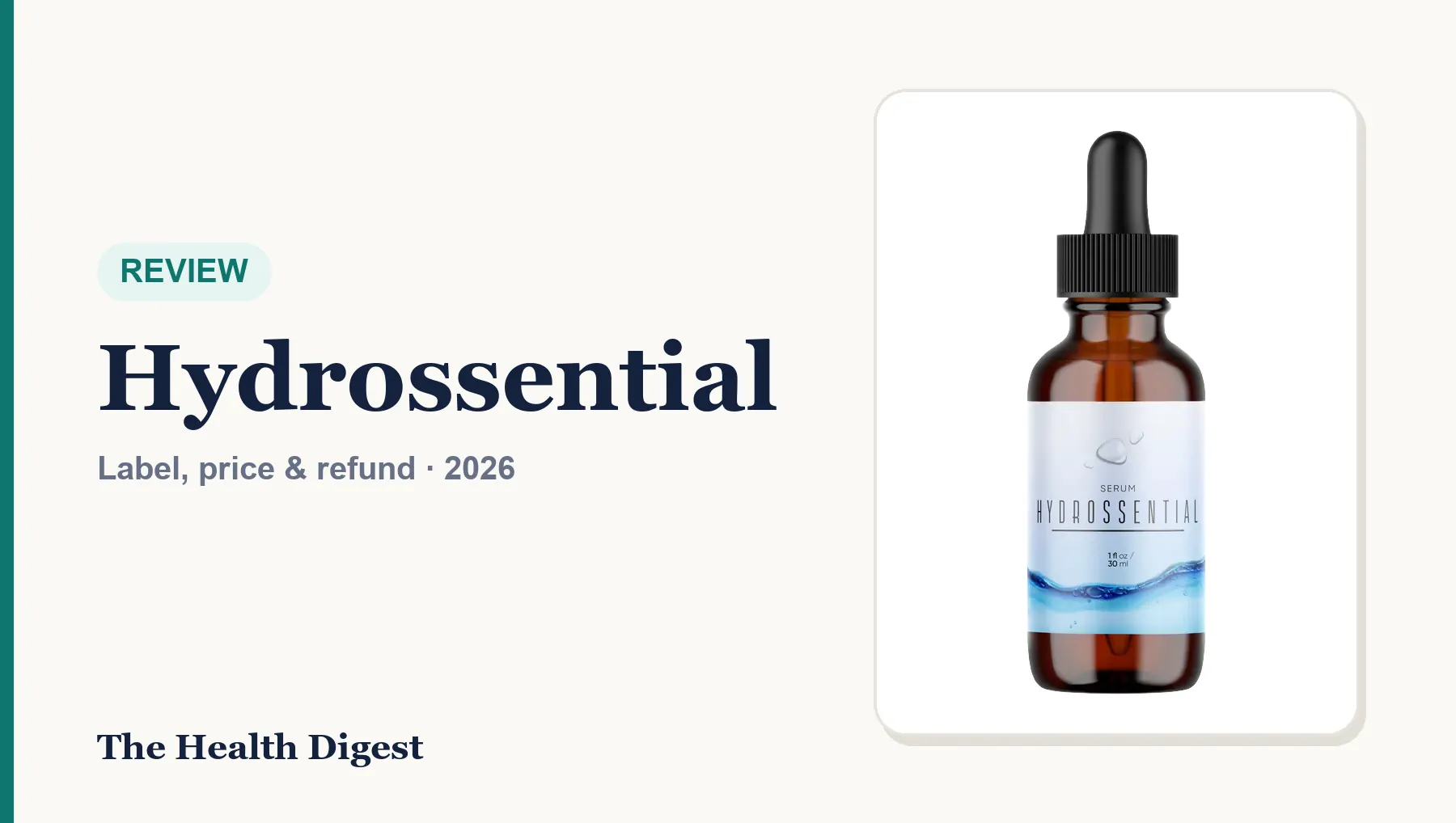
Hydrossential is, at heart, a hydrating gel serum: glycerin, hyaluronic acid and aloe pull water into the skin, and green tea, vitamin C, gotu kola and witch hazel add antioxidant and soothing touches. Used twice a day, a formula like this can make skin feel softer and look plumper, which softens the look of fine lines while it lasts. It will not reverse sagging or "retrain" skin, and the marketing about Japanese women, a biochemist founder and an "FDA approved" facility is overstated or unverifiable. It is also priced well above many hydrating serums with similar core ingredients. A pleasant product, oversold.
What we like
- Full ingredient list published on the official site
- Proven humectants: glycerin, hyaluronic acid, aloe
- Free US shipping on every package, one-time payment
- 60-day money-back guarantee, used bottles included
Keep in mind
- No study of the product itself
- Several botanicals and geranium oil can irritate sensitive skin
- "Japanese witch hazel" claim does not match the label
- Pricey for what it is; no phone line; you pay return shipping
Check Hydrossential price on the official site →Opens the brand's official website · money-back guarantee
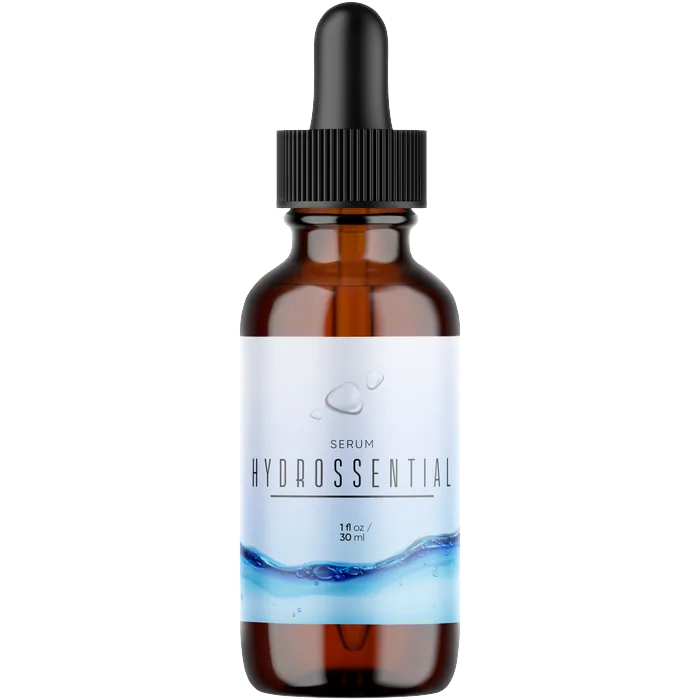
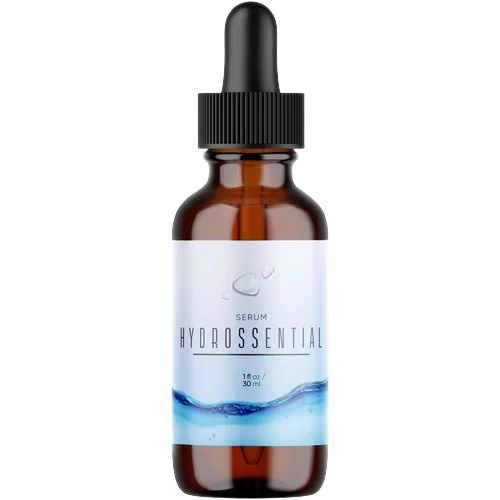
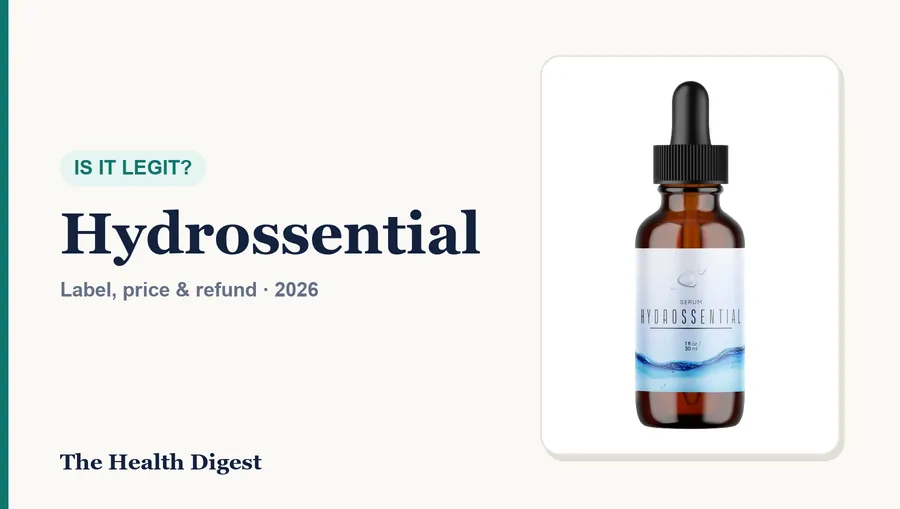
The bottle says Hydrossential Serum, 1 fl oz (30 ml). The website calls it simply Hydrossential. It is the same product.
Hydrossential is a topical face serum marketed to help women "maintain a flawless and glowing complexion" and fight wrinkles and sagging. The label lists water, organic green tea, glycerin, aloe, vitamin C, hops, rosemary, witch hazel, sage, horsetail, lemon peel, gotu kola, Scots pine bud, hyaluronic acid, geranium oil, vitamin E, MSM and jojoba oil in a gel base. You smooth it on clean skin morning and night. It sells on thehydrossential.com for $49 to $69 per bottle with free US shipping, as a one-time payment, with a 60-day money-back guarantee. This review looks at what the ingredients can really do, the price, the refund fine print and who should be careful.
First, a word about aging skin
Most of the visible aging on the face, the fine lines, uneven color, rough texture and loss of firmness, comes from years of sun exposure, with smoking, genetics and time adding to it. That is why dermatologists put daily broad-spectrum sunscreen first on any anti-aging list, followed by ingredients with long track records such as retinoids. A moisturizing serum can make skin look smoother and plumper while it is hydrated, but it does not undo sun damage.
Some skin changes are not cosmetic at all. See a doctor or dermatologist if you notice a new or changing mole or spot, a sore that does not heal, or a patch that bleeds, itches or crusts. Skin cancer is common and very treatable when found early. Sudden dryness, itching or a rash can also signal eczema, a thyroid problem or a reaction to medicine.
Hydrossential is a topical cosmetic serum, for external use only. It is not a dietary supplement, and it is not a treatment for any skin disease.
What is inside Hydrossential?
The full label is published on the site's references page. Cosmetic ingredients are listed from most to least, at least for those above about 1%, so the order tells you something even without percentages.
| Ingredient (label) | What it does in a serum | What research supports |
|---|---|---|
| Glycerin | Humectant: draws water into the top layer of skin | One of the best-studied moisturizing ingredients in dermatology. Reliable for hydration. |
| Hyaluronic acid | Humectant that holds water on the skin surface | Hydrates well. A small study of a nano-hyaluronic acid cream, cited on the site, reported better hydration and fewer visible fine lines; that was a different product. |
| Aloe barbadensis leaf extract | Soothing and hydrating | A study cited on the site found aloe gel improved skin hydration after repeated application. |
| Organic green tea (Camellia sinensis) | Antioxidant polyphenols | Small studies of topical green tea suggest antioxidant and soothing effects; evidence for wrinkles is limited. |
| Vitamin C (ascorbic acid and vitamin C glucoside) | Antioxidant, brightening | Topical vitamin C has real evidence for sun-related aging, usually at 10 to 20% in stable formulas. Its position on this label suggests a much lower level. |
| Gotu kola (Centella asiatica) | Soothing, supports repair | Studied for wound healing and used widely in skincare; anti-aging trials are small. |
| Witch hazel (Hamamelis virginiana) | Astringent, tightens the feel of skin | Can calm and tone; can also dry or irritate sensitive skin. Note: this is the North American species, not "Japanese witch hazel" as the marketing says. |
| Hops, rosemary, sage, horsetail, lemon peel, Scots pine bud, geranium oil | Botanical extracts and fragrance | Mostly lab or traditional evidence (the hops study cited is a lab test against acne bacteria). Essential oils such as geranium are common causes of skin allergy. |
| Vitamin E, MSM, jojoba seed oil | Antioxidant, conditioning, emollient | Jojoba and vitamin E soften and condition skin; MSM evidence in skincare is limited. |
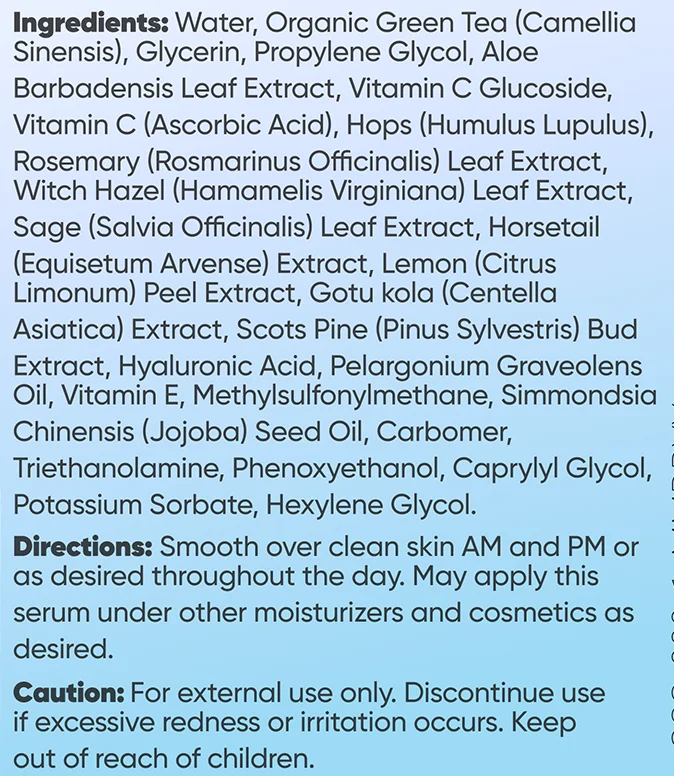
The rest of the list (propylene glycol, carbomer, triethanolamine, phenoxyethanol, caprylyl glycol, potassium sorbate, hexylene glycol) forms the gel and keeps it from spoiling. These are standard, widely used cosmetic ingredients, not "dangerous chemicals", although the order page's claim that the serum contains no chemicals is not literally true of any product.
Every ingredient, up close
Here is every active ingredient on the label, what it actually is, and what research does and does not show.
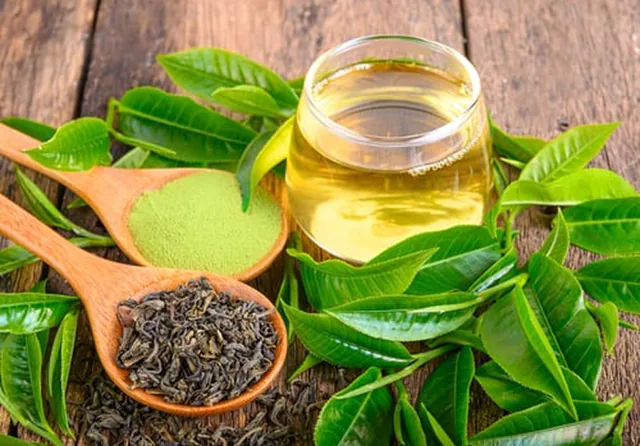
Organic green tea (Camellia sinensis)
Cosmetic ingredients list, no amount given (listed second, right after water)Leaves of the tea plant, rich in antioxidant polyphenols such as EGCG. Being second on the list is encouraging, since it suggests a meaningful amount. Small studies of topical green tea point to antioxidant and soothing effects, but evidence that it reduces wrinkles is limited.
Glycerin
Cosmetic ingredients list, no amount givenA clear, syrupy humectant, usually made from plant oils, that draws water into the top layer of the skin. It is one of the most effective and best-studied moisturizers in dermatology, and it is the main reason a serum like this makes skin feel softer.
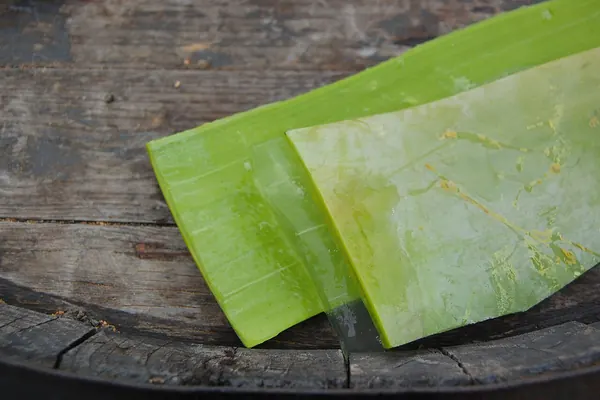
Aloe barbadensis leaf extract
Cosmetic ingredients list, no amount givenThe soothing gel from the aloe leaf. A study cited on the official site found that aloe gel improved skin hydration after repeated application, which fits its role here as a hydrating, calming base.
Photo: Ellywa / CC BY-SA 4.0, via Wikimedia Commons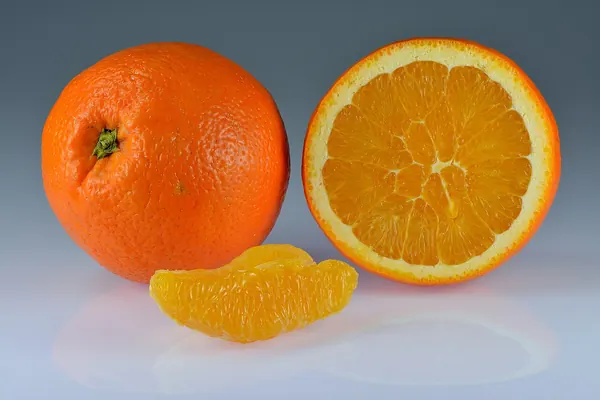
Vitamin C (ascorbic acid and vitamin C glucoside)
Cosmetic ingredients list, no amount givenAn antioxidant with real evidence on the skin for brightening and for reducing signs of sun-related aging (pictured: oranges, a common food source of vitamin C). That evidence mostly comes from stable formulas at around 10 to 20%. Here vitamin C appears after water, green tea, glycerin, propylene glycol and aloe, which points to a much lower level.
Photo: Ivar Leidus / CC BY-SA 4.0, via Wikimedia Commons
Hops
Cosmetic ingredients list, no amount givenThe cone-shaped flowers of Humulus lupulus, best known from beer. The hops study the site cites is a lab test against acne bacteria; there is no human evidence for wrinkles or firmness.
Photo: Robert Flogaus-Faust / CC BY 4.0, via Wikimedia Commons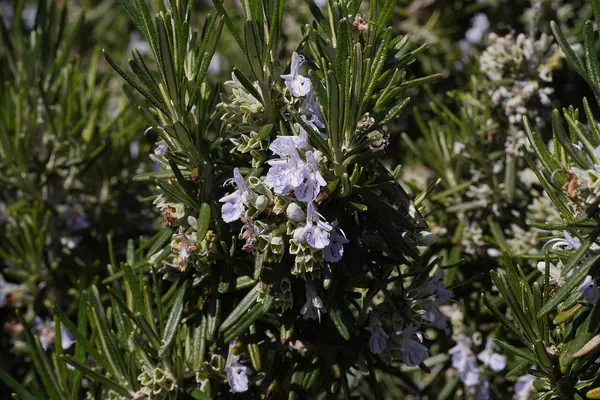
Rosemary
Cosmetic ingredients list, no amount givenAn aromatic Mediterranean herb whose extract is used in cosmetics as an antioxidant and fragrance. Its skin benefits are mostly shown in the lab.
Photo: Nico / CC0, via Wikimedia Commons
Witch hazel (Hamamelis virginiana)
Cosmetic ingredients list, no amount givenAn astringent extract from a North American shrub, the species on the label, not the "Japanese witch hazel" the marketing describes. It can make skin feel tighter and calmer, but it can also dry out or irritate sensitive skin.
Photo: Joshua Lincoln (@joshualincoln) / CC BY 4.0, via Wikimedia Commons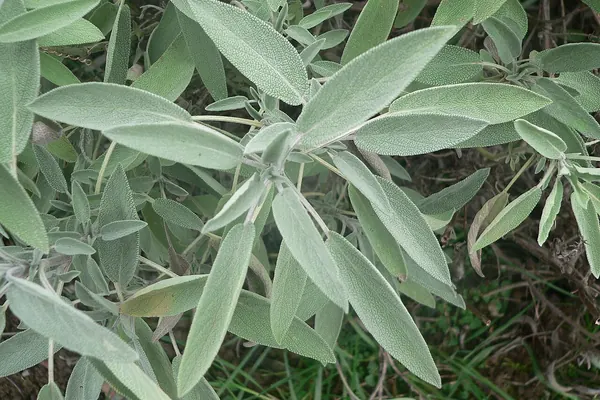
Sage
Cosmetic ingredients list, no amount givenThe culinary herb Salvia officinalis, used in skin care as an antioxidant and astringent. Research on topical sage for aging skin is lab-level.
Photo: David Monniaux / CC BY-SA 3.0, via Wikimedia Commons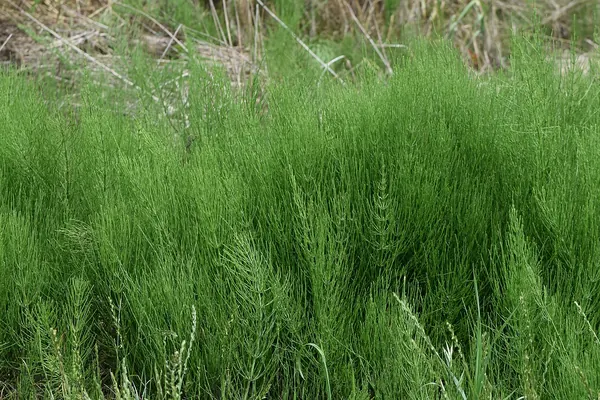
Horsetail
Cosmetic ingredients list, no amount givenA primitive, fern-like plant naturally rich in silica, which marketers link to skin and hair. Evidence for topical horsetail is essentially traditional.
Photo: Krzysztof Ziarnek, Kenraiz / CC BY-SA 4.0, via Wikimedia Commons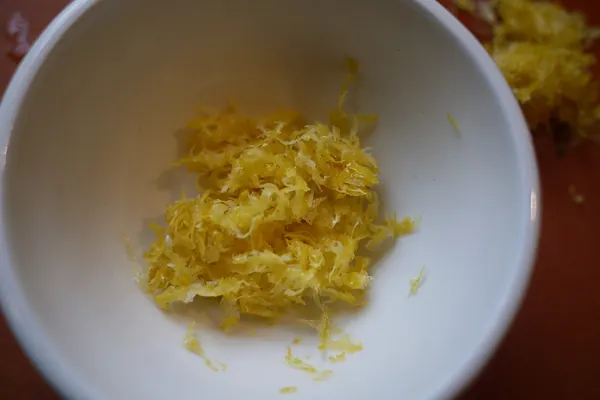
Lemon peel
Cosmetic ingredients list, no amount givenExtract of lemon rind, adding fragrance and plant compounds. Citrus peel can sting sensitive skin, and some citrus compounds can make skin more sensitive to sunlight.
Photo: Rebecca Siegel / CC BY 2.0, via Wikimedia Commons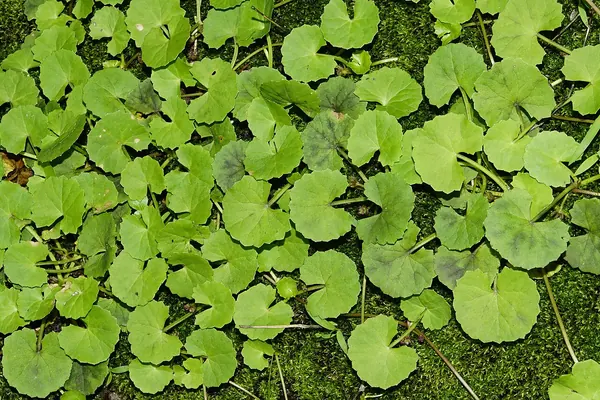
Gotu kola (Centella asiatica)
Cosmetic ingredients list, no amount givenA creeping plant from tropical Asia, sold in skin care as "centella" or "cica". It has research mainly in wound healing and is widely used as a soothing ingredient; trials for anti-aging are small.
Photo: Vengolis / CC BY-SA 4.0, via Wikimedia Commons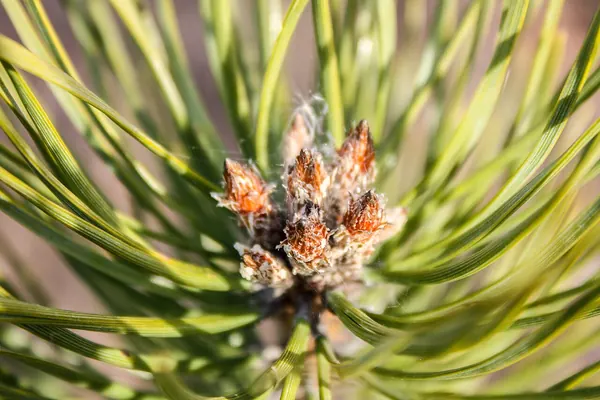
Scots pine bud
Cosmetic ingredients list, no amount givenExtract from the young buds of Pinus sylvestris, used mostly for its resinous scent and traditional use. There is no meaningful human research on skin.
Photo: Baranova Uliana / CC BY 4.0, via Wikimedia CommonsHyaluronic acid
Cosmetic ingredients list, no amount given (listed near the end)A sugar molecule found naturally in skin that holds a large amount of water on the surface, so well-hydrated skin looks smoother and fine "dehydration lines" fade while it is on. A small study of a nano-hyaluronic acid cream, cited on the site, reported better hydration and fewer visible fine lines, but that was a different product, and here it appears near the end of the list.
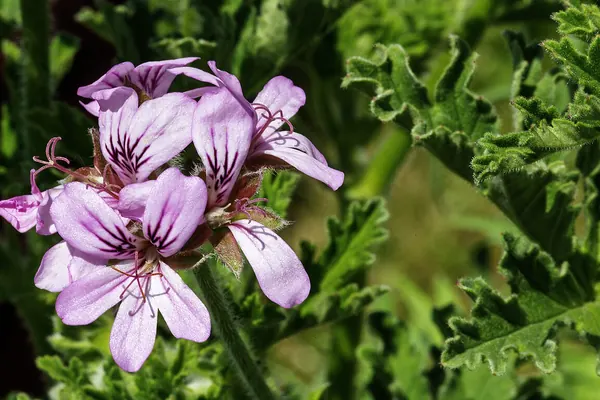
Geranium oil
Cosmetic ingredients list, no amount givenAn essential oil from rose geranium, used mainly for fragrance. Essential oils like this are a common cause of skin allergy, which is why a patch test is worth doing.
Photo: Didier Descouens / CC BY-SA 4.0, via Wikimedia Commons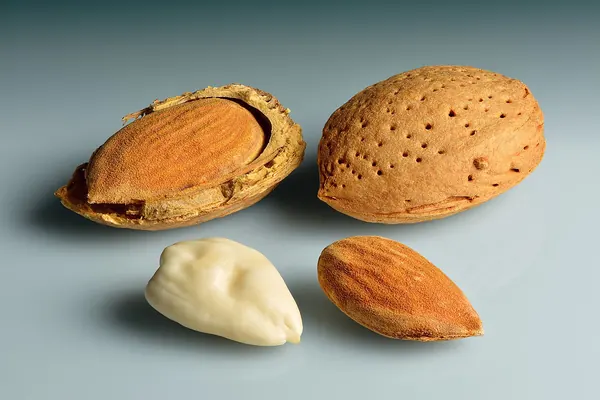
Vitamin E
Cosmetic ingredients list, no amount givenAn oil-soluble antioxidant that conditions skin and protects the formula from going off (pictured: almonds, a common food source of vitamin E). In a serum it is a supporting ingredient, not an anti-aging treatment on its own.
Photo: Ivar Leidus / CC BY-SA 4.0, via Wikimedia CommonsMSM (methylsulfonylmethane)
Cosmetic ingredients list, no amount givenA sulfur compound sold mostly as a joint supplement. Evidence for MSM in skincare is limited to small studies of combination products.
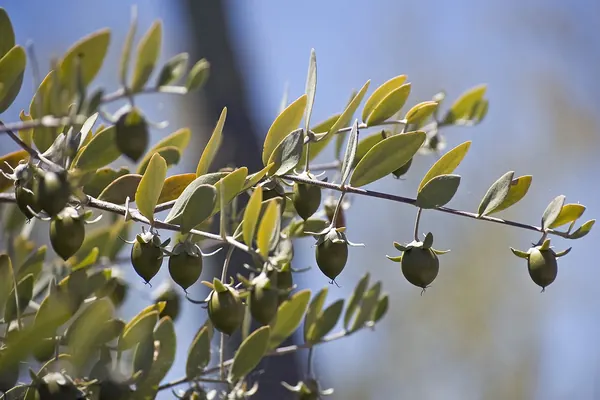
Jojoba seed oil
Cosmetic ingredients list, no amount givenA liquid wax pressed from the seeds of a desert shrub native to the southwestern US and Mexico. It is a gentle emollient that softens skin and rarely causes problems.
Photo: Kenneth Bosma / CC BY 2.0, via Wikimedia CommonsWhat the marketing claims, and what it skips
The video page opens with "Controversial Beauty Study Uncovers Why Japanese Women Have Perfect Skin", and the text version is written by "Emma Smith", described as a 38-year-old biochemist "specializing in water retention". We could not verify her or the study, and neither is named on the label, which lists the distributor as ShipOffers of Englewood, Colorado. A few other points deserve a calm look:
- "Japanese witch hazel." The marketing names it; the label lists Hamamelis virginiana, the common North American witch hazel.
- "Retrain your skin to self-moisturize." Humectants hydrate the skin while they are on it. Nothing in the formula has been shown to permanently change how skin holds water.
- "FDA approved facility." The FDA does not approve cosmetics or facilities in that sense; the site's own FAQ later says "FDA accredited", and elsewhere notes the FDA does not review supplements.
- Supplement language. The refund page talks about "supplement bottles" and the FAQ says "supplements take around 9-12 weeks". Hydrossential is a serum you apply, not a supplement you swallow.
- "Designed for all ages and medical conditions." No skincare product suits everyone, especially with essential oils and witch hazel in the formula.
- Scarcity. "It will take me at least 8 months to restock" is a sales line. Take your time.
Check Hydrossential price on the official site →Opens the brand's official website · money-back guarantee
How to use Hydrossential
The label says to smooth it over clean skin morning and evening, or as desired during the day, and that it can go under other moisturizers and makeup. The FAQ suggests rubbing it in as you would a face cream after cleansing. Before your first full use, try a little on the inside of your forearm or behind the ear for a day or two. In the morning, finish with sunscreen: no serum replaces it. Stop if you notice redness, burning or itching, as the label advises.
How much does Hydrossential cost?
The official order page sells three packages, each a single charge with free shipping anywhere in the US. The page states there is no subscription and no hidden charges.
 1 bottle30-day supply$69 /bottle$69 · free US shippingCheck availability →Best value
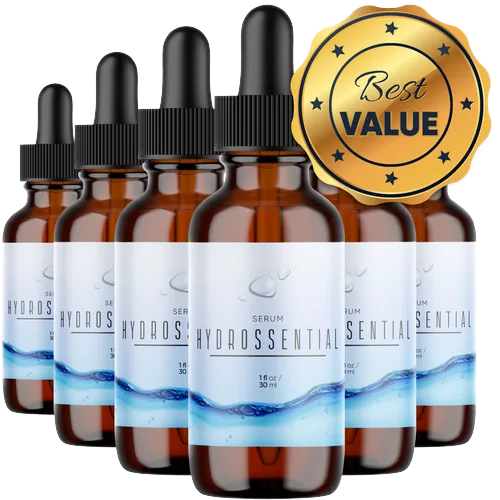 6 bottles180-day supply$49 /bottle$294 · free US shippingCheck availability →
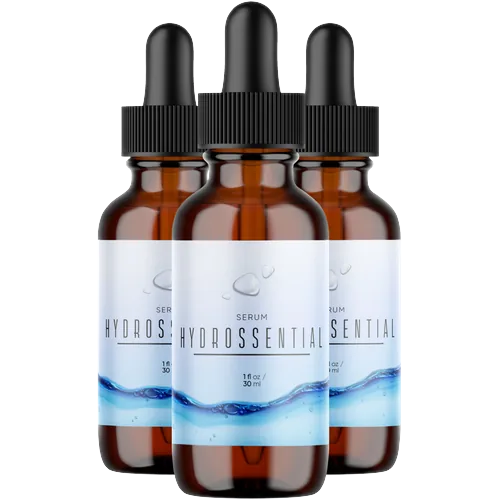 3 bottles90-day supply$59 /bottle$177 · free US shippingCheck availability →
| Package | Supply | Price per bottle | Total | Extras |
|---|---|---|---|---|
| 1 bottle | 30-day supply | $69 | $69 | free US shipping |
| 6 bottles | 180-day supply | $49 | $294 | free US shipping |
| 3 bottles | 90-day supply | $59 | $177 | free US shipping |
Prices as listed on the official order page when we checked. They change from time to time, so the checkout page is the final word.
International orders pay $15.95 shipping to Canada, the UK, Ireland, Australia and New Zealand, with 10 to 15 working days for delivery; US orders take 5 to 7 working days. There are no bonuses. One 30 ml bottle is sold as a 30-day supply at twice-daily use.
How the 60-day guarantee works
Every order from the official Hydrossential store is covered by a 60-day money-back guarantee, and it is a one-time payment with no subscription or auto-shipment.
The refund policy gives you 60 days from the date your order ships, and the order page says this applies even if you used up the bottle. Fill in the Return and Refund Form that comes with your order, then send all bottles to 19655 E 35th Dr #100, Aurora, CO 80011, USA. Questions go to contact@hydrossential-product.com. Two things to know:
- You pay return shipping. Packages mailed on day 59 still count if they arrive a few days later.
- No phone number is listed; support is by email, and order issues go through BuyGoods.
Who should be careful with Hydrossential?
- People with eczema, rosacea or very sensitive skin: witch hazel, vitamin C, citrus and essential oils such as geranium can sting or trigger flares. Patch test first.
- Anyone allergic to fragrance, essential oils or plant extracts: the formula contains several botanicals and geranium oil.
- People using prescription retinoids, acne treatments or chemical peels: stacking actives can increase irritation. Ask your dermatologist how to fit it in.
- Anyone with broken, infected or recently treated skin (after a procedure, laser or peel): wait until your provider says it is healed.
- Children: the label says to keep it out of reach. It is for external use only and should not be swallowed.
Most people tolerate hydrating serums well. The usual problems are stinging on sensitive or broken skin and, less often, an allergic rash from a botanical or essential oil.
What to realistically expect
Within days, a serum like this can make skin feel softer and look a little plumper and dewier. Fine lines caused by dryness may look less obvious. Deeper wrinkles, sagging and sun spots will not change much, because they come from collagen loss and sun damage, which call for sunscreen, retinoids and sometimes procedures. Use it twice daily for four to six weeks with sunscreen, take a photo in the same light at the start and the end, and decide before day 60.
Our verdict
Hydrossential is a decent hydrating serum with a sensible core of glycerin, hyaluronic acid and aloe, plus antioxidant and soothing extras. It is sold with a story that overreaches, a few claims that do not match the label, and a price above many comparable serums. If you like the idea of a botanical hydrating serum and your skin is not very sensitive, it is a reasonable purchase from the official site, backed by a 60-day refund. Just keep your expectations at "better hydrated", not "years younger".
Check Hydrossential price on the official site →Opens the brand's official website · money-back guarantee
Your doubts, answered honestly
Is this a scam?
The product is real and the label is public: a full ingredients list on the references page, a distributor named on the bottle (ShipOffers of Englewood, Colorado), orders handled through BuyGoods and a written refund policy with an Aurora, Colorado returns address. What we could not verify is the story around it: the "biochemist" author, the study about Japanese women, and the "FDA approved facility" wording, which is not how the FDA treats cosmetics. Treat the marketing with skepticism and judge the serum by its label.
Why does it cost $49 to $69 a bottle?
One 30 ml bottle is sold as a 30-day supply, so you pay about a dollar and sixty cents to about two dollars and thirty cents a day, depending on the package. That is more than many hydrating serums built on the same core of glycerin, hyaluronic acid and aloe, which are usually much cheaper in ordinary stores. The extra money buys the long botanical list and the 60-day guarantee.
Will it work for me?
If "work" means softer, better-hydrated skin, very likely: the humectants do that within days, as long as you keep using it. If it means fewer deep wrinkles, less sagging or fading sun spots, no. Those come from collagen loss and sun damage and call for sunscreen, retinoids and sometimes procedures. There is no study of Hydrossential itself.
Is it safe? Can I use it with my skin treatments?
Most people tolerate hydrating serums well. The risks are stinging or an allergic rash from witch hazel, vitamin C, lemon peel or geranium oil, so patch test first, especially with eczema, rosacea or a fragrance allergy. If you use prescription retinoids, acne treatments or peels, ask your dermatologist how to fit it in, and wait until skin has healed after any procedure.
What if it does not work?
You have 60 days from the date your order ships, and the order page says used bottles count. Fill in the return form that comes with the order and send all bottles to the Aurora, Colorado address. You pay return shipping, and there is no phone line, so use email and keep your order confirmation.
Why not just buy it on Amazon?
The guarantee in this review applies to orders from the official store. We cannot vouch for listings on other marketplaces, and a bottle from a third-party seller would not be covered by that refund policy.
Do you get paid if I buy?
Yes. If you order through our buttons we may earn a commission, at no extra cost to you. It does not change our assessment, and the buttons take you to the brand's own order page.
Frequently asked questions
What are the ingredients in Hydrossential?
The label lists water, organic green tea, glycerin, propylene glycol, aloe leaf extract, vitamin C glucoside, ascorbic acid, hops, rosemary, witch hazel, sage, horsetail, lemon peel, gotu kola, Scots pine bud extract, hyaluronic acid, geranium oil, vitamin E, MSM and jojoba oil, plus carbomer, triethanolamine, phenoxyethanol, caprylyl glycol, potassium sorbate and hexylene glycol. Concentrations are not given.
How do you use Hydrossential?
Smooth it over clean skin morning and evening, or as desired. The label says you can apply it under other moisturizers and makeup. It is for external use only.
How much does Hydrossential cost?
1 bottle for $69, 3 bottles for $177 ($59 each) or 6 bottles for $294 ($49 each). US shipping is free on every package.
Is Hydrossential a supplement or a serum?
A topical serum. Some pages on the site use supplement language, but the label is clear: smooth over clean skin, for external use only.
Is Hydrossential a subscription?
No. The order page and FAQ say each order is a one-time payment with no recurring shipments.
Who pays return shipping on Hydrossential?
The customer. The refund policy says the company does not cover return shipping costs.
Related reading
 Legit or scam?
Is Hydrossential legit or a scam?
Hydrossential has a real checkout, a full label and a Colorado returns address. It also has an unverifiable founder story and claims its label contradicts. Here is what to know before you pay.
Read more →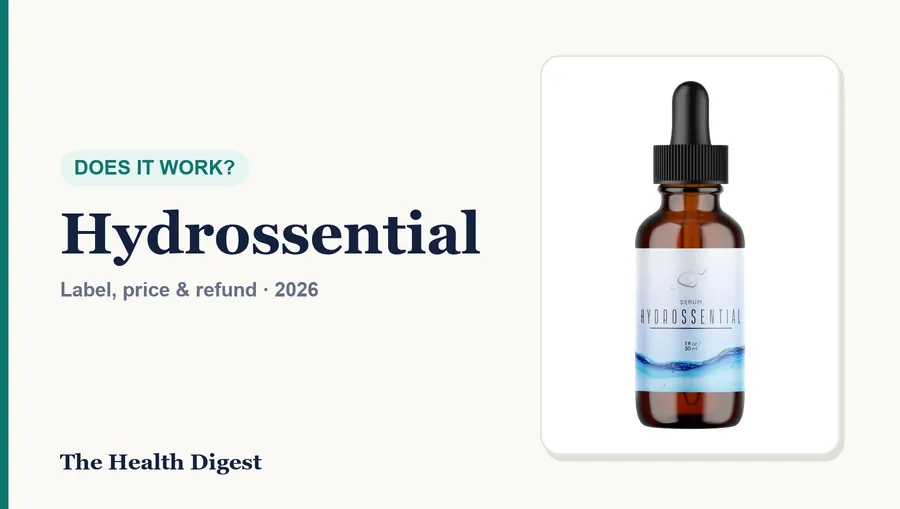 Review
Does Hydrossential work?
Hydrossential is built on proven hydrators. Here is what hydration can and cannot do for aging skin, what the cited studies really tested, and how to judge the serum fairly.
Read more →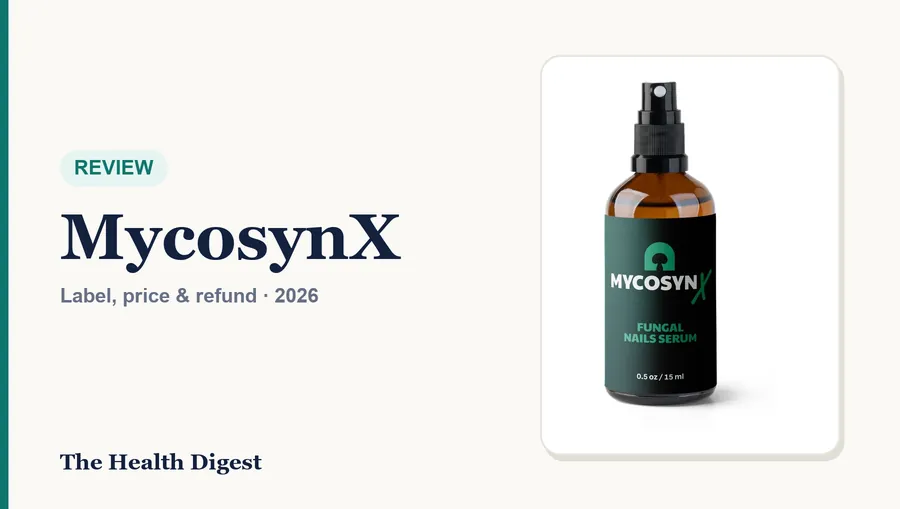 Review
MycosynX review
MycosynX is not something you swallow. It is a 0.5 oz serum you brush onto the nails and cuticles. Here is what the label lists, how it is meant to be used, what it costs and how the refund works.
Read more →
Buy it from the official store so the guarantee applies, and keep your order email until you decide.
Check Hydrossential price on the official site →Opens the brand's official website · money-back guaranteeSources
- Hydrossential official order page, text presentation, FAQ, product label, references, refund policy and shipping policy (thehydrossential.com), accessed October 2026
- MedlinePlus: Aging changes in skin. medlineplus.gov
- MedlinePlus: Skin Cancer. medlineplus.gov/skincancer.html
- Efficacy of a New Topical Nano-hyaluronic Acid in Humans. J Clin Aesthet Dermatol, 2014 (cited on the official site). pmc.ncbi.nlm.nih.gov/articles/PMC3970829
- In vivo skin hydration and anti-erythema effects of Aloe vera, Aloe ferox and Aloe marlothii gel materials. Pharmacogn Mag, 2014 (cited on the official site). pmc.ncbi.nlm.nih.gov/articles/PMC4078333
- Hop Extract Acts as an Antioxidant with Antimicrobial Effects against Propionibacterium acnes and Staphylococcus aureus. Molecules, 2019 (cited on the official site). pmc.ncbi.nlm.nih.gov/articles/PMC6359372
- NCCIH: Aloe Vera. nccih.nih.gov/health/aloe-vera
- NCCIH: Green Tea. nccih.nih.gov/health/green-tea