Derma Prime Plus is a liver-herb capsule with a useful dose of zinc, marketed as a way to reverse wrinkles. Unlike many products, it prints the amounts of its main ingredients, it ships free in the US and it is backed by a 60-day guarantee. The weak point is the idea behind it: wrinkles and sagging are driven by age and sun damage, not by "toxins in the liver", and no study shows these herbs make skin look younger. The sales pitch also promises "10 years off your face in days", which no capsule can deliver. It may suit someone who wants a zinc and milk thistle supplement, as long as their expectations for their face are modest.
What we like
- Label shows doses for zinc, milk thistle and eight herbs
- Two capsules a day, free US shipping on every package
- One-time payment, no subscription
- 60-day money-back guarantee
Keep in mind
- "Liver toxins cause wrinkles" is not established science
- Berberine and other herbs interact with common medicines
- "10 years off your face in days" is not realistic
- Email-only support; you pay return shipping
Check Derma Prime Plus price on the official site →Opens the brand's official website · money-back guarantee
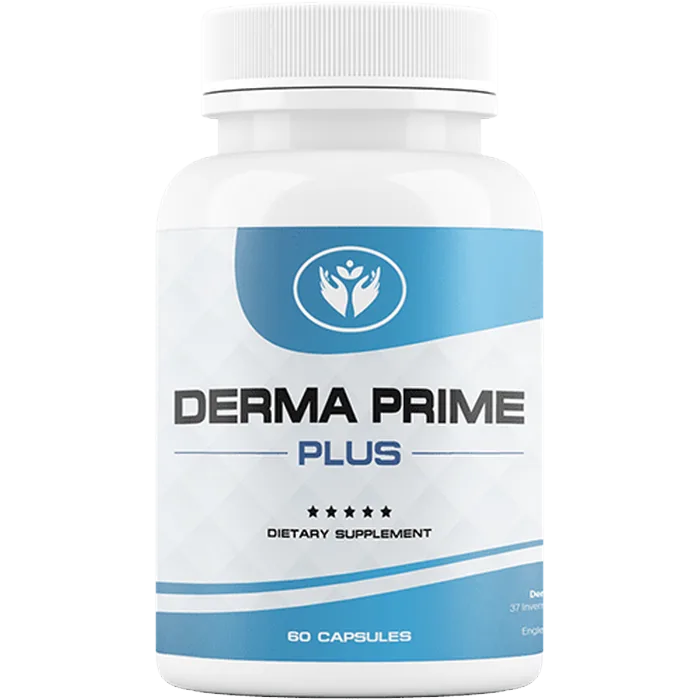
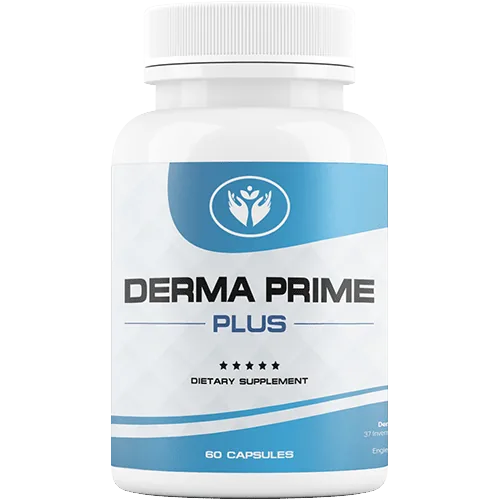
The bottle says Derma Prime Plus, a dietary supplement with 60 veggie capsules. Some search results write it as DermaPrime Plus; it is the same product.
Derma Prime Plus is a daily capsule for skin built on a liver-support formula. The label lists 30 mg of zinc, 200 mg of milk thistle, 50 mg each of seven herbs including chanca piedra, dandelion and artichoke, and a blend of thirteen more ingredients including burdock, turmeric and berberine. You take two capsules a day. It is sold through thedermaprimeplus.com at $49 to $69 per bottle with free US shipping and a 60-day money-back guarantee. This review covers what the label contains, the evidence for skin, the price, the refund terms and the safety points.
First, a word about skin changes
Wrinkles, sagging and brown spots are mostly the result of age, genetics and, above all, years of sun exposure; smoking speeds them up. They are not a sign that something is wrong with your liver. Liver disease can show up on the skin, but in different ways: yellowing of the skin or eyes, persistent itching, easy bruising or small spider-like blood vessels.
So see a doctor if you notice any of those signs, or if a spot on your skin is new, changing in size, shape or color, bleeding or not healing, since that needs to be checked for skin cancer. Derma Prime Plus is a dietary supplement, not a treatment for any skin or liver condition.
What is inside Derma Prime Plus?
The references page shows the full Supplement Facts label. A serving is two veggie capsules, and each bottle holds 30 servings.
| Ingredient (per 2 capsules) | What the brand says | What research supports |
|---|---|---|
| Zinc (oxide), 30 mg (273% DV) | Skin support | Zinc is needed for skin repair, and oral zinc has some trials in acne with modest results. 30 mg is below the 40 mg adult upper limit, but close to it if you also take a multivitamin. |
| Milk thistle seed, 200 mg | Liver regeneration, clearer skin | Studied for liver disease with inconclusive results, according to NCCIH. No good trials for wrinkles or skin aging. |
| Beet, artichoke, chanca piedra, dandelion, chicory, yarrow, jujube, 50 mg each | Liver cleansing herbs | Small amounts of traditional digestive and "liver" herbs. Mostly lab or animal research; nothing showing younger-looking skin. |
| Proprietary blend, 571 mg (celery seed, alfalfa, burdock, yellow dock, methionine, grape seed, L-cystine, feverfew, choline, turmeric, red raspberry, berberine, ginger) | Deep toxin cleanse for liver and skin | Thirteen ingredients share about half a gram, so each is a small dose. Berberine is pharmacologically active and interacts with many medicines; the amount is not disclosed. |
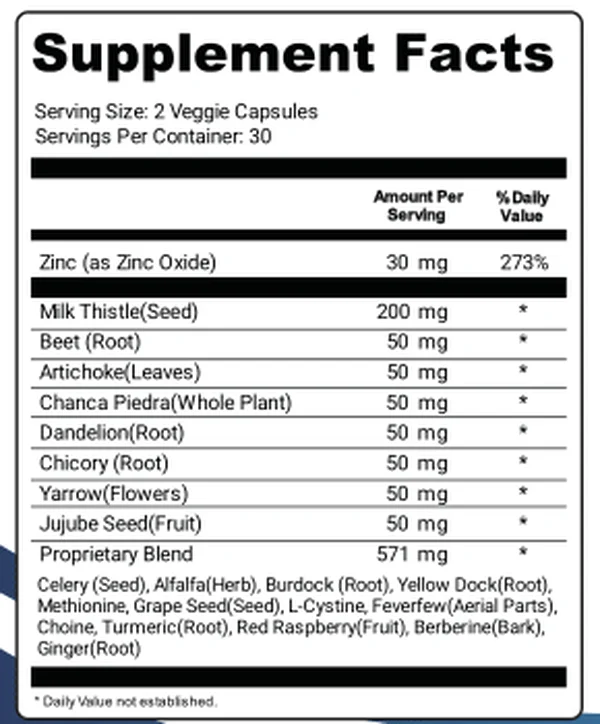
This is more transparent than most products in the category: the first ten ingredients have stated amounts. The blend at the bottom does not, which matters mainly for berberine, an active plant compound that is often taken at 500 mg or more in studies. Here it shares 571 mg with twelve other ingredients, so the dose is likely much smaller.
Every ingredient, up close
Here is every active ingredient on the label, what it actually is, and what research does and does not show.
Zinc (as zinc oxide)
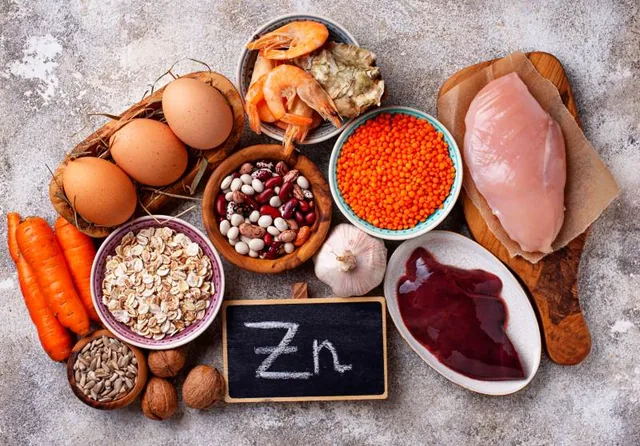
30 mg (273% DV)An essential mineral the body needs for wound healing and skin repair, and the strongest ingredient on this label (pictured: pumpkin seeds, a common food source of zinc). Several trials of oral zinc for acne, at doses in this range, found modest benefits, generally weaker than standard acne treatment; if you are not low in zinc, extra zinc is unlikely to make skin look younger. At 30 mg you are close to the 40 mg adult upper limit, so do not stack it with a multivitamin or another zinc product.
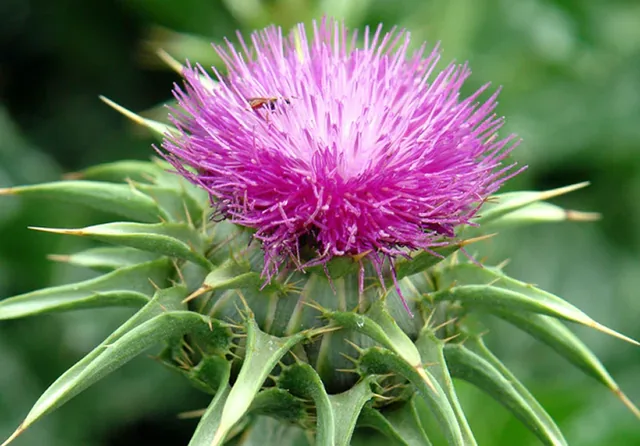
Milk thistle seed
200 mgThe seeds of Silybum marianum, a thistle from the Mediterranean, whose active complex is called silymarin. It is the most studied liver herb, yet NCCIH describes the trials in liver disease as mixed and largely inconclusive, and there are no good human trials for wrinkles or skin tone. Liver studies have typically used several hundred milligrams of standardized silymarin a day; this label lists 200 mg of seed without saying how much silymarin it holds.
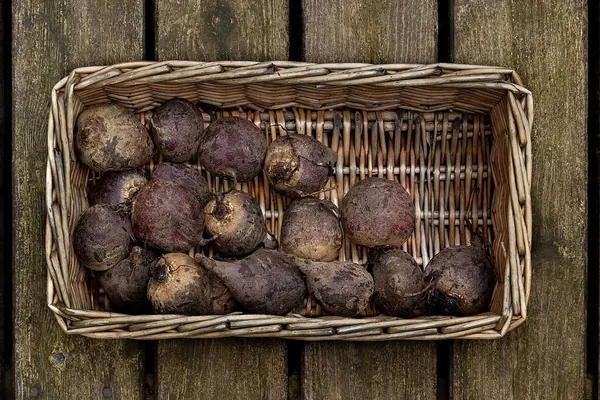
Beet root
50 mgPowdered beetroot, a vegetable best known for its nitrates, which are studied for blood pressure and exercise at gram-level doses from juice. At 50 mg it is a sprinkle, and there is no skin research behind it.
Photo: W.carter / CC BY-SA 4.0, via Wikimedia Commons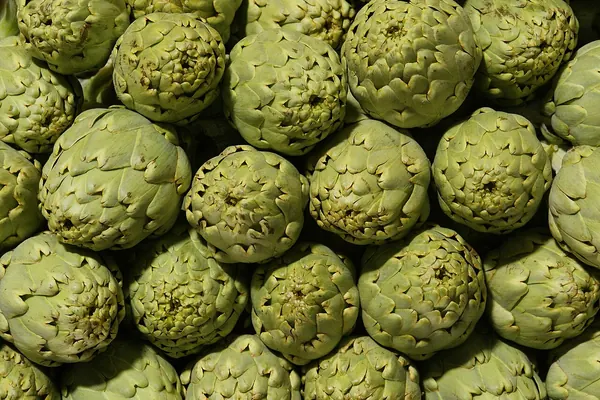
Artichoke leaf
50 mgExtract from the leaves of the globe artichoke, traditionally used for digestion and studied in small trials for indigestion and cholesterol, usually at several hundred milligrams or more. 50 mg is well below that, and nothing links it to younger-looking skin. It belongs to the daisy family.
Photo: Hans Hillewaert / CC BY-SA 3.0, via Wikimedia Commons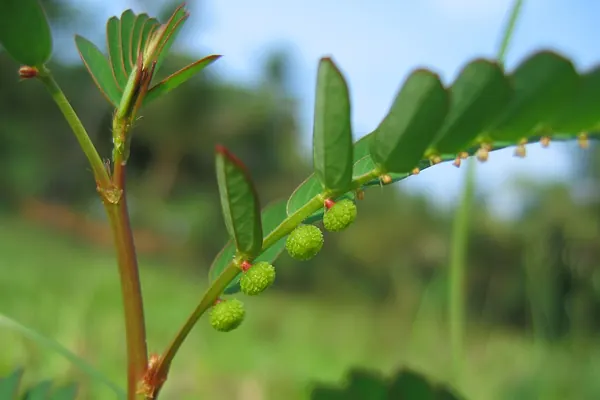
Chanca piedra
50 mgA small tropical plant (Phyllanthus niruri) whose Spanish name means "stone breaker", used in folk medicine for kidney stones and the liver. Human evidence is limited to small studies, none on skin. It has a mild diuretic effect.
Photo: Vinayaraj / CC BY-SA 3.0, via Wikimedia Commons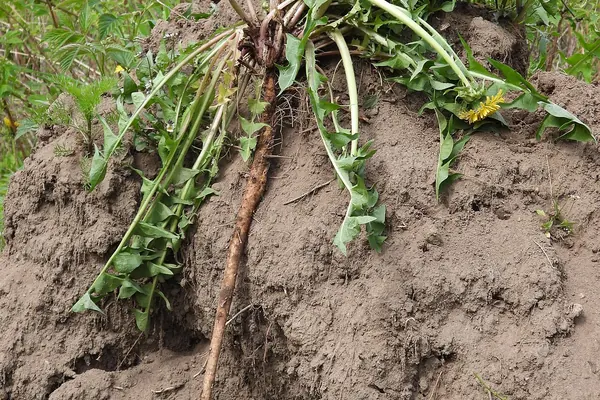
Dandelion root
50 mgThe root of the common lawn weed, a traditional "liver tonic" and diuretic. NCCIH says there is little reliable human evidence for dandelion for any health purpose. It belongs to the daisy family and may matter for people on lithium or water pills.
Photo: Sergei Frolov / CC BY-SA 4.0, via Wikimedia Commons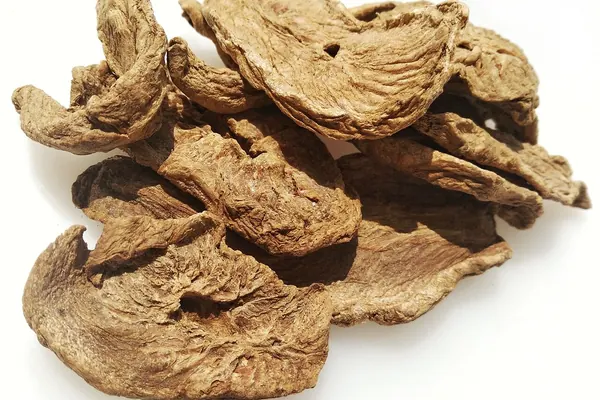
Chicory root
50 mgThe root of Cichorium intybus, rich in the fiber inulin and roasted as a coffee substitute. Inulin is studied as a prebiotic at gram doses; 50 mg of root is far too little for that, and there is no skin evidence.
Photo: Herbeater / CC BY-SA 4.0, via Wikimedia Commons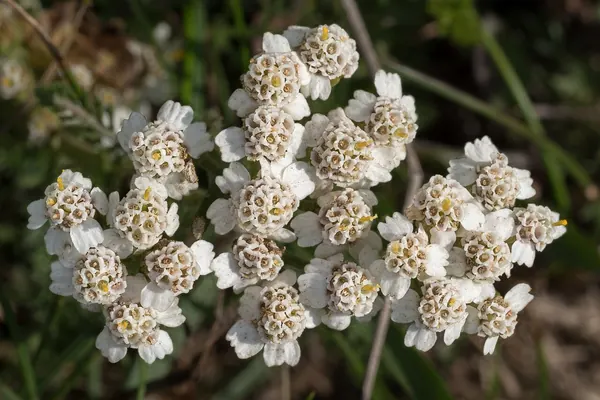
Yarrow flowers
50 mgA meadow plant from the daisy family used traditionally on wounds and for digestion. Research in people is very limited, and it can trigger reactions in people allergic to ragweed.
Photo: Rhododendrites / CC BY-SA 4.0, via Wikimedia Commons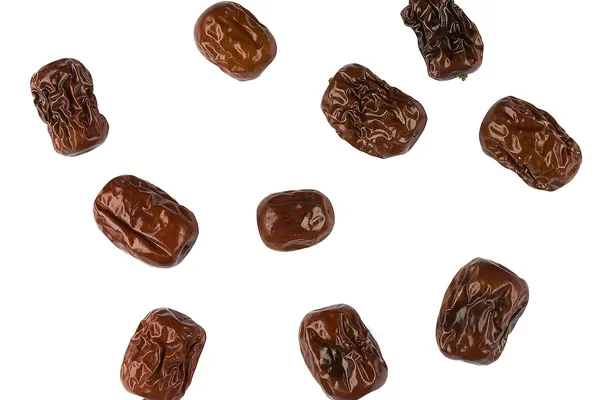
Jujube seed
50 mgJujube is a date-like fruit from Asia; the seed is used in traditional Chinese medicine mainly for sleep and calm (pictured: dried jujube fruits). There are no good human studies tying it to skin or the liver.
Photo: Roger Culos / CC BY-SA 3.0, via Wikimedia Commons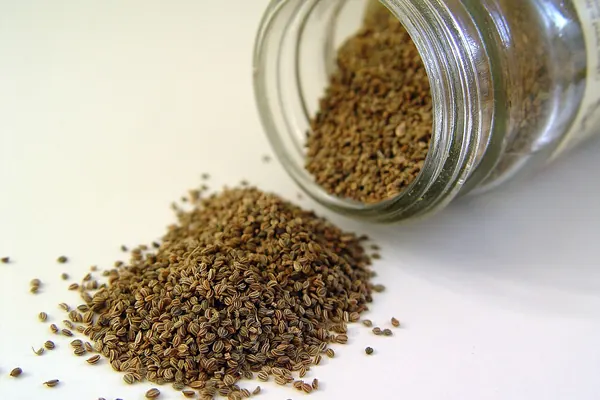
Celery seed
In a 571 mg blend, amount not disclosedThe tiny seeds of the celery plant, used as a spice and a folk diuretic. Its amount here is unknown, and there is no skin research.
Photo: Holly Cheng / CC BY-SA 3.0, via Wikimedia Commons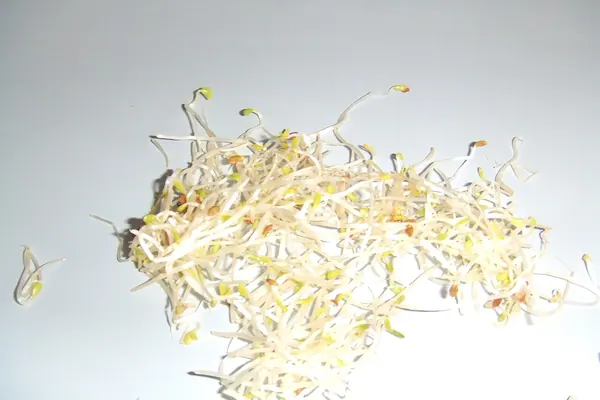
Alfalfa
In a 571 mg blend, amount not disclosedA legume grown mostly as animal feed, eaten by people as sprouts. It contains vitamin K, which matters if you take warfarin, and it is usually discouraged for people with lupus.
Photo: No machine-readable author provided. Hans B.~commonswiki assumed (based on copyr / Public domain, via Wikimedia Commons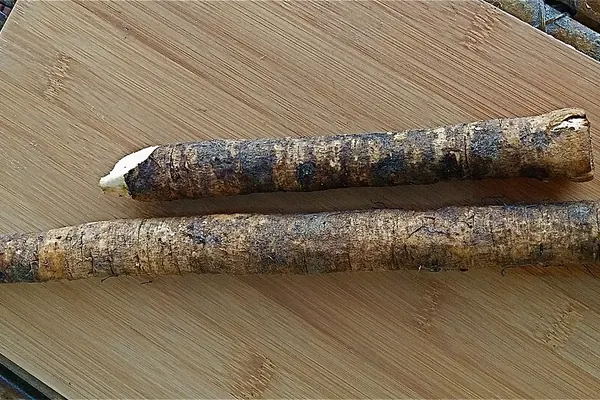
Burdock
In a 571 mg blend, amount not disclosedA long root eaten as a vegetable in Japan and used in Western herbalism as a "blood cleanser" for skin. Human evidence for skin is essentially absent, and the dose here is undisclosed.
Photo: Susan Slater / CC BY-SA 4.0, via Wikimedia Commons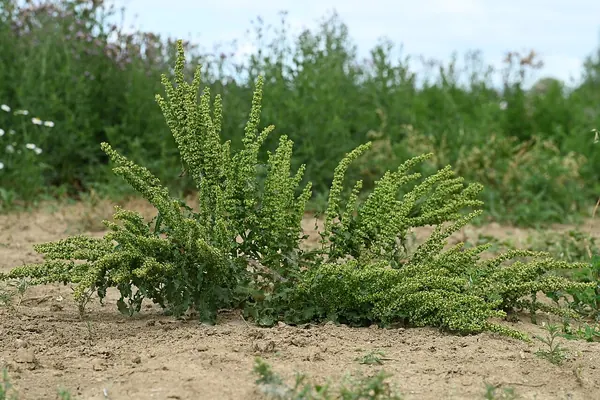
Yellow dock
In a 571 mg blend, amount not disclosedThe root of curly dock, a common weed, used traditionally as a mild laxative. It has no meaningful human research for skin.
Photo: Krzysztof Ziarnek, Kenraiz / CC BY-SA 4.0, via Wikimedia Commons
Methionine
In a 571 mg blend, amount not disclosedAn essential amino acid the body uses to build proteins, including keratin (pictured: eggs, a common food source of methionine). A normal diet with protein supplies far more than a blend could add.
Photo: George Chernilevsky / CC BY-SA 4.0, via Wikimedia Commons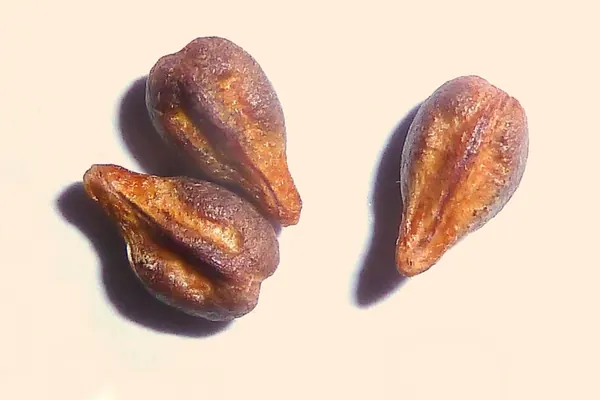
Grape seed
In a 571 mg blend, amount not disclosedGrape seed extract is rich in antioxidant compounds called proanthocyanidins. Studies of it for skin are small and preliminary, and it may add to bleeding risk with blood thinners.
Photo: Philmarin / CC BY-SA 3.0, via Wikimedia Commons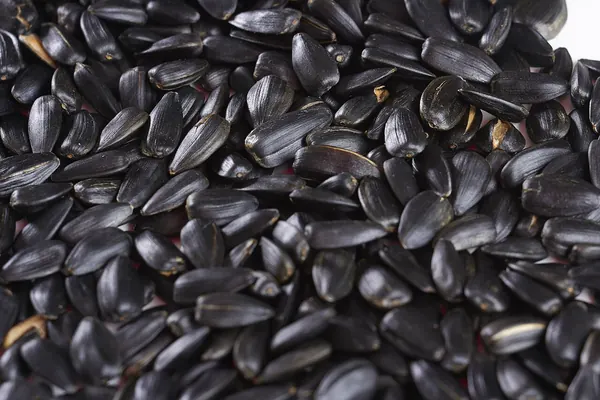
L-cystine
In a 571 mg blend, amount not disclosedA sulfur-containing amino acid found in hair and nail keratin (pictured: sunflower seeds, a common food source). Like methionine, you already get it from protein in food.
Photo: Dmitry Makeev / CC BY-SA 4.0, via Wikimedia Commons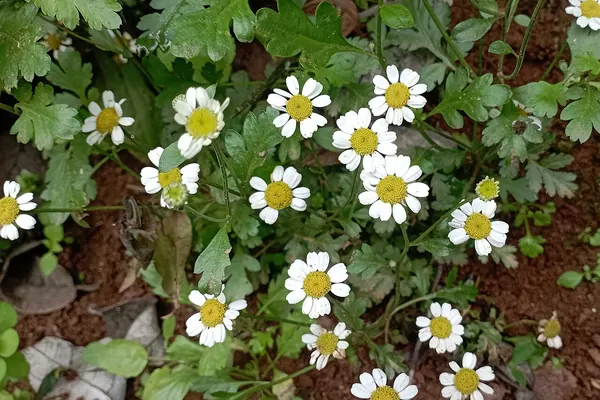
Feverfew
In a 571 mg blend, amount not disclosedA daisy-like herb studied mainly for migraine prevention, with mixed results according to NCCIH. It is generally avoided in pregnancy and may raise bleeding risk with blood thinners.
Photo: Juan Carlos Fonseca Mata / CC BY-SA 4.0, via Wikimedia Commons
Choline
In a 571 mg blend, amount not disclosedA nutrient used to build cell membranes and needed for normal liver function (pictured: egg yolks, a common food source of choline). The amount here is unknown and likely small next to what food provides.
Photo: Paul Goyette / CC BY-SA 2.0, via Wikimedia Commons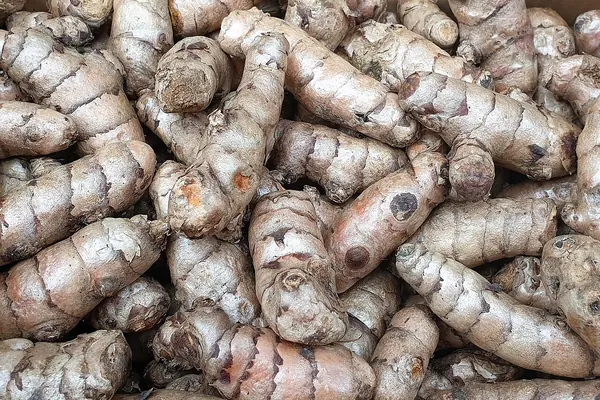
Turmeric
In a 571 mg blend, amount not disclosedThe golden spice root whose main compound, curcumin, is studied for inflammation. Studies usually use hundreds of milligrams or more of concentrated curcumin, which is poorly absorbed; there is no way to tell whether this blend comes close.
Photo: Emőke Dénes / CC BY-SA 4.0, via Wikimedia Commons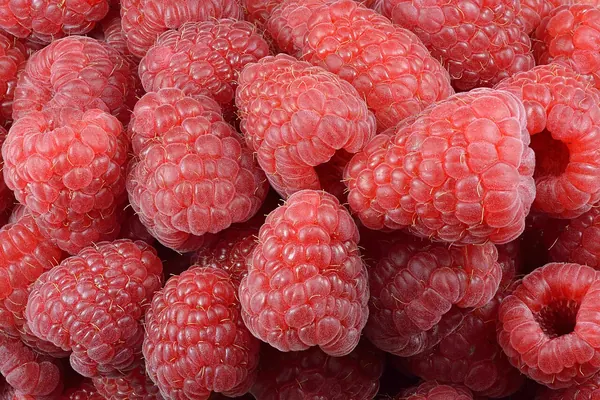
Red raspberry
In a 571 mg blend, amount not disclosedRaspberry fruit or leaf (the label does not say which part) adds small amounts of plant antioxidants. There is no evidence it affects the skin at blend-level doses.
Photo: Ivar Leidus / CC BY-SA 4.0, via Wikimedia Commons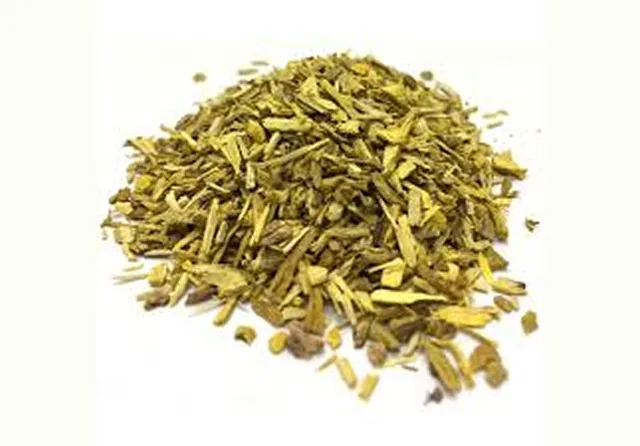
Berberine
In a 571 mg blend, amount not disclosedA bitter yellow compound found in barberry and goldenseal, with real human research for blood sugar and cholesterol at around 500 mg or more a day. Here it shares 571 mg with twelve other ingredients, so the dose is likely much smaller. It is pharmacologically active and interacts with many medicines, including diabetes drugs.
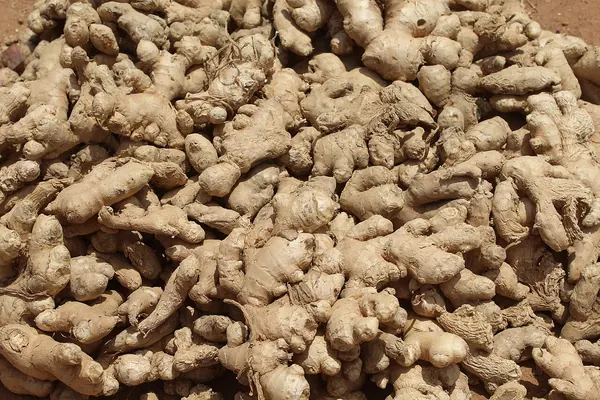
Ginger
In a 571 mg blend, amount not disclosedThe familiar spice root, best studied for nausea at doses around a gram. At an undisclosed share of a blend, it is unlikely to do much here.
Photo: Friday musa / CC BY-SA 4.0, via Wikimedia CommonsThe "liver and skin" idea
The text version of the sales page is written by a "Dr. Ally Ray", described as a hepatologist in Cleveland, and the FAQ says the product "activates the full regeneration of the liver" because "the liver plays a crucial role" in making skin cells. We could not verify the doctor, and the science runs the other way: the liver does many things, but it does not control skin aging. The most important driver of wrinkles, sagging and brown spots is ultraviolet light, which breaks down collagen and elastin over decades. Age, genetics and smoking do the rest.
A healthy liver matters for overall health, and liver disease does cause skin signs such as yellowing and itching. But "cleansing" a healthy liver with herbs has not been shown to change wrinkles.
Check Derma Prime Plus price on the official site →Opens the brand's official website · money-back guarantee
How to take Derma Prime Plus
The label says two capsules once a day, ideally 20 to 30 minutes before a meal, with an 8 oz glass of water; the FAQ suggests mornings. If the zinc upsets your stomach, many people find it easier to take zinc with food, but follow the label unless your doctor says otherwise. Do not exceed two capsules a day, and keep using sunscreen: no supplement replaces it.
How much does Derma Prime Plus cost?
The official order page sells three packages, all with free US shipping. The page and the FAQ state that each order is a one-time payment with no subscription.
 1 bottle30-day supply$69 /bottle$69 · free US shippingCheck availability →Best value
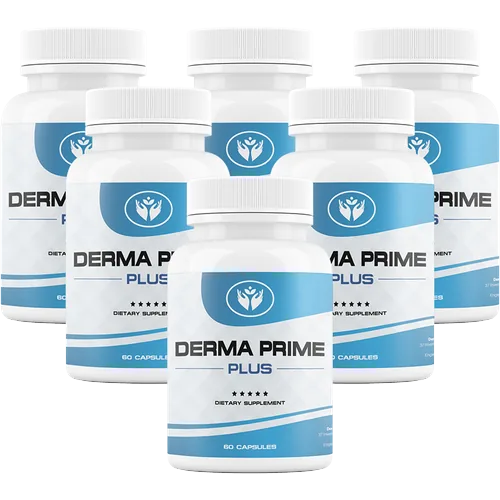 6 bottles180-day supply$49 /bottle$294 · free US shippingCheck availability →
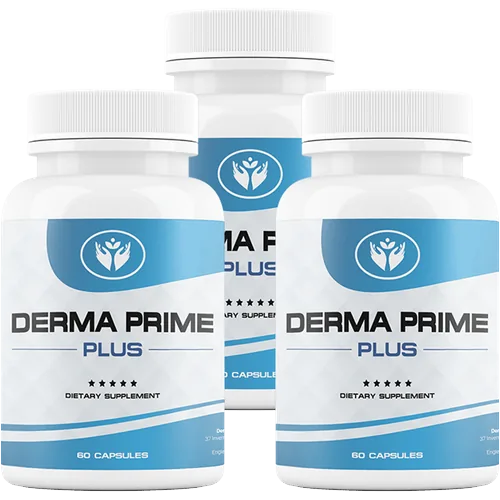 3 bottles90-day supply$59 /bottle$177 · free US shippingCheck availability →
| Package | Supply | Price per bottle | Total | Extras |
|---|---|---|---|---|
| 1 bottle | 30-day supply | $69 | $69 | free US shipping |
| 6 bottles | 180-day supply | $49 | $294 | free US shipping |
| 3 bottles | 90-day supply | $59 | $177 | free US shipping |
Prices as listed on the official order page when we checked. They change from time to time, so the checkout page is the final word.
About shipping: the shipping page lists 5 to 7 working days in the US, and $15.95 with 10 to 15 working days for Canada, the UK, Ireland, Australia and New Zealand. We did not see any bonus products offered with these packages. Check the total on the checkout page before paying.
How the 60-day guarantee works

Every order from the official Derma Prime Plus store is covered by a 60-day money-back guarantee, and it is a one-time payment with no subscription or auto-shipment.
The refund page gives you 60 days from the date your order ships, not from delivery. Email contact@dermaprimeplus-product.com, fill in the return form included with your order, and send all the bottles back to 19655 E 35th Dr #100, Aurora, CO 80011, USA. The sales page says the refund applies even if you used up the bottles. Two things to know:
- You pay return shipping. The page states the company does not cover it.
- Support is by email. Order questions go to BuyGoods; product questions to the brand through a contact form. We found no phone line.
Who should talk to a doctor before taking Derma Prime Plus?
- Anyone taking prescription medicine, especially for diabetes, blood pressure, transplants or heart rhythm: berberine affects blood sugar and how the liver handles many drugs.
- Anyone on warfarin or other blood thinners: alfalfa contains vitamin K, and feverfew, grape seed and turmeric may add to bleeding risk.
- People allergic to ragweed, daisies or marigolds: milk thistle, dandelion, chicory, yarrow, feverfew, burdock and artichoke all belong to that plant family.
- People taking lithium or water pills: dandelion, celery seed and chanca piedra have diuretic effects.
- People who take a multivitamin or another zinc product: watch your total zinc; long-term intake above 40 mg a day can lower copper levels. Zinc can also reduce absorption of some antibiotics.
- People with lupus or another autoimmune disease: alfalfa is usually discouraged.
- Pregnant or breastfeeding women and anyone under 18: the label says to consult a health professional; berberine and feverfew are generally avoided in pregnancy.
Common side effects include nausea or an unpleasant taste from zinc, and mild stomach upset or a laxative effect from the herbs. Stop and get advice if you notice a rash, unusual bruising, dizziness or yellowing of the skin or eyes.
What to realistically expect
If Derma Prime Plus helps your skin, the most likely reason is the zinc, and mainly if your diet was low in it; then you might notice fewer breakouts or faster healing over a couple of months. Do not expect fewer wrinkles or tighter skin. The FAQ itself says supplements take 9 to 12 weeks to show results, which conflicts with the "in days" headline. A fair approach is to take photos in the same light on day one, use daily sunscreen either way, and compare after eight weeks. Because the guarantee runs from the shipping date, decide well before day 60.
Our verdict
Derma Prime Plus is better labeled than most skin supplements and is sold on fair terms: free shipping, a one-time price and a 60-day refund. But its central promise, younger skin through a liver cleanse, is not supported by research, and its sales page makes claims no capsule can keep. The zinc may help skin in some people, the herbs are mostly gentle but come with real interaction risks. If you take it, take it for what it is, a zinc and liver-herb supplement, and put your skin-aging money first into sunscreen and, if you want stronger results, a conversation with a dermatologist.
Check Derma Prime Plus price on the official site →Opens the brand's official website · money-back guarantee
Your doubts, answered honestly
Is this a scam?
What we could check: a full Supplement Facts label with doses for the first ten ingredients, orders handled through BuyGoods, a written 60-day refund policy and a returns address in Aurora, Colorado. What does not hold up: the "Dr. Ally Ray" behind the sales letter could not be verified, and the promise of "10 years off your face in days" is not something any capsule can deliver. It is a real product with an overblown pitch.
Why does it cost $49 to $69 a bottle?
A bottle is a 30-day supply, so you pay roughly a dollar and sixty cents to about two dollars and thirty cents a day, depending on the package. The two ingredients with any real substance, zinc and milk thistle, are sold on their own in single-ingredient supplements that are usually much cheaper. What you pay extra for is the long herbal blend, which is mostly small doses.
Will it work on my wrinkles?
Probably not. Wrinkles and sagging come mainly from sun damage, age and genetics, and no study shows that these herbs make skin look younger. If anything changes, it is more likely fewer breakouts or faster healing from the zinc, mainly if your diet was low in it, over a couple of months. The brand's own FAQ talks about 9 to 12 weeks. If your goal is fewer lines, daily sunscreen and a dermatologist will do more.
Is it safe? Can I take it with my medication?
Talk to your doctor first if you take diabetes, blood pressure, heart rhythm or transplant medicine (berberine affects blood sugar and how the liver handles drugs), warfarin or other blood thinners (alfalfa, feverfew, grape seed, turmeric), lithium or water pills (dandelion, celery seed, chanca piedra), or antibiotics that zinc can block. People allergic to ragweed, people with lupus, and pregnant or breastfeeding women should also ask first.
What if it does not work?
The guarantee runs 60 days from the date your order ships, not from delivery. Email the brand, fill in the return form, and send all bottles back to Aurora, Colorado; the sales page says used bottles count. You pay return shipping, and support is by email only, so start the process well before day 60.
Why not just buy it on Amazon?
The guarantee in this review covers orders from the official store. We cannot vouch for marketplace listings, and a bottle bought from another seller would not be covered by that refund policy.
Do you get paid if I buy?
Yes, we may earn a commission when you order through our buttons. It costs you nothing extra, it does not change what we write, and the buttons go straight to the brand's official order page.
Frequently asked questions
What are the ingredients in Derma Prime Plus?
Per two capsules: zinc 30 mg, milk thistle seed 200 mg, and 50 mg each of beet root, artichoke leaf, chanca piedra, dandelion root, chicory root, yarrow flowers and jujube seed, plus a 571 mg blend of celery seed, alfalfa, burdock, yellow dock, methionine, grape seed, L-cystine, feverfew, choline, turmeric, red raspberry, berberine and ginger.
How do you take Derma Prime Plus?
The label says two capsules once a day, ideally 20 to 30 minutes before a meal with an 8 oz glass of water. The FAQ suggests taking them in the morning.
Is Derma Prime Plus a cream?
No. Despite a headline about a "potion" that "rubs" years off your face, it is a capsule you swallow. Each bottle has 60 capsules, a 30-day supply.
How much does Derma Prime Plus cost?
1 bottle for $69, 3 bottles for $177 ($59 each) or 6 bottles for $294 ($49 each), all with free US shipping.
Does Derma Prime Plus have side effects?
Zinc can cause nausea, especially on an empty stomach. Several herbs can interact with blood thinners, diabetes drugs and diuretics, and people with ragweed allergy may react to the daisy-family plants. Check with your doctor if you take medicine.
Who pays return shipping on Derma Prime Plus?
The customer. The refund page says to send all bottles back to Aurora, Colorado, and that return shipping costs are not covered.
Related reading
 Legit or scam?
Is Derma Prime Plus legit or a scam?
Derma Prime Plus has a real checkout, a label with doses and a Colorado returns address. It also has a pitch that promises far too much. Here is how to tell the difference before you pay.
Read more → Review
Does Derma Prime Plus work?
Derma Prime Plus promises younger skin through a liver cleanse. Here is what its ingredients have actually been shown to do, how it compares with proven skin care, and what to expect.
Read more →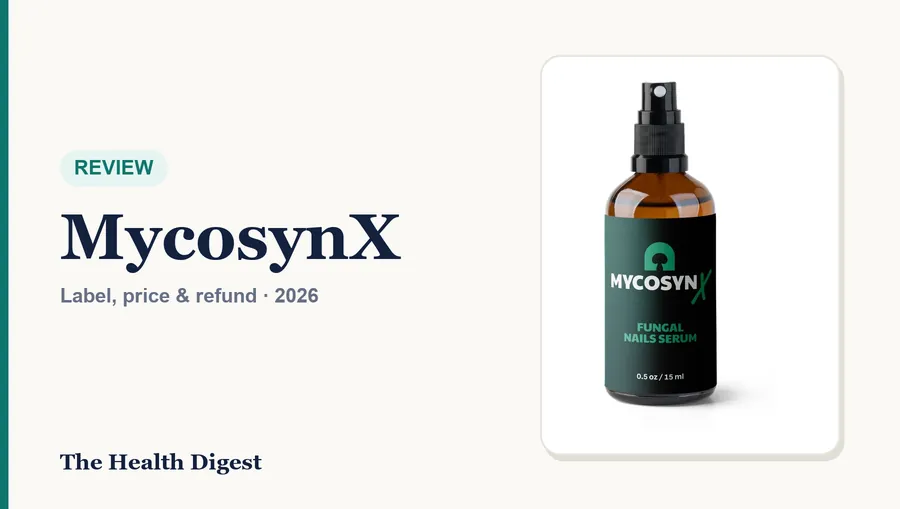 Review
MycosynX review
MycosynX is not something you swallow. It is a 0.5 oz serum you brush onto the nails and cuticles. Here is what the label lists, how it is meant to be used, what it costs and how the refund works.
Read more →
Buy it from the official store so the guarantee applies, and keep your order email until you decide.
Check Derma Prime Plus price on the official site →Opens the brand's official website · money-back guaranteeSources
- Derma Prime Plus official order page, text presentation, contact/FAQ page, references page with label image, refund policy and shipping policy (thedermaprimeplus.com), accessed October 2026
- MedlinePlus: Skin Aging. medlineplus.gov/skinaging.html
- NCCIH: Milk Thistle. nccih.nih.gov/health/milk-thistle
- NIH Office of Dietary Supplements: Zinc, Health Professional Fact Sheet. ods.od.nih.gov
- NCCIH: Dandelion. nccih.nih.gov/health/dandelion
- NCCIH: Feverfew. nccih.nih.gov/health/feverfew
- NCCIH: Turmeric. nccih.nih.gov/health/turmeric
- MedlinePlus: Sun Exposure. medlineplus.gov/sunexposure.html